

🎸 The incredible return of the Beatles’ lost bass: “Paul McCartney called me — that’s when I knew we’d found it”
May 10, 2026, 9:15 a.m.
The story of one of the world’s most famous missing instruments resurfaced in December 2019, when Höfner shared its remarkable history.
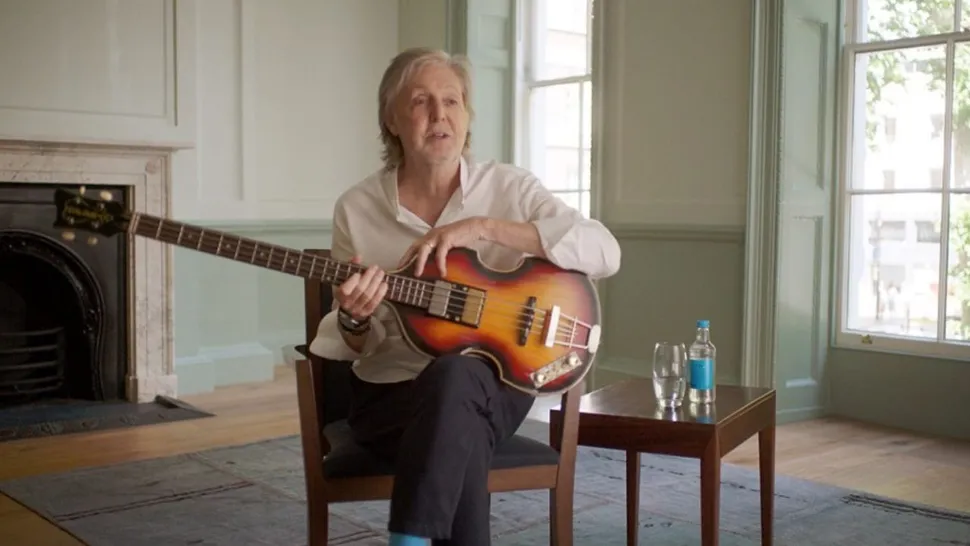
Back in 1961, a young musician walked into a Hamburg shop and bought a Höfner 500/1 Violin Bass. That instrument would go on to shape music history — used to record early hits and albums by The Beatles, including sessions at Abbey Road.
That young man, of course, was Paul McCartney.
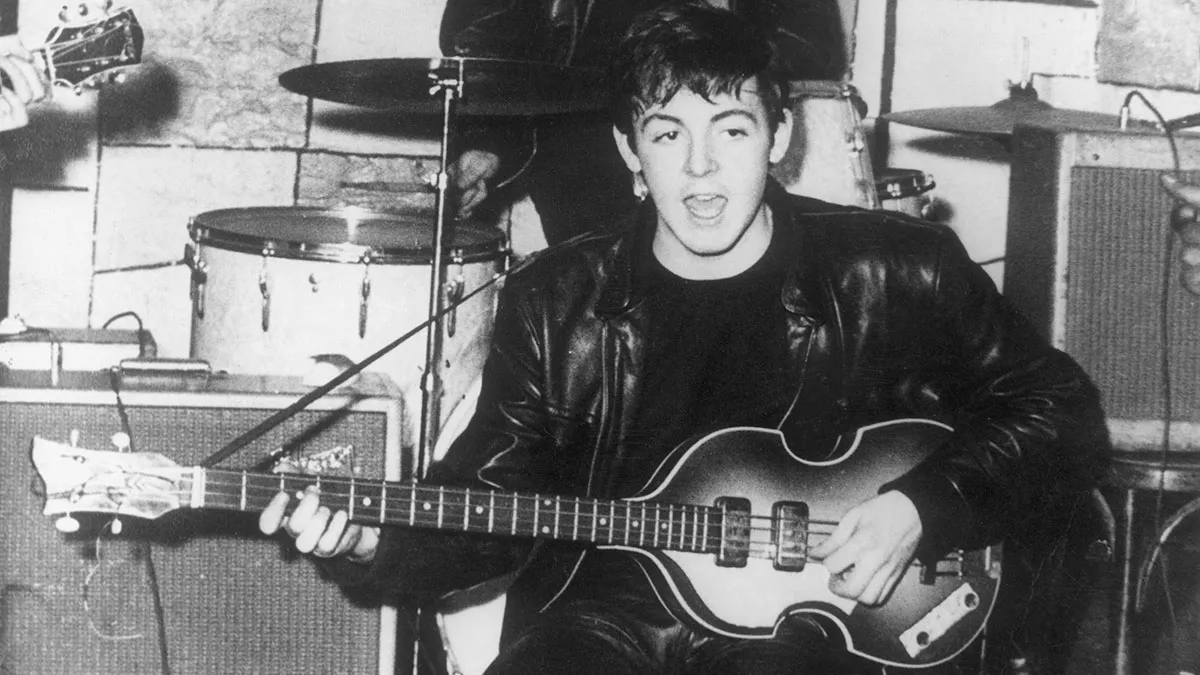
By 1963, the bass had been replaced as his main instrument, though it reappeared during the Let It Be sessions in 1969. After that, it vanished completely.
Described as “the most important missing guitar in the world,” this bass featured on iconic tracks like Please Please Me and She Loves You — and held deep sentimental value.
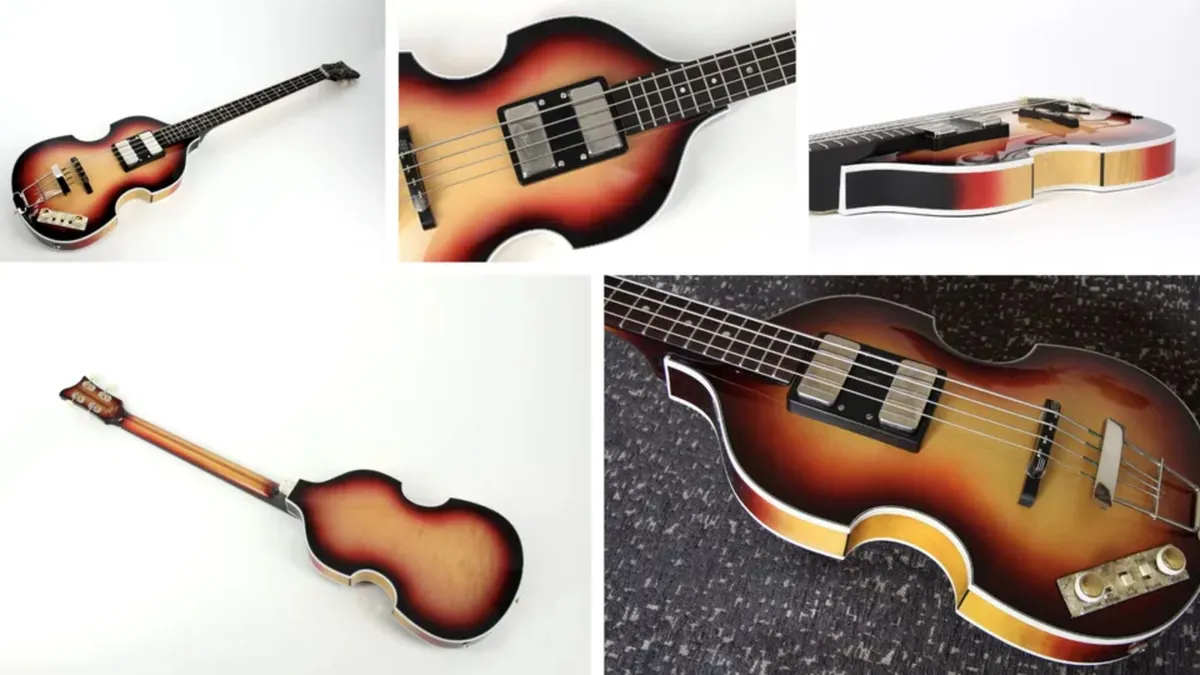
The search begins
The mission to recover it was led by Höfner’s Nick Wass, who launched the #tracethebass campaign.
“I honestly thought we had maybe a 5% chance,” Wass admitted.
“There had been no real leads for decades.”
Rumors ranged wildly — including connections to John McVie of Fleetwood Mac — but nothing solid emerged.
Even Paul McCartney reflected:
“It just disappeared… but there had to be an answer.”
The breakthrough
A global media push changed everything. Tips flooded in.
A key moment came when a former roadie confirmed the exact date of the theft: October 10, 1972.
Then an overlooked lead resurfaced — a story involving a London pub. When details aligned, the investigation accelerated.
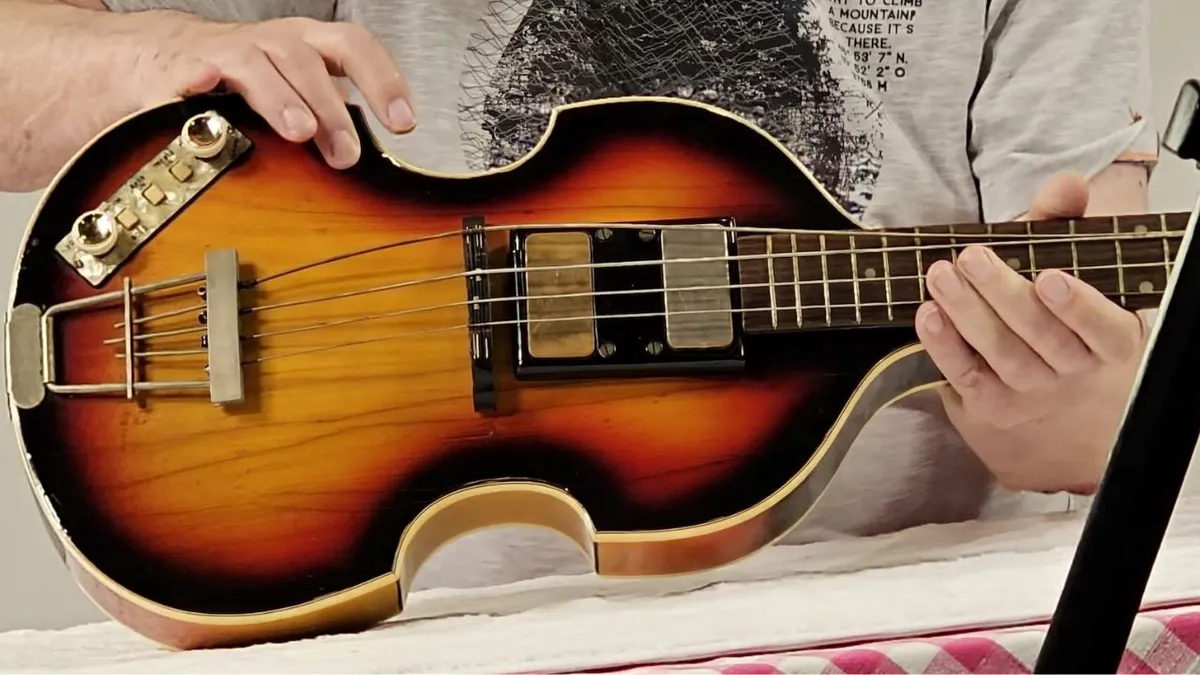
The hidden truth
The bass had been:
- Stolen by a man named Steve Glenister’s father
- Given to pub landlord Ronald Guest
- Passed through the family for decades
Eventually, it ended up in an attic — unnoticed.
It was Catherine Murphy who, after seeing news reports, checked the attic and realized what they might have.
Photos were sent to McCartney’s team. He quickly confirmed:
“Yes, that’s it.”
Incredibly, McCartney knew before Wass did.
“The phone rang one evening. It was Paul McCartney. That’s when I knew — we had found it.”
Condition and restoration
The bass had suffered:
- Incorrect restringing
- Structural stress on the neck
- Damaged hardware and electronics
Restoration aimed to return it as close as possible to original condition, including period-correct tuners.
Priceless legacy
Though once casually estimated at $10 million, Wass insists:
“It’s beyond value. Like the Mona Lisa — it will never be sold.”
A lifelong bond
For Paul McCartney, the Höfner bass is more than an instrument — it’s part of his identity.
Though absent during the Wings era, he returned to it decades later — and has played it ever since.

