

Tom Araya of Slayer: “A lot of Slayer riffs just aren’t built for bass players” — the story behind a metal icon
May 9, 2026, 9:15 a.m.
There are metal legends—and then there are true metal gods: artists who push their sound far beyond the edge into uncharted darkness. When Slayer formed in Los Angeles in 1981, their mission was clear: take the energy of the New Wave of British Heavy Metal and drive it to its absolute extreme.
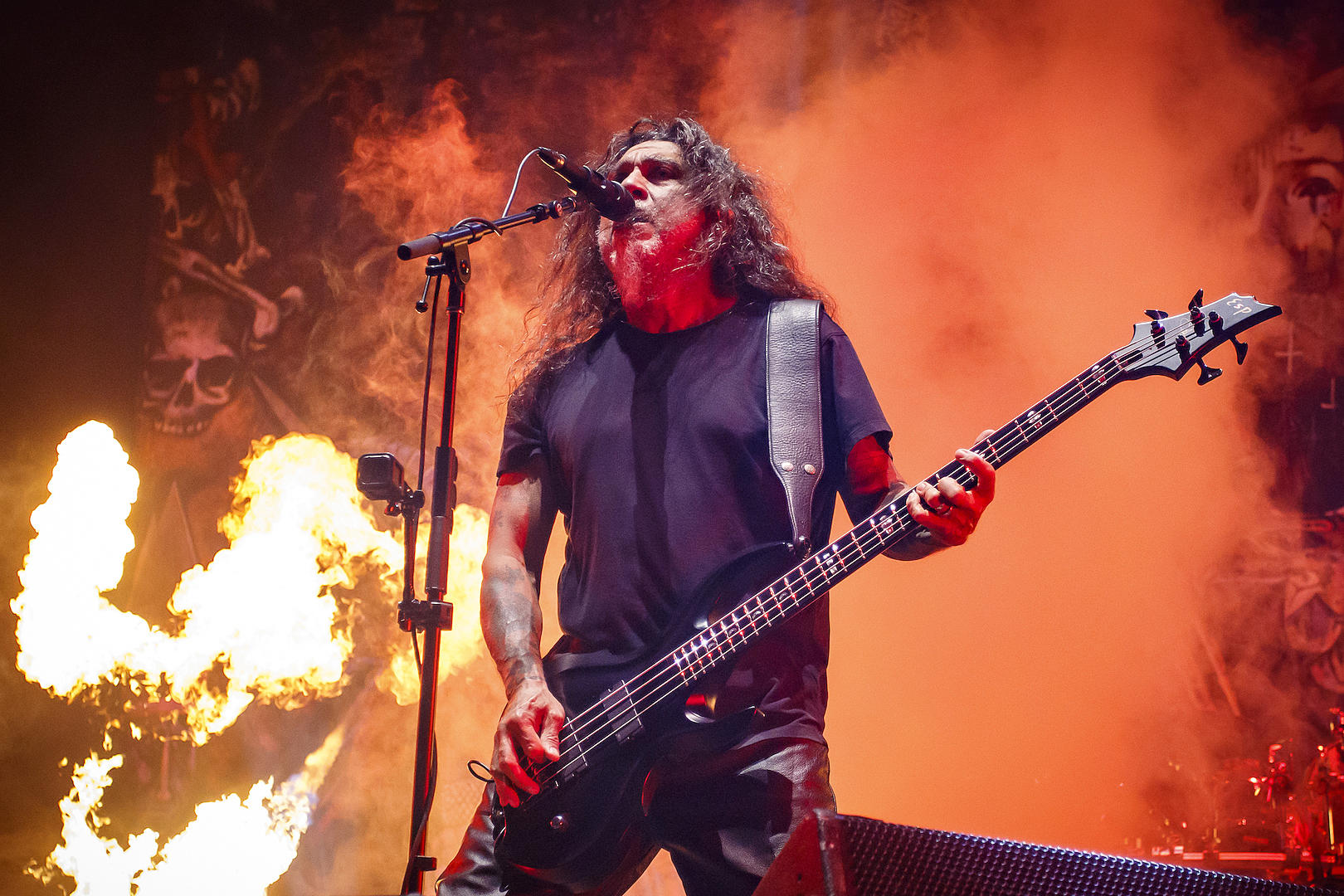
Today, they stand as titans of the genre, with a global following built on crushing riffs, relentless rhythms, and dark lyrical themes.
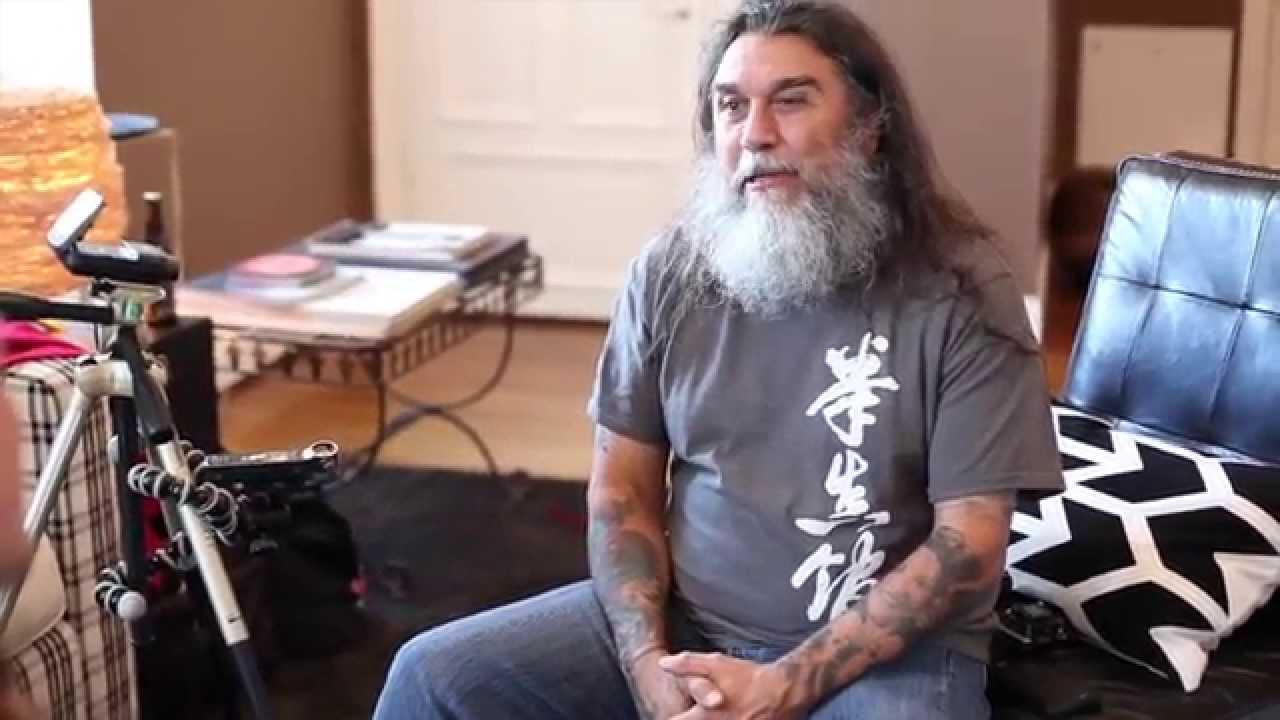
Tom Araya, the band’s bassist and vocalist, was born in 1961 in Viña del Mar, Chile, before moving with his family to California in the mid-’60s. His brother introduced him to music, and the two began jamming on inexpensive instruments—a budget electric guitar and a makeshift four-string acoustic.
“My first real bass was a Höfner-style copy like Paul McCartney’s, which I picked up at a pawn shop,” Araya once shared. “I worked in my school’s wood shop for two summers to afford a Precision bass afterward.”
His early influences included The Beatles, The Rolling Stones, and ZZ Top, while learning songs from Deep Purple helped him understand the fretboard and musical structure.
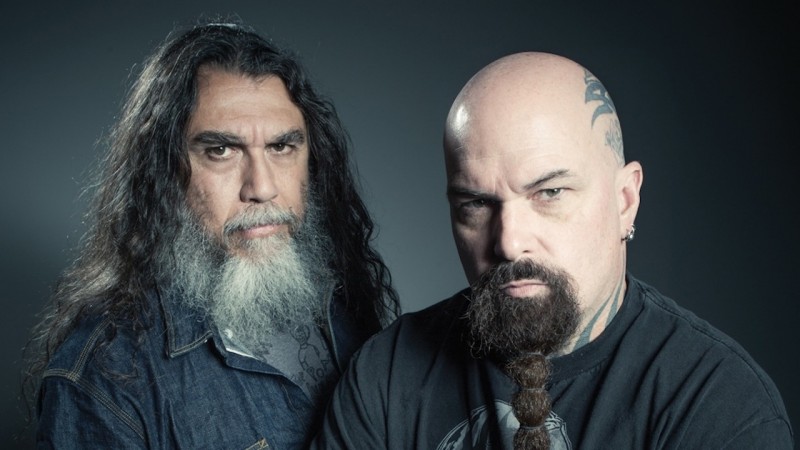
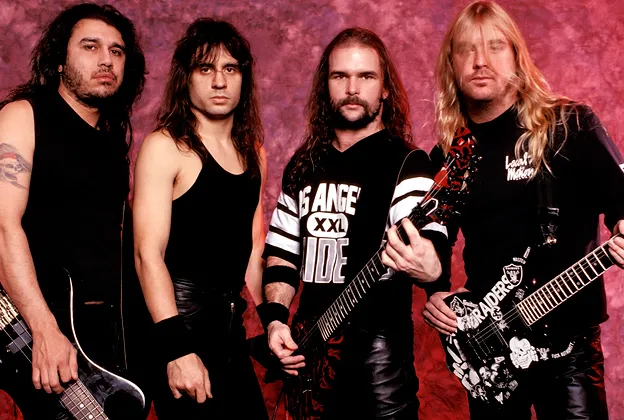
In his late teens, Araya met Kerry King, which eventually led to the formation of Slayer, alongside Jeff Hanneman and Dave Lombardo. By 1983, they had released their debut album, funded largely by Araya himself.
Albums like Reign In Blood, South Of Heaven, and Seasons In The Abyss solidified their place in metal history.
“When we heard Reign In Blood for the first time, we couldn’t believe it,” Araya recalls. “That’s when I started using a pick for more attack and clarity. Producer Rick Rubin really helped refine our sound.”
Despite the band’s aggressive complexity, Araya has always preferred simplicity in gear: he eventually settled on ESP basses and relies heavily on a Marshall Lemmy Kilmister Signature Super Bass amp for his tone.

“That amp gives me most of my sound—clean, punchy, with a kind of piano-like low-end attack.”
Interestingly, Araya remains modest about his playing: “I don’t see myself as a virtuoso. I sing and play at the same time, so sometimes I simplify parts.”
He openly admits that some Slayer riffs are too dense for bass: “There are just too many notes. I adjust parts so they groove better with the drums—that’s what matters most.”
While thrash metal has seen incredible bassists like Cliff Burton (Metallica) and David Ellefson (Megadeth), Araya never focused on competition: “It’s always been about the band, not individual players.”
Outside metal, his tastes are surprisingly diverse—from funk to country. He praises Paul Simon, Sting, and artists like Randy Travis and George Strait.
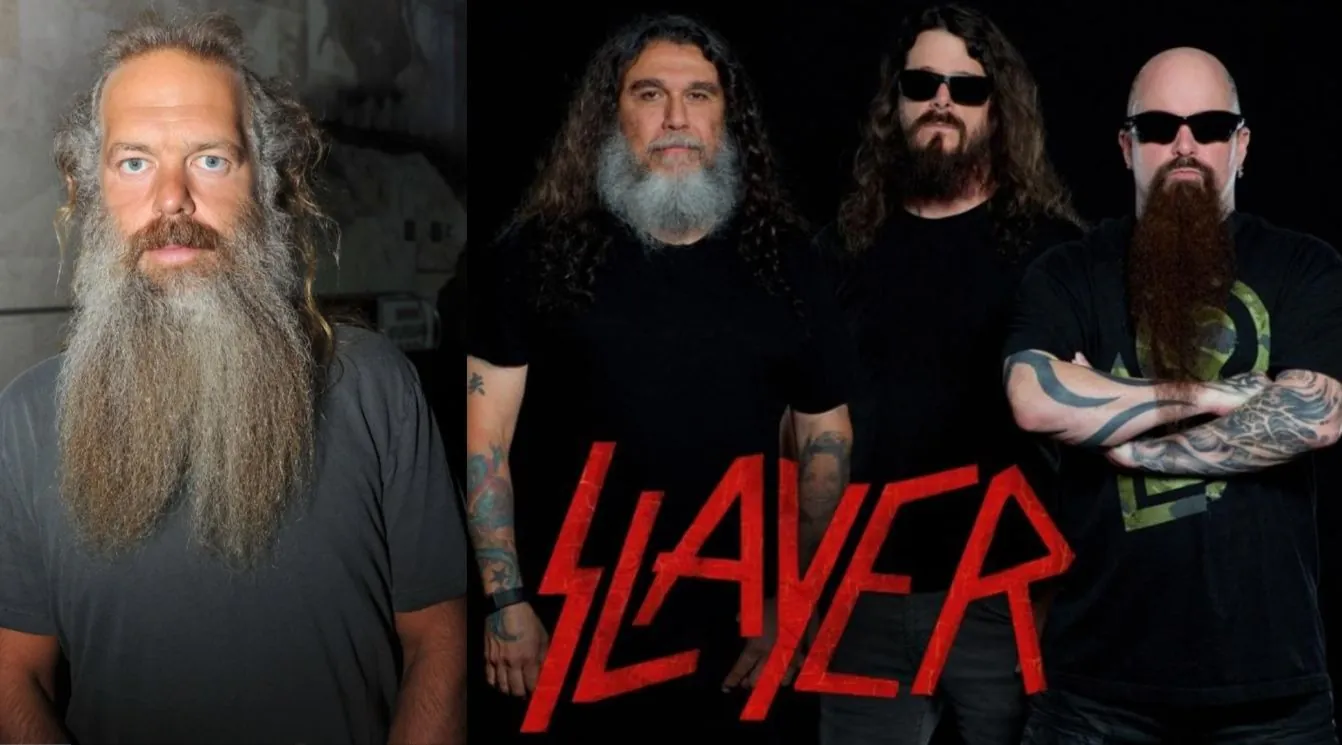
When it comes to newer music, one band stood out: System of a Down. “When I first heard them through Rick Rubin, it felt completely fresh and different.”
Still, Araya believes Slayer’s identity is unmatched: “We’ve been around so long that our sound is unmistakable. People instantly know—it’s Slayer.”

