

The John Mayer–Fender Split That Changed the Guitar World: How the Silver Sky Became Stratocaster’s Greatest Modern Rival
June 11, 2026, 9 a.m.
When discussions turn to guitarists most closely associated with a particular model, John Mayer is almost always mentioned among the elite players connected with the Fender Stratocaster. Ironically, though, he rarely performs on a traditional Stratocaster these days.

Instead, his primary instrument has become the PRS Silver Sky, a signature model developed alongside PRS after Mayer’s widely publicized departure from Fender in 2014. The move came after he sought to create a more refined and modern S-style guitar and felt that his vision was not receiving the level of enthusiasm he hoped for within Fender.
The decision became one of the most talked-about developments in the guitar industry.

John Mayer’s exit from Fender sent shockwaves throughout the music world, and the consequences of that move are still being felt today.
Not only did Fender lose one of its most recognizable artist partners, but the departure also helped pave the way for what many players now consider the Stratocaster’s most significant rival. The story has become even more notable following Fender’s efforts to challenge the continued production of the Silver Sky through legal channels.
For many fans, Mayer’s move to PRS came as a surprise. For Mayer himself, however, it was the natural outcome of a creative journey that had already begun while he was still working with Fender.
Long before leaving the company, he had started imagining a guitar that would retain the essence of a Stratocaster while introducing meaningful refinements and improvements. According to Mayer, Fender showed little interest in pursuing that concept.
Speaking to Guitar World in 2018 during the launch of the Silver Sky, Mayer explained:
“I tried to do something like this with Fender, but I couldn’t generate enough enthusiasm inside the company for the vision I had. I’m not upset about that. Nobody is required to be excited about one of my ideas.”

In a separate conversation with Jeff Ross, Mayer elaborated:
“I wanted to be somewhere that would embrace my ideas. My thinking was basically, ‘Let’s refresh the electric guitar.’ The electric guitar still carries so much of the influence of 1950s and 1960s car culture and surf culture. Sixty years later, we’re still celebrating and reproducing those same themes.”
Mayer’s desire to move forward became even stronger after the departure of Mike Eldred, the respected Custom Shop director at Fender with whom he had built a particularly productive relationship.
Eldred served as a direct line between Mayer and Fender’s custom development process. Once he left the company, that dynamic changed dramatically.
Reflecting on the situation during his discussion with Ross, Mayer said:
“When Mike Eldred left Fender, that was really the beginning of the end of an era where artists had people inside the company they could genuinely collaborate with. You’d call and say, ‘Can I get one with a rosewood neck?’ and the answer might be, ‘Our records show you’ve already received two this year, and your contract only allows for two.’ Mike, on the other hand, would send something over and we’d create something together from there.”
Mayer repeatedly emphasized that he was never interested in creating just another signature model.
“I wasn’t looking to make a signature guitar. I wanted to go deeper than that and explore the actual DNA of the instrument.”
After parting ways with Fender, Mayer needed a partner who shared his enthusiasm and was willing to help transform those ideas into reality. That partner turned out to be Paul Reed Smith.
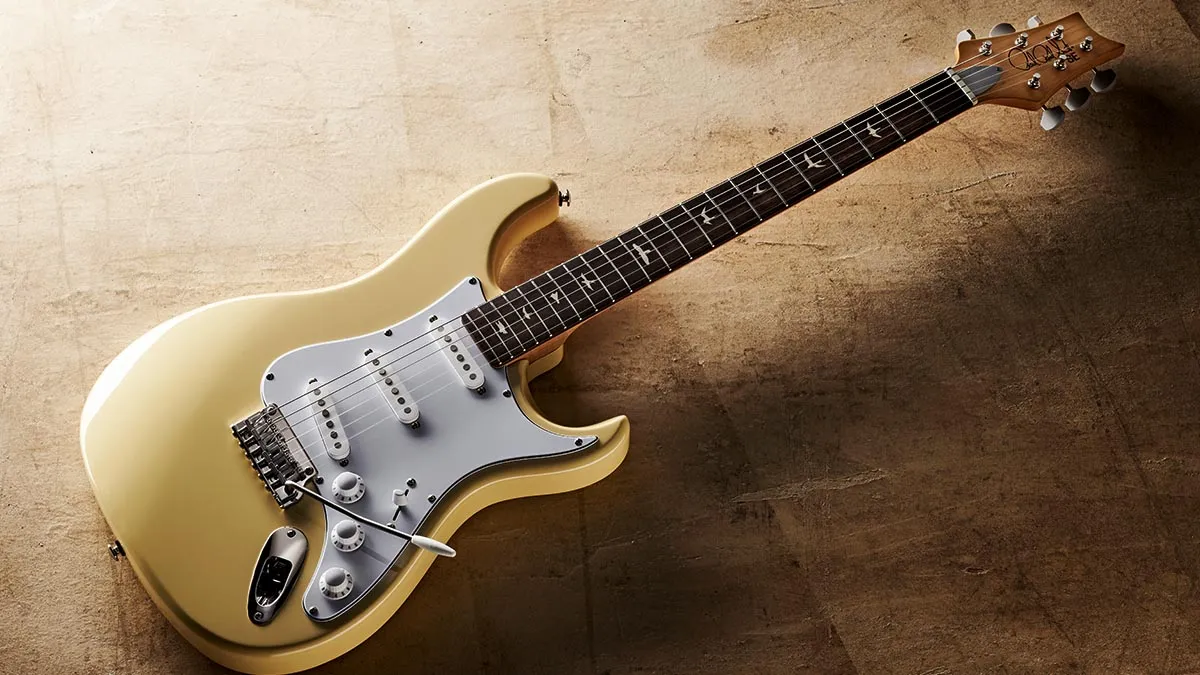
At PRS, Mayer discovered an environment where he could move beyond the conventional artist-signature formula and participate directly in the creation of a new instrument from the ground up.
Speaking with Guitar World, he explained:
“I wanted to create a series of instruments that reflected my perspective. I wanted to be able to sit beside Paul and gradually bring ideas to life that would eventually tell a larger story.”
That close working relationship became one of the defining aspects of the entire project.
Mayer frequently noted that having direct access to the founder of the company made all the difference.
During an Instagram livestream, he remarked:
“I’m not criticizing anyone. It’s simply the way things worked out. At PRS, I can call the person whose name is on the headstock, and together we can build things.”
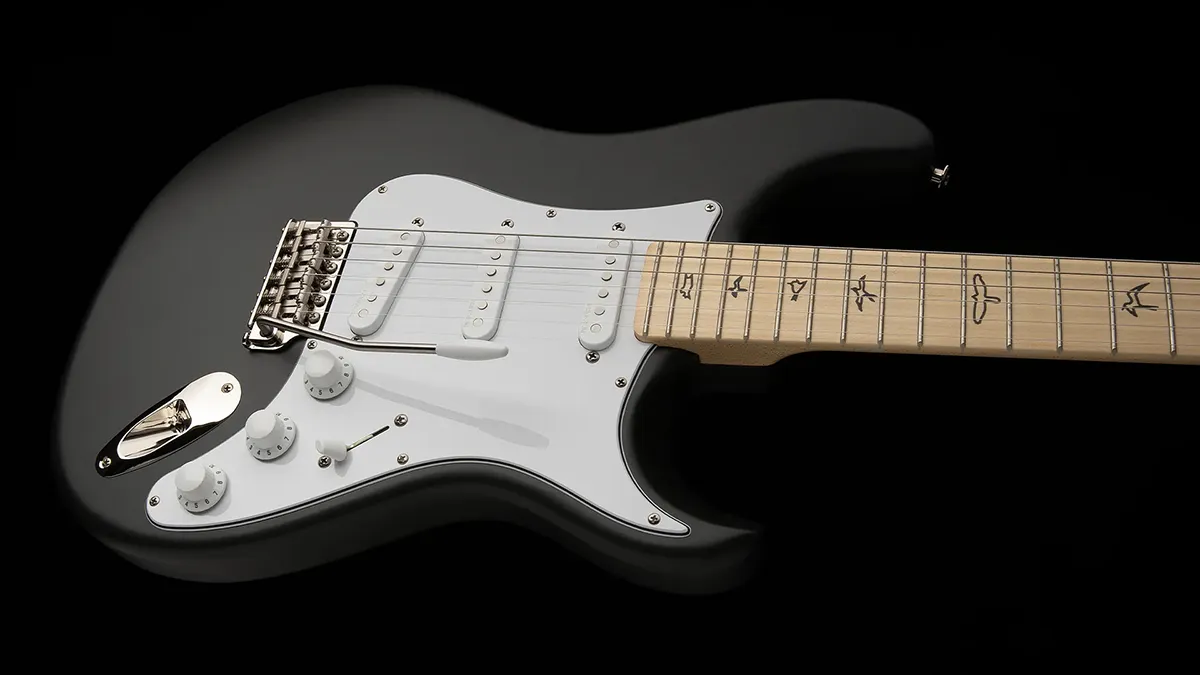
After roughly two years of development, PRS Silver Sky was officially unveiled.
The guitar drew inspiration from Mayer’s cherished 1963 and 1964 Stratocasters, and the internet reacted immediately.
Early criticism was widespread. Many observers dismissed the model as an expensive Stratocaster copy and argued that it lacked originality.
That perception changed dramatically once guitarists actually began spending time with the instrument.
The turning point became even more pronounced when PRS introduced the more affordable SE Silver Sky, making the design accessible to a much larger audience.
Reflecting on the guitar’s journey in a 2025 Guitar World interview, after the publication named it one of the most important pieces of gear of the 21st century, Mayer said:
“I always knew the Silver Sky would need time to find its place in the world. Speaking carefully, it now feels like it has become widely accepted.”
Sales figures strongly support that assessment.
Reverb’s annual reports have repeatedly ranked the SE Silver Sky among the best-selling electric guitars in recent years. In fact, it topped the platform’s rankings in both 2022 and 2023 and continued to compete closely with numerous Fender Stratocaster models afterward.
Over time, the Silver Sky lineup expanded with additional finishes, maple and rosewood fingerboard options, and left-handed versions.
Today, many players view it as one of the strongest mainstream S-style guitars available anywhere.
Naturally, comparisons with the Stratocaster have never gone away. Yet Mayer has never attempted to avoid them.
Speaking to Guitar World in 2018, he explained:
“If you ask someone to draw a guitar, nine out of ten people will draw a Stratocaster. So when Paul and I started working together, I felt it would be easier for people to understand the concept if the instrument retained a Strat-inspired body shape.”
During the same Instagram broadcast, Mayer added:
“This guitar is based on the Strat. I’m completely open about that. I played a Stratocaster for so much of my career that it simply didn’t make sense for me to look down and see a completely different shape.”
Despite those similarities, the Silver Sky is far from a direct copy.
The guitar incorporates revised body contours, a distinctive 3+3 headstock arrangement, refined hardware, signature bird inlays, and numerous subtle design changes.
In many respects, it became the exact elevated S-style instrument Mayer had originally hoped to create while working with Fender.
At the same time, he never approached the project with the goal of replacing or surpassing the Stratocaster.
As Mayer explained:
“I want people to understand that I embrace the Fender legacy. I love seeing someone play a Silver Sky through a Fender amplifier. This guitar was designed to coexist with Fender amplifiers and Fender guitars.”
That spirit of coexistence, however, has faced new challenges in recent years.
Following Fender’s legal action against PRS in May 2026, including a cease-and-desist request related to Silver Sky production, it became clear that not everyone within the broader Fender organization viewed the relationship in the same way.
The long-term impact of Mayer’s move to PRS is difficult to overstate.
Had Mike Eldred remained at Fender, and had the company embraced Mayer’s proposal for a modernized Stratocaster, would the Silver Sky ever have existed?
And if such a remarkably successful S-style guitar had never emerged, would Fender feel the same urgency to defend the Stratocaster design so aggressively today?
There are no definitive answers.
What is clear, however, is that PRS Silver Sky has already secured its place as one of the most influential electric guitars of the modern era and continues to shape both the marketplace and the ongoing evolution of the electric guitar itself.

