

Former Ozzy Osbourne Guitarist Gus G: “You Don’t Even Need a Record Label Anymore — YouTube and TikTok Can Take Your Music World
June 10, 2026, 9 a.m.
Has landing a record deal lost the importance it once had?
For many decades, signing with a record label was widely considered the defining moment when an aspiring musician had finally “made it.” A record contract often meant greater financial stability, album advances, professional promotion, and access to industry networks capable of bringing an artist’s music to a much larger audience.
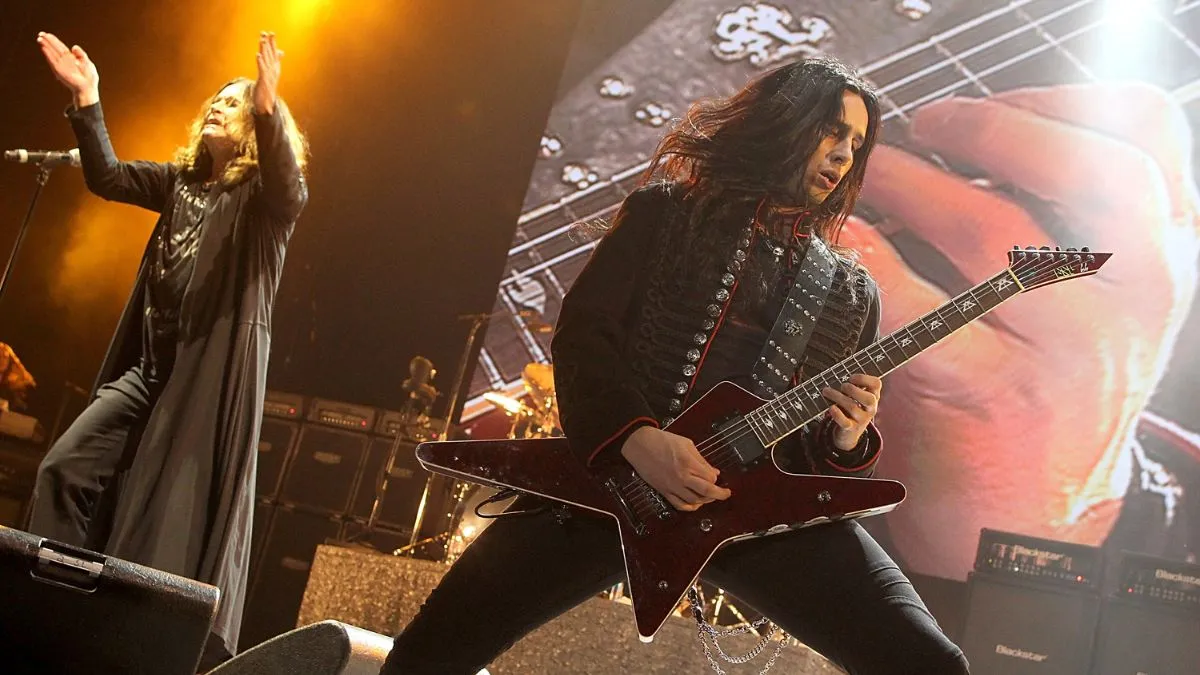
Today, however, the music industry looks very different.
The emergence of platforms such as YouTube, TikTok, and Instagram has made it possible for musicians to build massive audiences independently, without relying on traditional record labels to market their work.
At the same time, this accessibility has created a new challenge: competition. Because more artists than ever have access to global audiences, standing out can be just as difficult as it was in previous decades—albeit for entirely different reasons.
Record labels still play an important role and can provide significant advantages when the right deal is in place. Yet many established artists are increasingly questioning whether signing to a label is even necessary in the modern era.
Recently, Avenged Sevenfold, one of the biggest names in contemporary metal, announced that the band had become fully independent after reacquiring the masters and rights to their 2016 album The Stage from Capitol Records.
The band’s frontman, M. Shadows, has repeatedly expressed skepticism about the relevance of traditional labels in today’s music business. In 2024, he famously remarked:
“So you're going to take 24 cents out of every dollar we earn, and the best you can offer is some manufactured viral TikTok moment?”
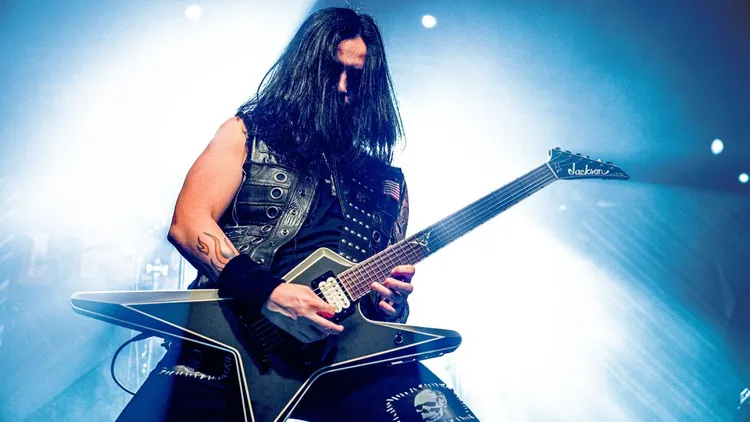
It appears that former Ozzy Osbourne guitarist Gus G shares a similar perspective.
Speaking in a recent interview with Blabbermouth, the guitarist reflected on how dramatically the industry has evolved since the beginning of his own career.
“When people ask me what advice I would give someone who wants to build a career in music, I tell them that everything is different now.
When I was getting started, we recorded demos in professional studios, paid for the sessions ourselves, put the recordings into envelopes, and mailed them to record labels, hoping someone would eventually call us back.
Today, things don’t work that way. You don’t even need a label anymore. You have incredible tools available to you, like YouTube. Through platforms like that, you can reach audiences everywhere. The same goes for social media—Instagram, TikTok, and many other channels.”
According to Gus G, the relationship between artists and labels has effectively reversed. Instead of discovering unknown musicians and building their careers, labels are now seeking out artists who have already established their own audiences.
“Now it works the other way around. Labels approach you once you already have a global fanbase and you’ve created substantial online momentum.
I watch a lot of guitar players and content creators on YouTube, and many of them aren’t particularly focused on the live-performance side of the business.
Some of those guys don’t even need to tour. They may never experience what that lifestyle is like. Perhaps they don’t have to think about it because they generate income through views, sponsorships, and online content. That’s the landscape we live in today. At least, that’s how I see it.”
Even though he recognizes how much the industry has changed, Gus G believes there is still no true substitute for performing live and earning experience on the road.
“Everything has shifted and evolved. Still, I appreciate the fact that I come from a more traditional school of thought.
I continue to believe in traveling from city to city, playing local venues, and performing for people who genuinely want to hear you.
That’s something I strongly believe in.”

