

Fender Breaks Silence on Stratocaster Dispute: CEO Says the Company Isn’t Suing Anyone, But Questions Remain
June 30, 2026, 9 a.m.
After several weeks of heated debate surrounding cease-and-desist letters issued by Fender over what the company considers unauthorized use of the iconic Stratocaster body design, CEO Edward “Bud” Cole has stepped forward to explain the company’s position during a presentation for dealers.
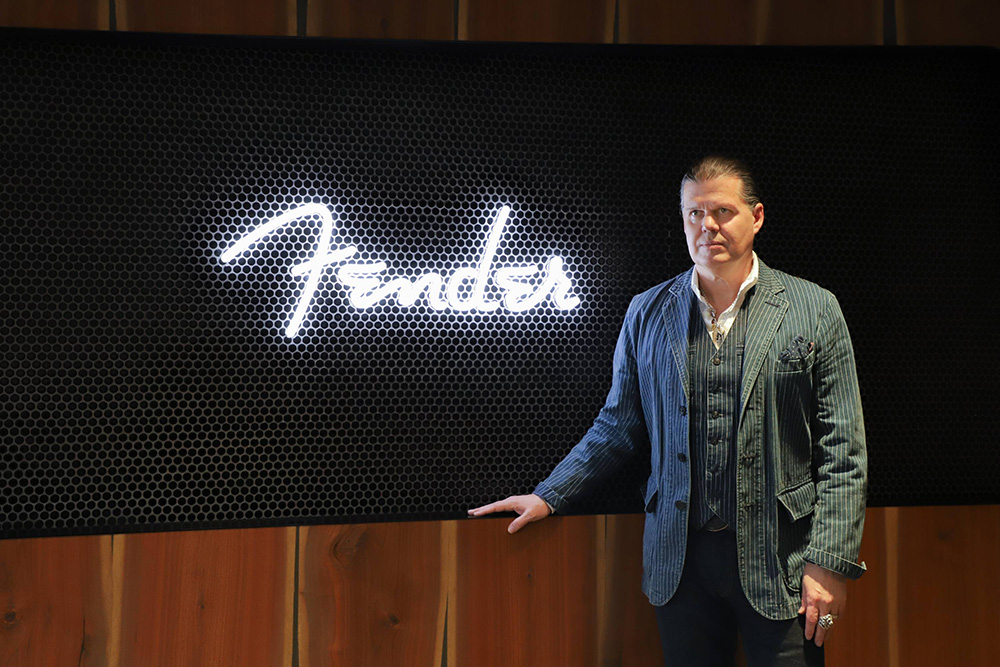
The remarks were delivered at a dealer-focused Fender event. Footage of the speech was later uploaded to YouTube by California-based music retailer Bananas At Large and subsequently gained wider attention through commentary videos released by Phillip McKnight and Rhett Shull.
At the beginning of his address, Cole attempted to calm concerns about potential legal action.
“First and foremost, Fender is not suing anybody,” he told the audience.
Addressing the cease-and-desist notices that several companies reportedly received, he explained that the company’s actions were not intended as lawsuits but rather as direct communication with a limited number of manufacturers.
According to Cole, Fender had reached out in what he described as a thoughtful and respectful manner to a handful of brands whose instruments allegedly come extremely close to duplicating the legendary Fender Stratocaster design.
The CEO then expanded on what the company considers problematic when it comes to guitar designs. In particular, he challenged the commonly used marketing terminology associated with double-cutaway guitars.
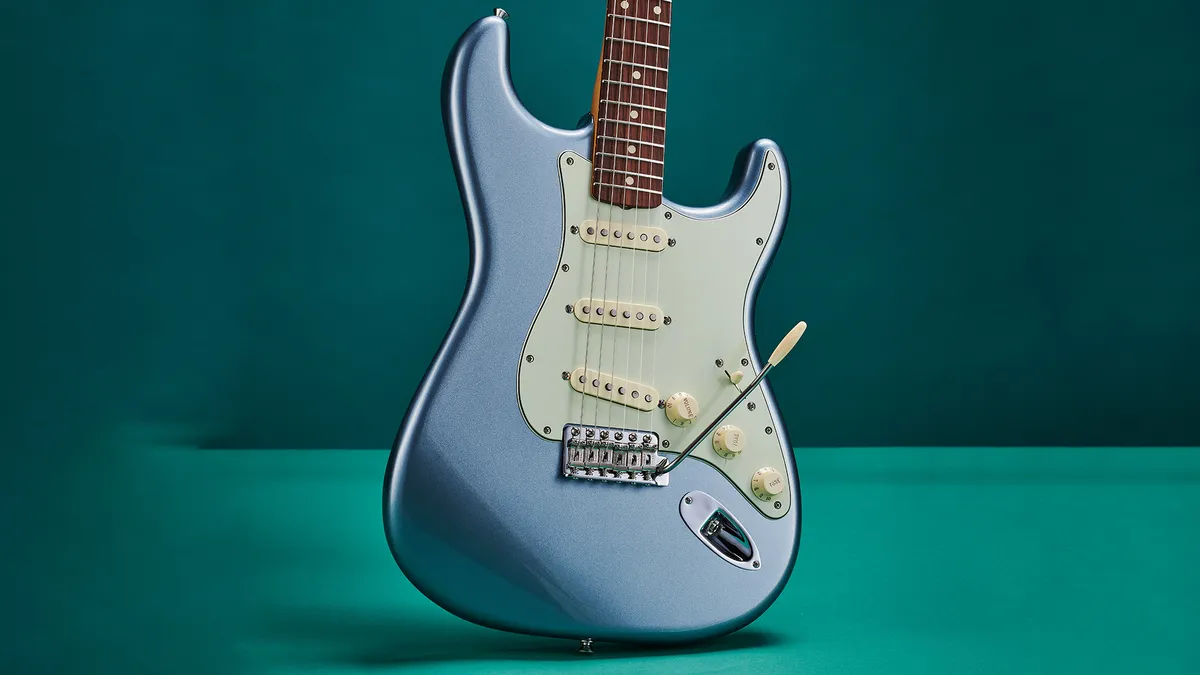
“We’re specifically talking about the Stratocaster, because that is really what this discussion is about,” Cole explained. “Referring to these instruments simply as ‘S-style’ or ‘S-shape’ guitars diminishes and washes away the enormous contribution that Leo Fender and his team made to the entire musical instrument industry. Many of us have built our careers and much of this industry’s success on that foundation.”
During the broader presentation, Cole also addressed claims circulating online that recent actions by Fender were driven by private-equity ownership.
He argued that those assumptions are inaccurate and reassured dealers that the issue primarily concerns the European market, meaning the impact on retailers selling American-made brands should be more limited.
However, critics continue to point out an important distinction. While Fender does not currently appear to be actively pursuing lawsuits over the matter, the cease-and-desist letters themselves reportedly include references to potential legal action should the requested changes not be made.
Furthermore, although the notices focus on products sold within the European Union, they have also affected U.S.-based manufacturers, including PRS.
It is clear that Cole’s speech was intended to reduce some of the backlash that has surrounded Fender since LsL publicly disclosed receiving one of the company’s letters.
Yet many observers within the guitar community remain unconvinced.
Rhett Shull, for example, described the CEO’s comments as “insulting” and challenged the notion that the original actions could reasonably be characterized as thoughtful or respectful.
Phillip McKnight expressed similar concerns. He went even further, suggesting that Cole’s description of the letters was misleading and did not accurately reflect their nature.
As debate continues—particularly across Fender’s own social media channels—the long-term consequences for the guitar industry remain uncertain.
To date, only LsL and PRS have publicly confirmed receiving cease-and-desist notices. However, reports indicate that at least one additional major international guitar manufacturer, whose identity remains confidential, has also received a letter and has already rejected Fender’s demands through legal counsel.
Meanwhile, representatives of PRS told The Wall Street Journal that the company disagrees with Fender’s interpretation of the situation. Whether that disagreement eventually develops into a courtroom battle remains an open question.

