Billy Idol's rebellion, Phil Collins' tears and the invasion of Rick Rubin clones: how the craziest and loudest Rock and Roll Hall of Fame ceremony of 2026 went down!
Chris Rock took a hard swipe at Diddy, Jack Black toasted the absence of Iron Maiden, and Gwen Stefani sang a duet with her teenage idol — the induction ceremony of the 2026 Rock and Roll Hall of Fame turned into a grandiose, generational-line-blurring rock'n'roll chaos.
Legendary producer Rick Rubin summarized the 2026 ceremony in a single sentence: "Rock and roll cannot be killed».
And that is the pure truth, considering how many people on stage Saturday night have spent the last half-century testing this theory in practice.
The grandiose show at the Los Angeles Peacock Theater was spectacular, sentimental and truly fascinating: rappers, punks, metalheads, soul singers and music producers, as well as an entire army of kings of rock music, who would be enough for the craziest family reunion. Some nominees didn't even bother to show up. Others took to the stage to prove that age is just a number, even if that number today includes reading glasses, canes and a friendly helping hand on the way to the podium. (The televised version of the ceremony will be released on December 8 on the ABC channel and will appear on the Disney+ and Hulu streaming services the following day).
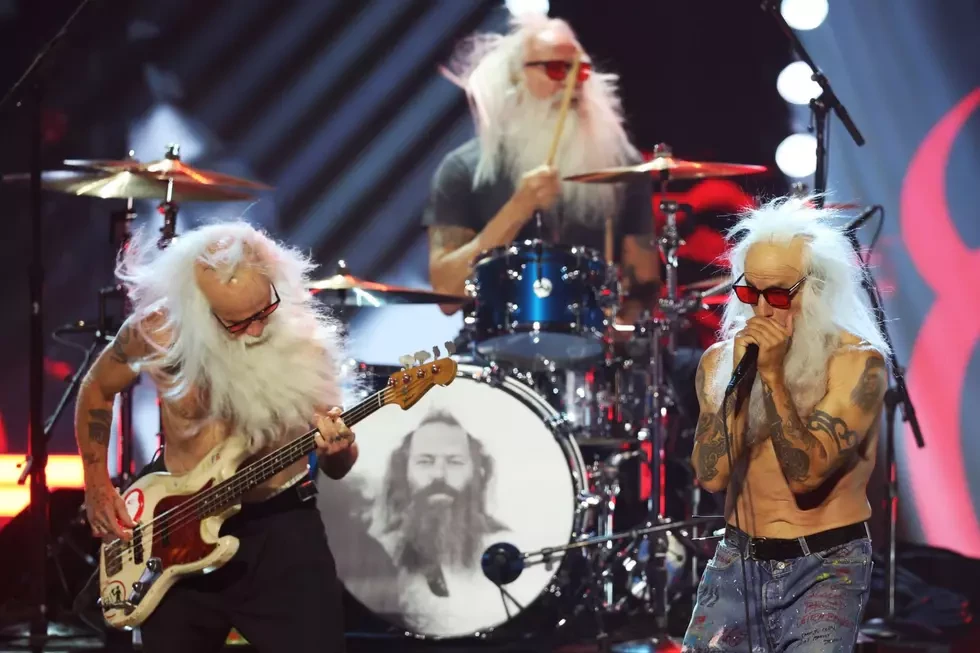
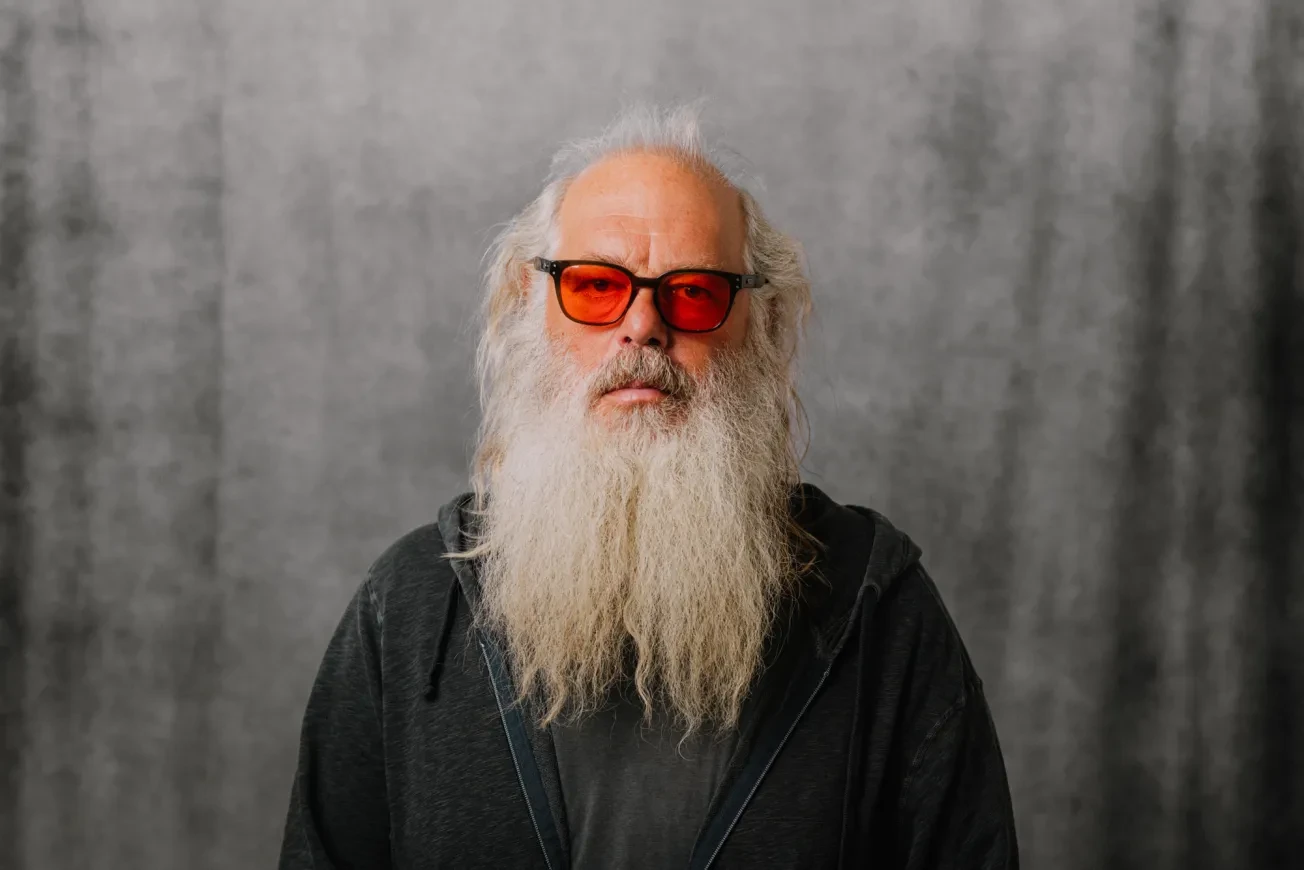
And then took to the stage Red Hot Chili Peppers, dressed as Rick Rubin.
himself. Huge gray beards, balding white wigs, orange-tinted glasses: the band members transformed into an entire platoon of Rubin clones and really rocked out with their superhit "Give It Away" from the album Blood Sugar Sex Magik — the first record he produced for them. On the bass drum of drummer Chad Smith shone a portrait of the maestro himself. It was the most wonderfully absurd spectacle of the evening and direct proof that the "Peppers" are still capable of letting loose just as cheekily as those guys who once walked onto the stage wearing only socks in strategically important places.
The real Rick Rubin, who was nominated for the "Musical Excellence" award by Neil Younghimself, accepted the statuette in shorts, sandals and pink-tinted glasses. His entire speech consisted of four words: "Rock and roll cannot be killed". Then he simply walked off the stage.
By then, the evening itself had already proven everything in his place.
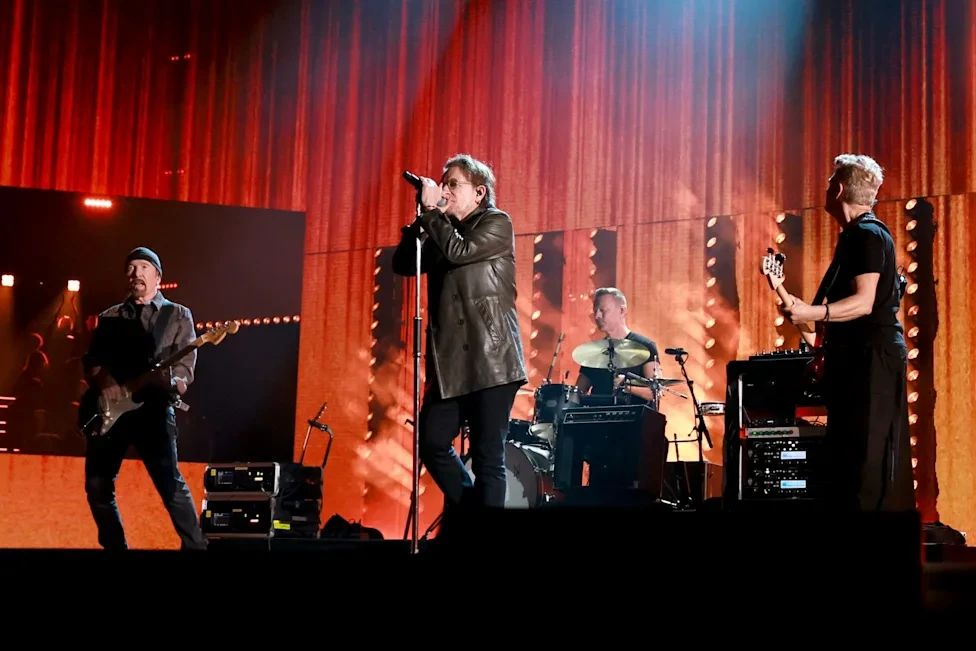
The show was unexpectedly opened by U2with a performance of the track "Silencio" from their new album Carnival de Luz surrounded by dancers in riot police helmets and shields, after which they launched into the classic "Pride (In the Name of Love)". Bono showed a peace sign, then a clenched fist and then a peace sign again. Later that same evening, Trent Reznor would name U2 among the bands that would sound completely different without the influence of Joy Division and New Order.
However, The Rock and Roll Hall of Fame has always been famous not only for those who came, but also for those who ignored the event. Oasis made themselves known by simply staying home.
Bob Odenkirk introduced them with his typical stoic speech. The actor admitted that he listened to Oasis every day before heading to the set in the role of Saul Goodman to draw "cheek, energy, and courage." He called the band a "dose of Viagra for one's own ego." Then he turned to the empty seats: "Is anyone even surprised they didn't show up?" he asked. "If they had come, it would have been completely out of character. I would have even started to worry about them."
Subsequently, Steven Wilson Jr. stepped onto the stage with a chamber version of "Wonderwall", trading Britpop gloss for his own rough rasp with a touch of country.
For Iron Maiden there was a much more compelling excuse for missing their own coronation. They were busy being Iron Maiden — the band is currently touring in Australia.
Jack Black opened the segment dedicated to them by shouting a line from "Run to the Hills", and then immediately got to the point: "Has there ever been another band that rocked this hard for this long?" he demanded an answer. "The answer is no!" As for their absence, Black added: "They aren't actually here tonight. Because right now they are crushing a world tour, just like they have been for the last 50 years!"
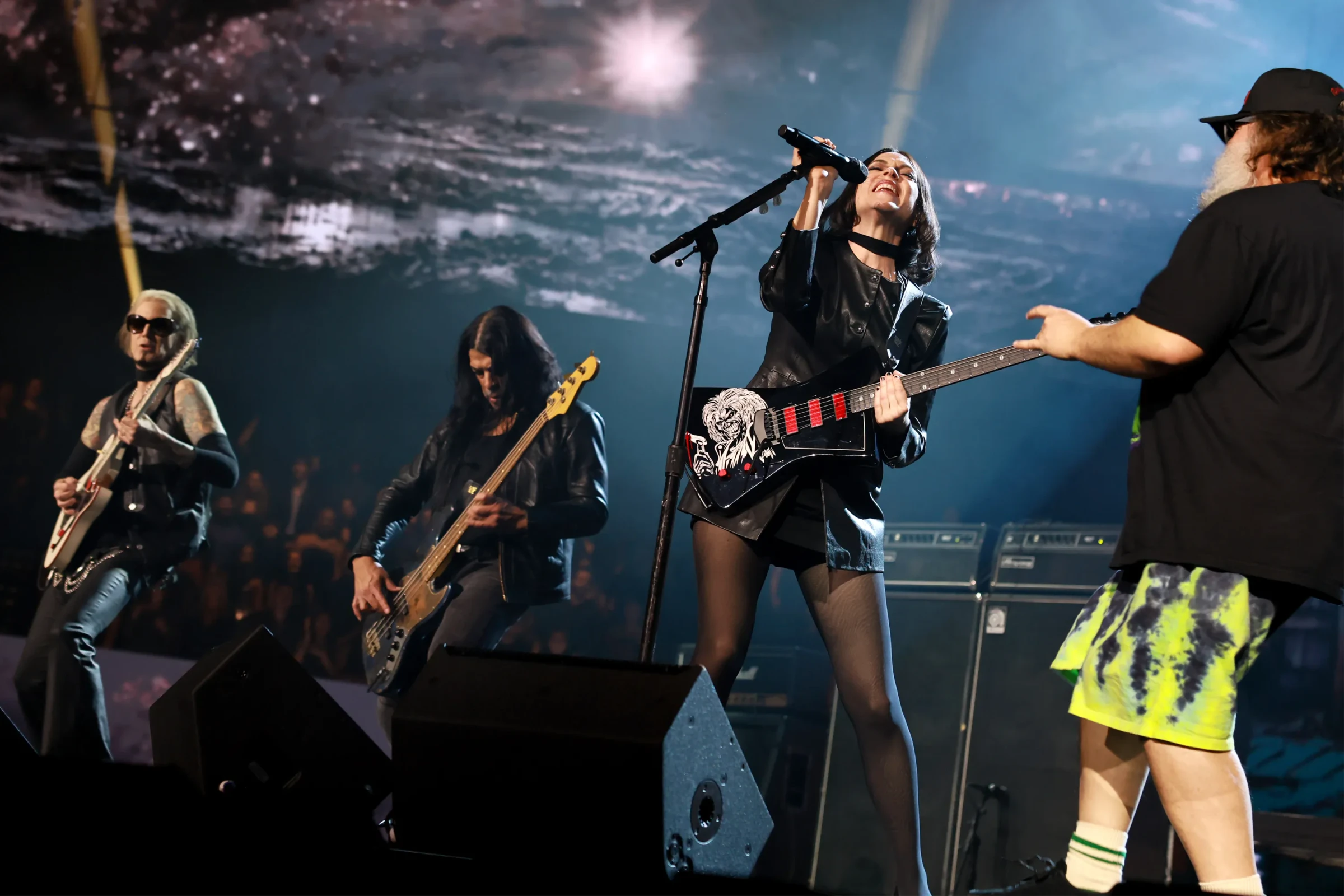
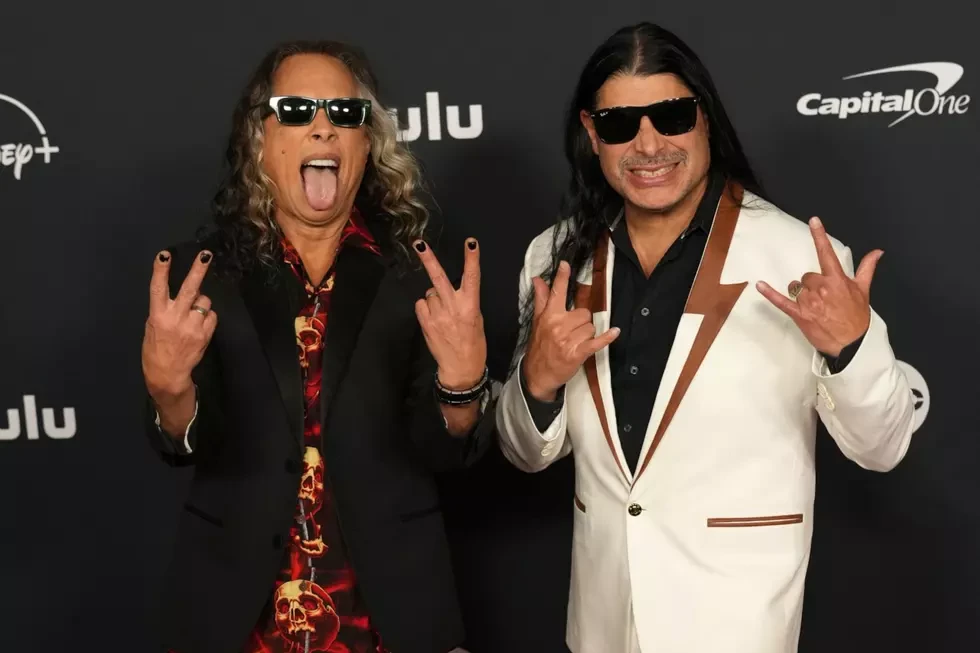
Then Jack Black brought the most incredible supergroup of the evening onto the stage: guitarist Kirk Hammett and bassist Robert Trujillo from Metallica, drummer Brad Wilk from Rage Against the Machine, virtuoso guitarist John 5 (John 5) and St. Vincent on lead vocals. "Welcome St. Rage Metallica Five!" shouted Black, and the musicians launched an attack with the legendary hit "The Trooper". Inviting St. Vincent was a stroke of genius — a true art-rock guitar heroine took control of the most famous gallop in the history of heavy metal. If Iron Maiden could not fly in for their own celebration, their stand-ins made enough noise to more than make up for them.
But amidst all that noise, the most poignant and moving moment of the evening belonged to Phil Collins.
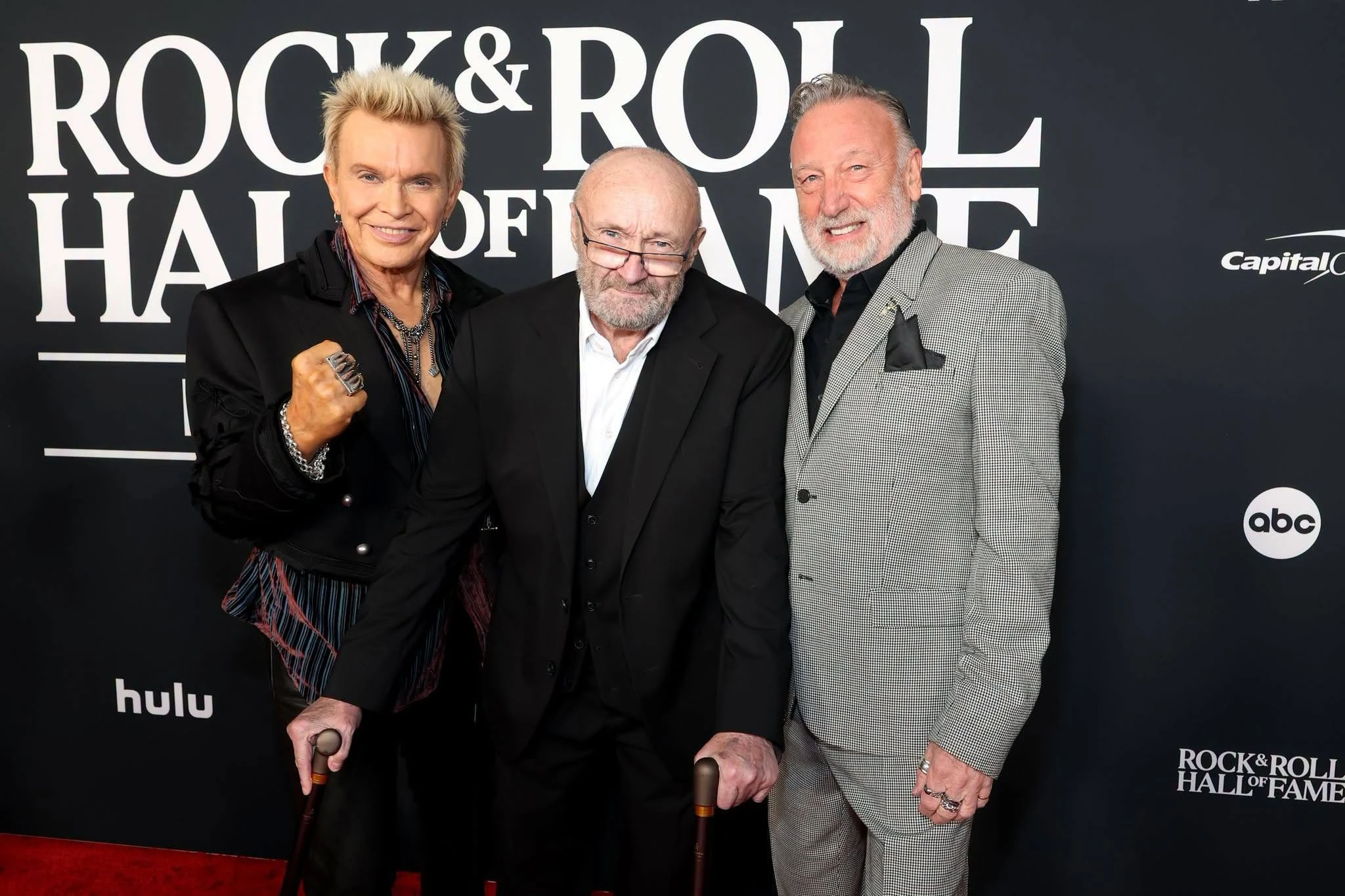
Collins, who has been unable to take the stage in recent years due to health issues, came to the microphone leaning on two canes, while his children — Lily, Nicholas and Joely — supported him from the auditorium. The musician could not hold back tears as the entire hall, including Jimmy Kimmel and Vince Vaughn, rose in a standing ovation.
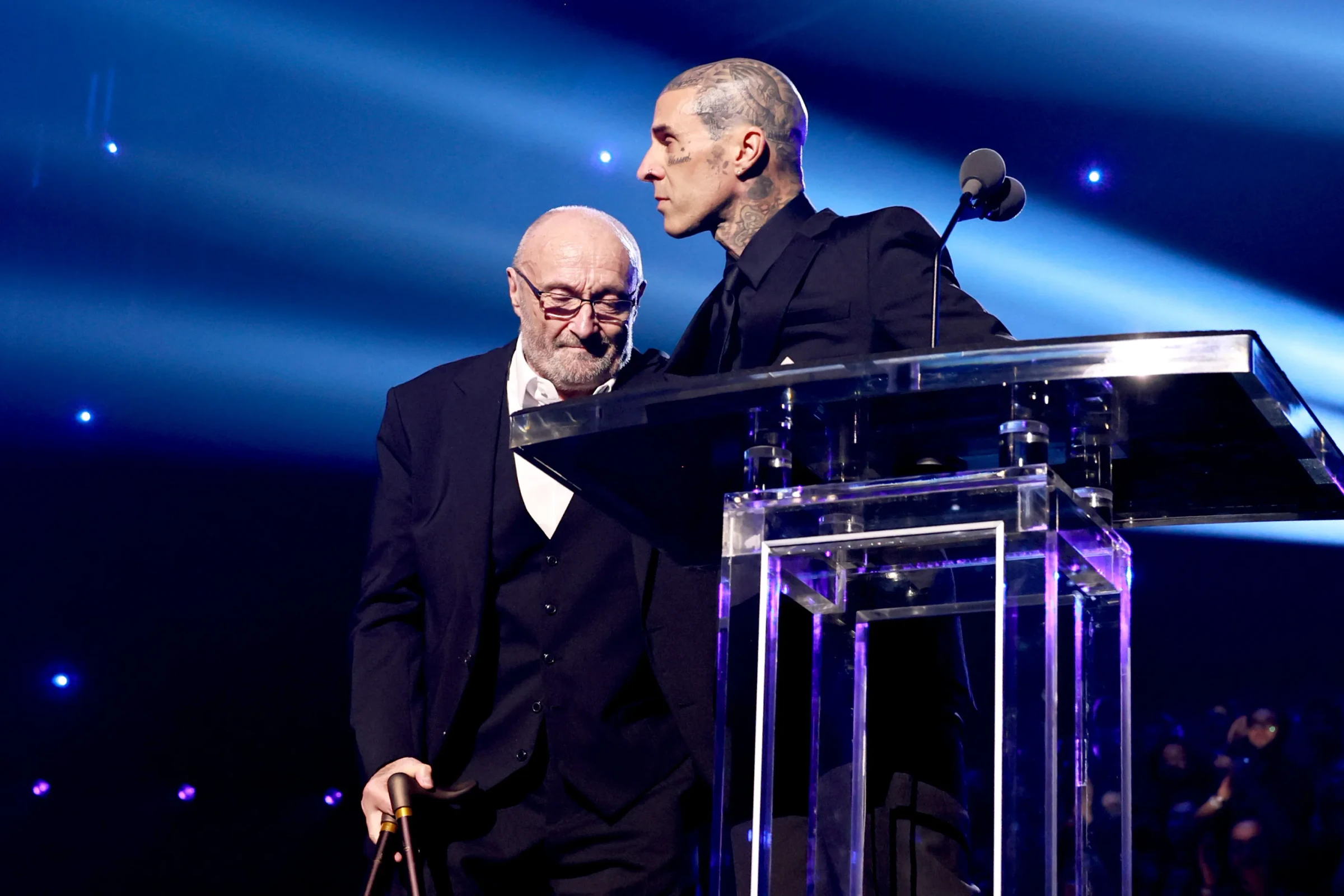
Drummer Travis Barker introduced Collins with the enthusiasm of a little boy who had met his ultimate idol. According to him, hits like “Sussudio”, “Take Me Home”, “Easy Lover” and “Against All Odds” were the soundtrack to his childhood, but nothing compares to that specific drum fill in the 1981 song “In the Air Tonight” — “probably the best drum break of all time.”
“You don’t even have to be a drummer to know this part, Phil,” said Barker. “When that moment starts, everyone starts air drumming.” The irony, he added, is that Collins never looked like a guy who could produce so much noise: “That sound changed everything.”
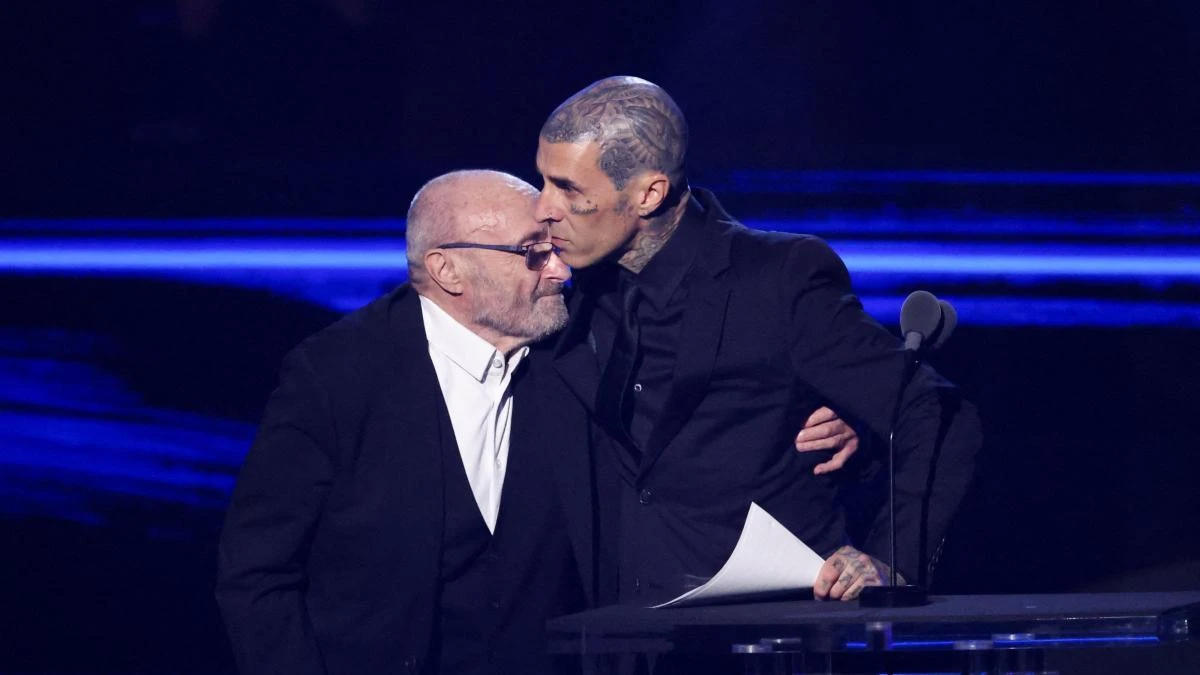
Collins, who has now become a two-time Hall of Fame inductee (he first entered as part of Genesis in 2010), immediately lightened the mood with self-deprecation: “You know, it’s actually not as bad as it looks from the outside.”
He thanked his longtime manager Tony Smith, who he jokingly claimed has been managing his affairs since 1485: “I grew up with only one wish — just to play the drums. Everything else became one big happy accident.”
The warmest words of thanks were directed at his assistant Lindsey Evans, to whom he credited saving his health: “Without her, I wouldn’t be here. I’d already be lying in a box, six feet under.” At the same time, he made it clear that he hasn't had his final say yet: “You’ll hear from me again, I promise you.”
Then Cynthia Erivo stepped onto the stage and performed “In the Air Tonight” from its slow, ominous build-up to the very climax, while Travis Barkersat behind the drum kit. When the moment of the legendary fill arrived, Barker threw himself at the drums like a man fulfilling a lifelong dream: the same kid who once tapped out that rhythm in the air was now playing it live for the man who can no longer do it himself. Phil Collins rose from his seat and began to applaud — no longer needing his canes.
Chris Rock was given the difficult task of taking the stage right after this triumph. He didn’t even try to pretend it was easy for him: “She sure as hell did it for all of us,” the comedian declared, adding that Collins had already tossed his canes aside and was dancing happily backstage.
After that Rock recalled one of the craziest moments in the history of the Grammy Awards. At the 1998 ceremony, after Wu-Tang Clan lost in the Best Rap Album category Puff Daddy (Puff Daddy), the late Ol’ Dirty Bastard stormed the stage and declared that “Wu-Tang is for the children”. Chris Rock, who was in the room that night, dropped a venomous remark to the then-winner: “Which is definitely not for the children,” he said. “I’m just stating a fact: history has proven it.”
However, Rock didn't just come for the stand-up. He reminisced about how in 1993 the debut album Enter the Wu-Tang (36 Chambers) thundered from every car and every street corner shop all over New York: “Wu-Tang rewrote the rules of hip-hop and did it without the support of a huge industrial machine. Those guys took their gritty street stories and samples from kung-fu movies and created something the world had never seen before.”
The comedian particularly highlighted the brilliant business model of the collective's leader RZA, which allowed every member to sign their own solo contracts while remaining part of the Clan: “They built an entire world and invited everyone in. Wu-Tang didn't leave Staten Island — they took it with them.”
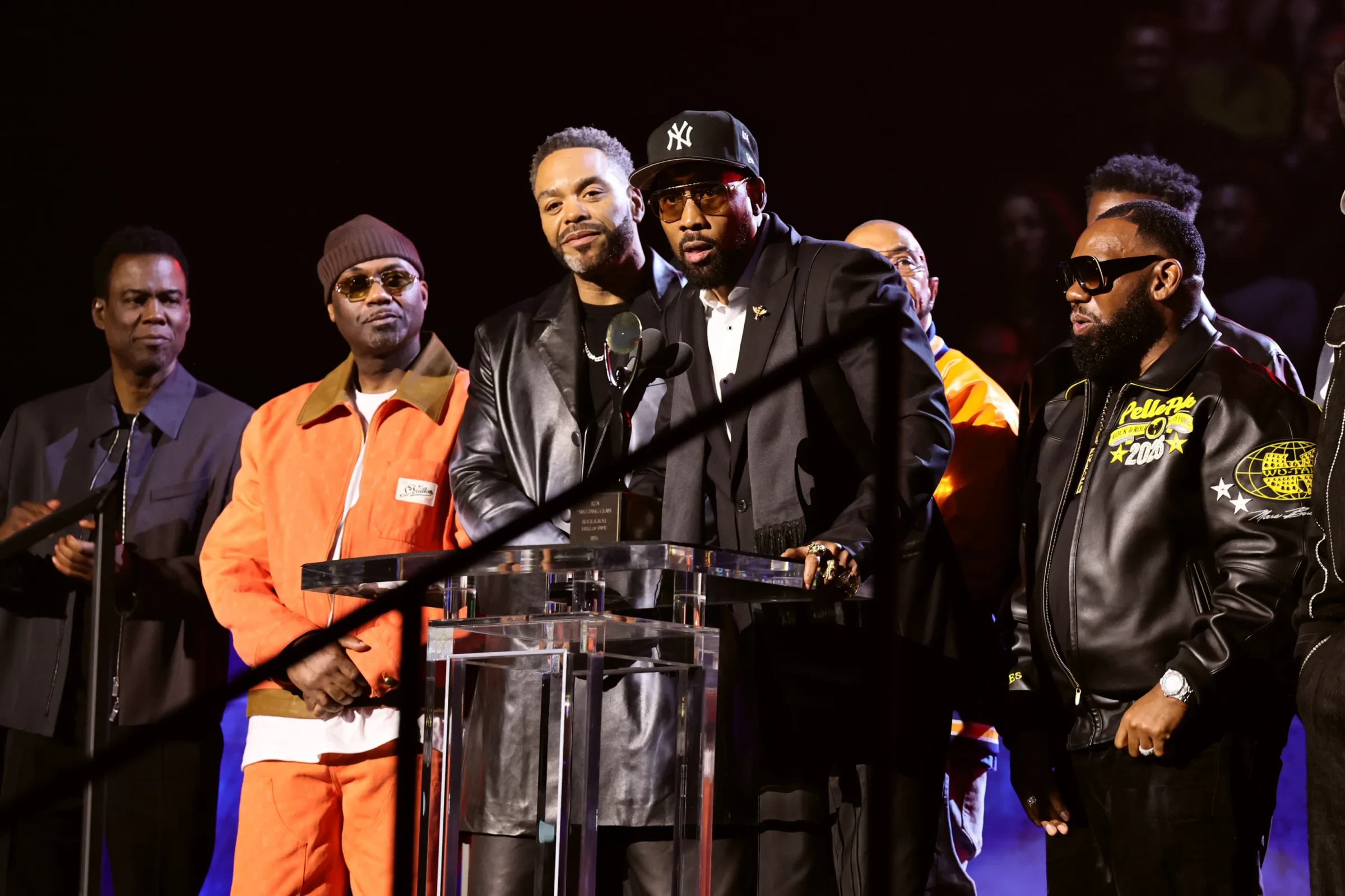
All eight living members of the group flooded the stage accompanied by a full-fledged jazz orchestra and launched into a medley that included “C.R.E.A.M.” and the ODB hit “Shimmy Shimmy Ya”. Method Man summarized the whole point of the evening in one sentence: “We went from being banned on the radio to the Rock and Roll Hall of Fame”».
Megan Thee Stallion introduced Queen Latifah (Queen Latifah), while giving her own definition of the title: “The word 'queen' embodies strength, confidence, and perseverance.”
“When Queen Latifah stepped onto the scene in the late 80s, hip-hop was practically an exclusively male territory,” noted Megan. “Women were often treated as accessories, not as equals.” She then added as an aside: “Today it’s still the same in some places. But we fixed that.”
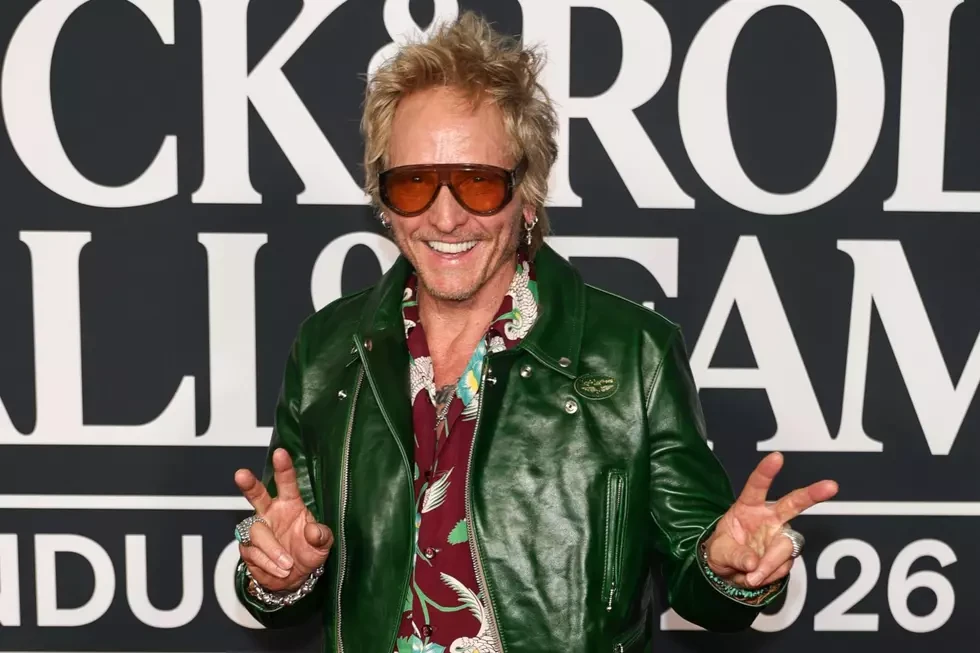
The hall laughed, but the message hit the mark. With her 1989 track “Ladies First”, recorded together with Monie Love, and later the hit “U.N.I.T.Y.” Latifah dealt a direct blow to misogyny in hip-hop. Megan paid tribute to her for literally kicking down the door for all the women who came after her, and subsequently building her own empire on that.
She dedicated her acceptance speech for the “Early Influence Award” Queen Latifah entirely to others. She recalled rehearsals in basements where teenagers exchanged rhymes and honed their skills on each other: “We were kids. We had no idea what the hell we were doing. We just knew we loved this music.” But they also understood its power: “We knew it was capable of changing the financial future of our families. We knew we would be able to buy houses for our moms. That we would be able to get out of our neighborhoods.”
She addressed the warmest words to MC Lyte: “If it weren't for Lyte, I am not sure I would even believe that all of this is possible.”
The very MC Lyte, who was introduced by Remy Ma, called herself a “b-girl from Brooklyn” and urged young artists to create multiple streams of income. She then turned to Latifah: “None of this would make sense without you. Where we started and how we started — today the circle has closed.” Together they ended the segment with a joint performance of “U.N.I.T.Y.”, a track by Lyte “Ruffneck” and “Ladies First”, defending the idea of female sisterhood again after more than 30 years — this time from the stage of the Rock and Roll Hall of Fame.
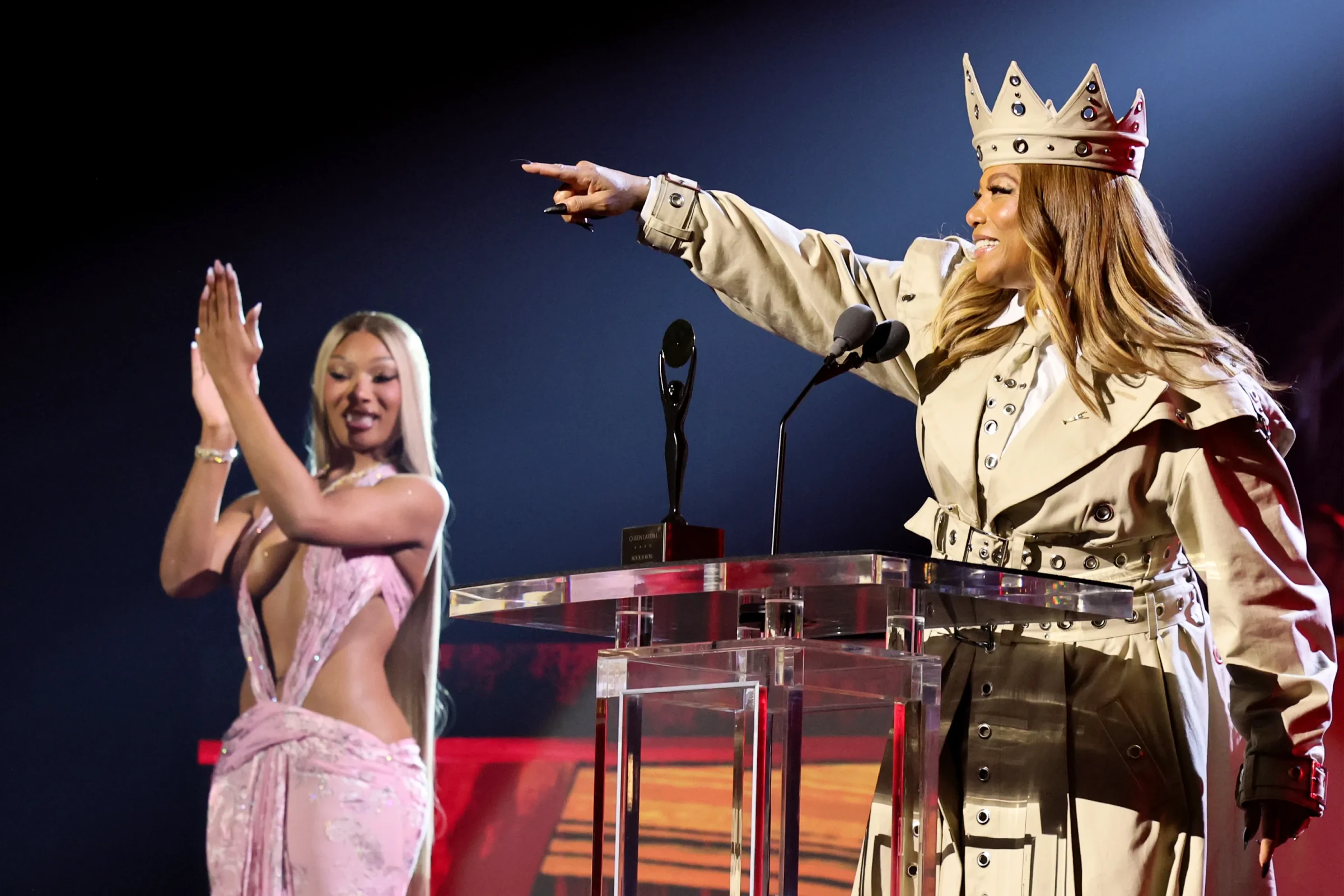
Oprah Winfrey did without grand epithets when introducing the person who passed away in 2005 Luther Vandross, and her speech was deeply personal.
According to her words, he often gave her life advice: “Girl, pull out your best dishes for yourself.”
She recalled how late one night in the 80s she drove out of her Chicago studio, put a new cassette by Vandross into the car radio and heard the song “Power of Love”. She was almost at her house, but instead of turning into the driveway, she circled the block to listen to it again.
“There are voices that know how to sing, and there are voices that sing with their soul,” said Winfrey. — Vandross never had to shout over a song. He believed in tenderness.” And here is what happens when “A House Is Not a Home”starts playing: “Suddenly you are no longer in your living room. You are standing on the threshold of every love you have ever lost.”
After that, he stepped onto the stage Usher (Usher) with a medley that included the tracks “Here and Now” and “So Amazing”.
If the story of Phil Collins became a lesson in survival, then Joy Division and New Order provided the evening's lesson in complete creative rebirth. Trent Reznor traced the musical line from the dark post-punk of Joy Division to the guitar-synthesizer dance floor of New Order.
Reznor admitted that he had watched the concert clip by director Jonathan Demme for the song “The Perfect Kiss”: “I was just one of many who studied this blueprint,” he said and then listed other students: U2, Radiohead, The Cure, The Killers, Nirvana, Depeche Mode.
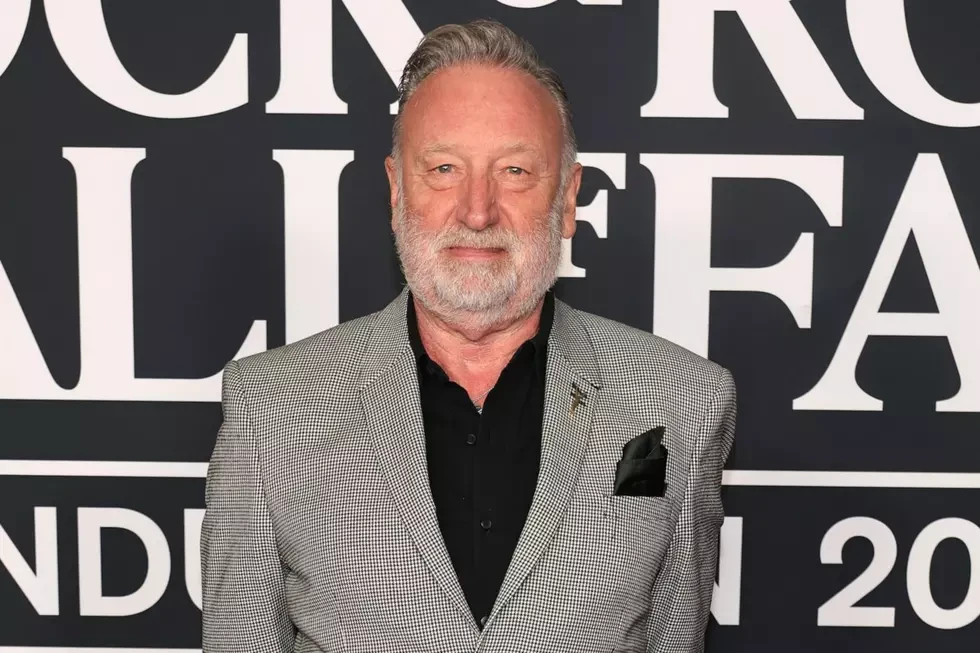
Bassist Peter Hook was the only member of the original lineup at the ceremony. "I am here alone, but I am not lonely," he said, a sentence with a clear subtext given his long-standing disputes with his former colleagues from New Order. He certainly did not remain lonely. Frontman of Deftones Chino Moreno, who built his career on the edge between hardness and fragility, joined him for a performance of the legendary "Love Will Tear Us Apart". And singer of CHVRCHES Lauren Mayberry, a synth-pop devotee with her whole soul, sang "Bizarre Love Triangle". . Hook thanked them for making an "old man truly happy."
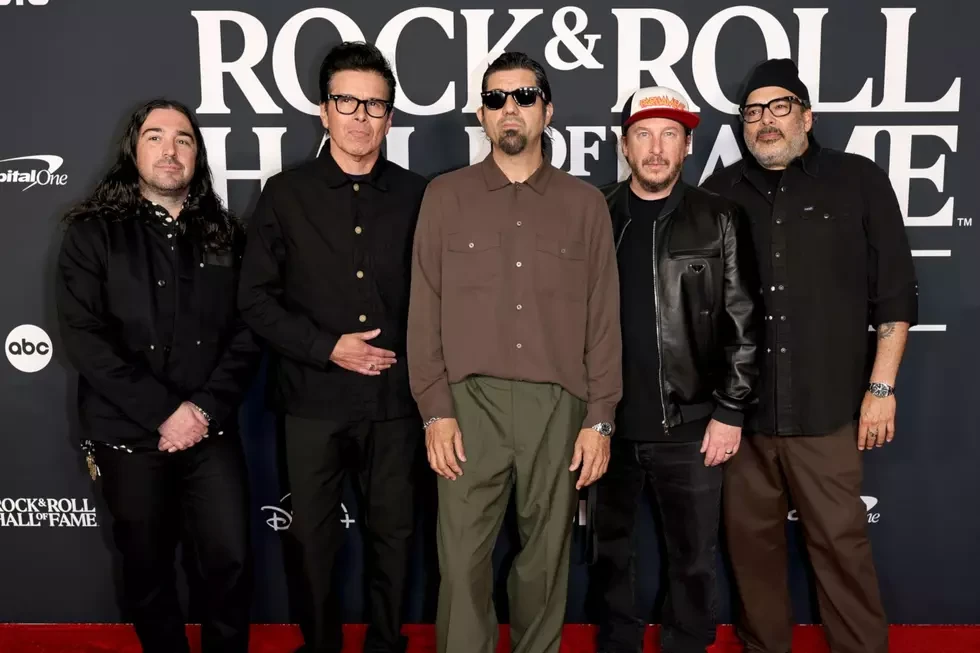
Singer Sade (Sade) also skipped the ceremony. After an opening speech by Andra Day , the rising British star Sienna Spiro was given the difficult task of interpreting the cult "Smooth Operator".
. The other laureates received more laconic minutes of fame. Celia Cruz became the first artist in the history of the Hall of Fame to sing predominantly in Spanish, and Fela Kuti — the first native of Africa; along with them, the country rock pioneer Gram Parsonsentered the hall. Together with Rick Rubin , the Philadelphia soul songwriter Linda Creed, producer Arif Mardin and the legendary Jimmy Miller, who produced The Rolling Stones in their golden period from Beggars Banquet to Exile on Main St.
, received the "Musical Excellence" award. Television host Ed Sullivan was posthumously awarded the Ahmet Ertegun Award for letting rock-and-roll into the living rooms of all of America.
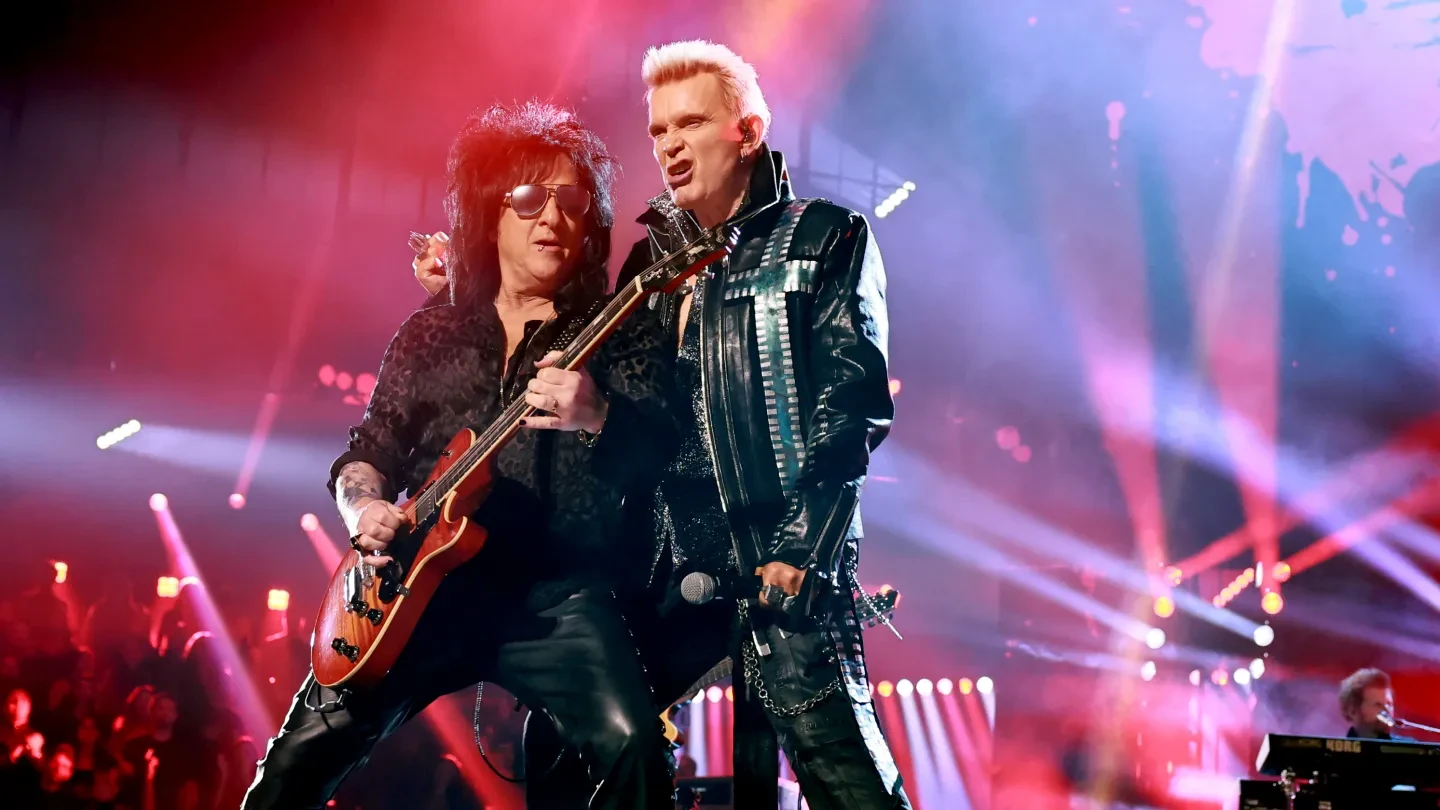
The last to take the stage was the laureate who had dreamed of it more than anyone else.
The journey of Billy Idol to the Rock and Roll Hall of Fame began with a bad entry in a school report card. "Idle. Not active, not used for the intended purpose, having no real goal or value," read from the podium Gwen Stefani. Once upon a time, a chemistry teacher wrote this word in the evaluation of a student named William Broad. Broad turned a school insult into his stage name. Half a century later, the supposedly unenterprising schoolboy became a member of the Rock and Roll Hall of Fame.
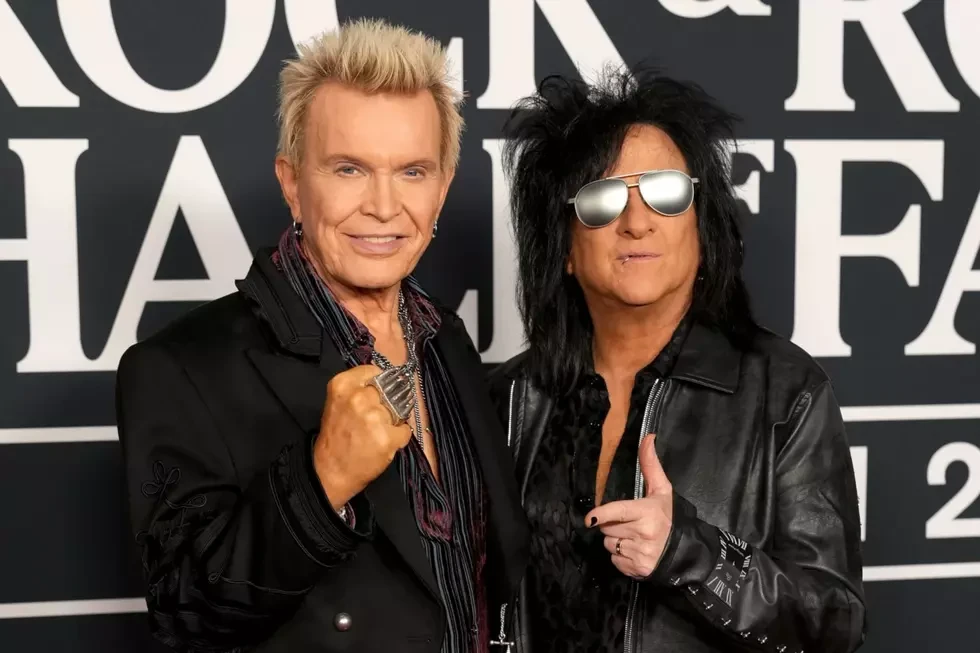
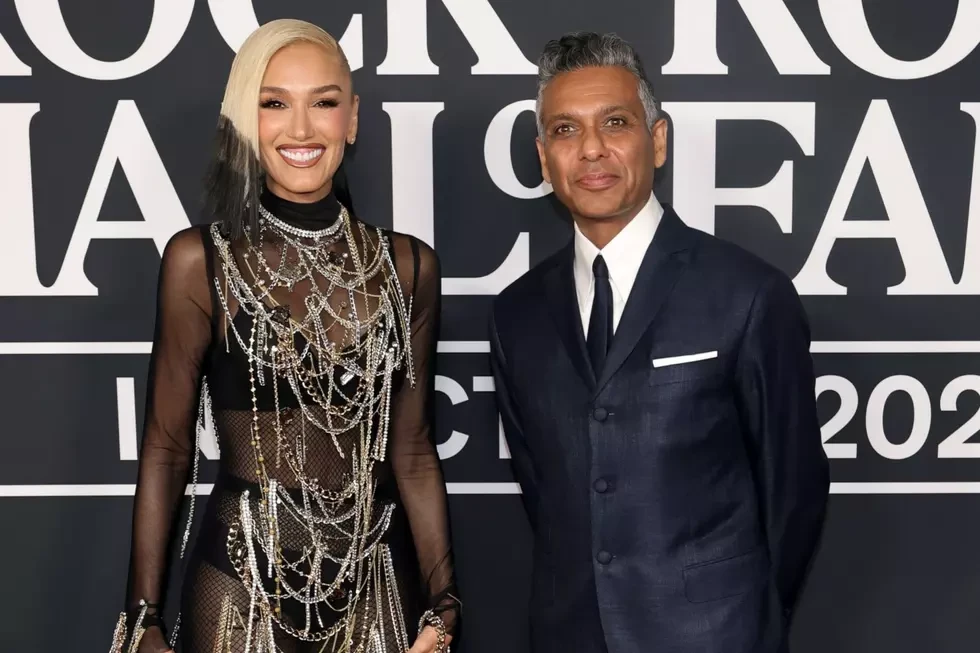
Stefani, who took the stage along with bassist No Doubt Tony Kanal, recalled how in the summer of 1984 she was riding a bus to Huntington Beach and heard the song “Eyes Without a Face”, which was booming from boomboxes along the entire coast: “It was pure euphoria,” she admitted. She had no idea what the song was about, but that didn't matter at all. And then there was the image: spiked hair, leather, fingerless gloves, and the signature crooked sneer. “He was a looker. He was stylish. He was insanely sexy,” said Stefani. “And perfectly rebellious.”
The first to accept the award was long-time guitarist Steve Stevens, who paid tribute to his “six-string goddess” and recalled how his parents patiently listened to his covers of Joni Mitchell and James Taylor until the exact day he bought a fuzz pedal and started torturing “Purple Haze”all day long. He called Idol a great songwriter and a “true, damn cool pro.”
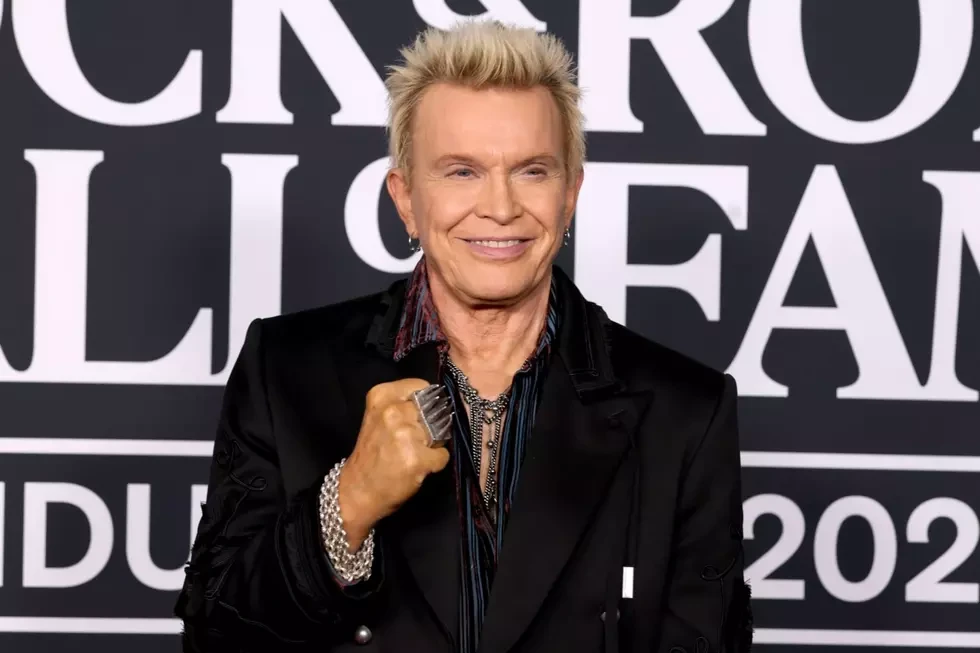
Then Billy Idolhimself approached the microphone, put on his dark glasses, and delivered an unexpectedly sincere speech in defense of punk as a philosophy of freedom: “They told us there was no future, but we found our tribe. And we created punk rock and went our own way.” Punk, he added, “was and remains an amazingly creative force.”
He thanked his family, old bandmates from Generation X and especially Steve Stevens, stating that he could not imagine being inducted into the Hall of Fame with anyone else. He left a bold challenge to the young generation: “Go and make the impossible possible. Find out who you are. And be yourself.” And he ended his speech with the main phrase of the entire evening: “And now I’m going to party with Wu-Tang Clan!»
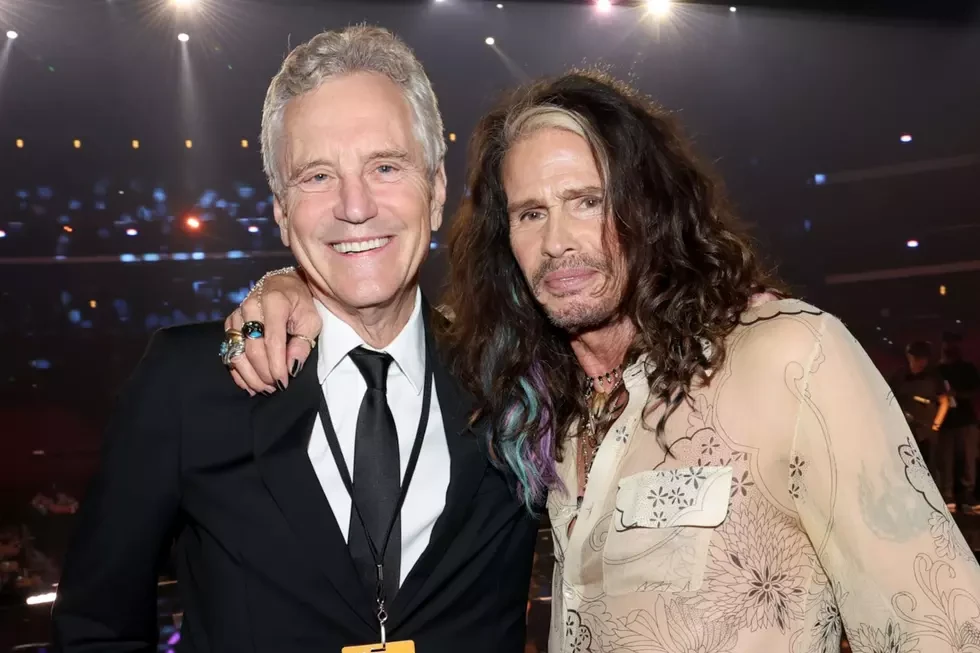
Immediately after, Idol and Stevens together with bassist Billy Morrison unleashed the hit “Rebel Yell”in the hall, after which Gwen Stefani returned to the stage for a joint performance of “Eyes Without a Face”.
However, the last word did not belong to Idolafter all. Coming onto the stage was Chuck D (Chuck D), to announce another spectacular surprise: a legendary reunion of Run-DMC and Aerosmith with Chad Smith on drums, who played the iconic Walk This Way — a track that was co-produced back in the day by none other than Rick Rubin.
The evening ended exactly where it began.
Rick Rubin was absolutely right. Rock'n'roll cannot be killed. At least on that Saturday night, this old rebel was definitely not planning on going quietly.