

Overcoming the Odds: How Chuck Schuldiner and Death Unleashed a Metal Revolution on the World
Aug. 6, 2026, 9 a.m.
Given the uncompromising nature of the sub-genre's very name, death metal pioneer Chuck Schuldiner could easily have been forgiven for assuming that the frantic, hyper-aggressive metal spin-off he helped synthesize had strict commercial limitations. The reality, however, was completely the opposite: he possessed an unshakeable confidence that death metal was destined for global triumph.
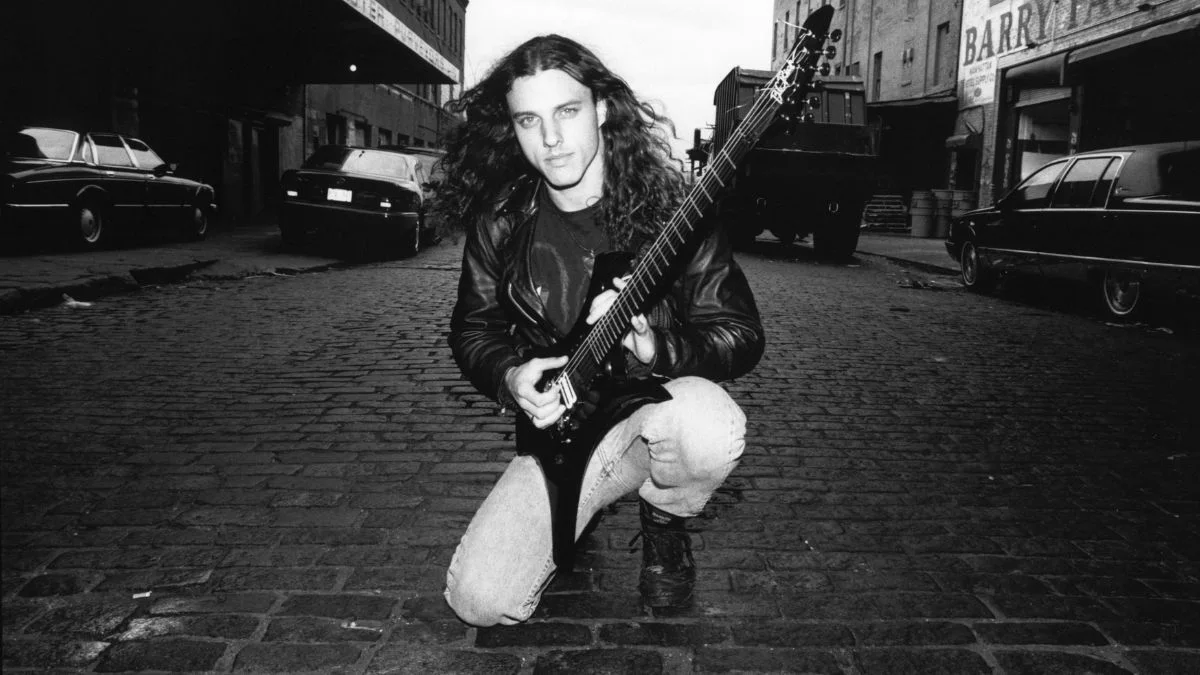
In the mid-1980s, Schuldiner masterfully fused his deep admiration for the New Wave of British Heavy Metal (NWOBHM), progressive metal, and high-velocity thrash into a sonic melting pot, single-handedly giving birth to the death metal genre in the process. His belief in its artistic and commercial potential was absolutely unflinching, standing firm against the overwhelmingly hostile and negative reception the music received during its earliest days. In the legendary April 1995 issue of Guitar World magazine, the visionary leader of Death made it crystal clear just how much deep faith he had harbored in his ambitious sonic style — and the heavier sub-genre as a whole.
"I never doubted it," famously observed Schuldiner, who successfully propelled extreme guitar music to unlikely and completely unexpected commercial heights before his tragic passing in 2001. "But I probably should have, because everyone was telling us that we sucked."
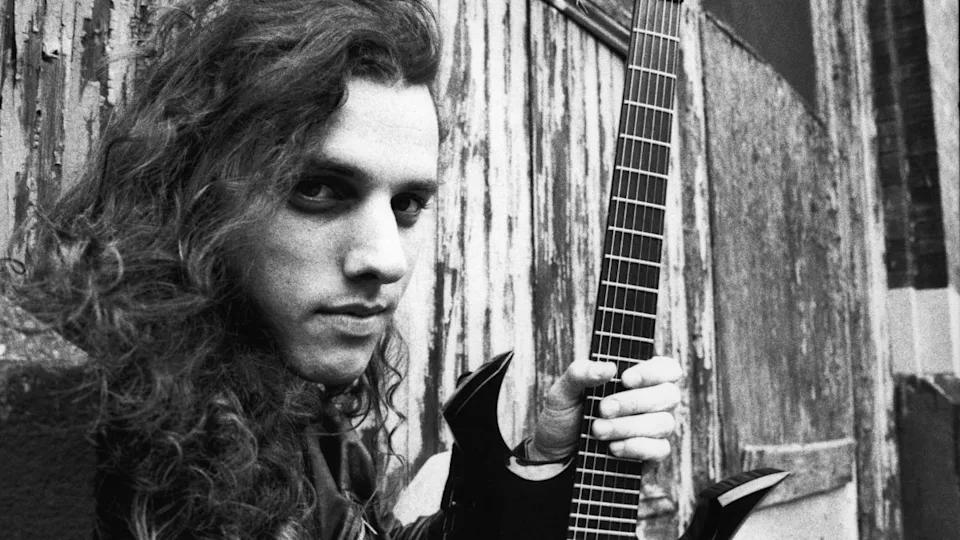
The band was initially regarded as the ultimate outcast act of the Orlando, Florida music scene, with every other contemporary high school garage band taking constant shots at their musicianship. They were widely branded as a chaotic, hideous-sounding group. Chuck openly admitted that during those formative years, their sound probably was pretty raw and hideous, but they possessed one undeniable weapon: they were hideously sincere in their artistic expression. And as history has proven, that level of genuine honesty makes all the difference in the world.
Schuldiner's exceptional musicality — operating as a true technical virtuoso on the fretboard in his own right — allowed him to extract the heaviest, most aggressive elements of the music he loved without ever sacrificing its underlying hooks and wider structural appeal. This unique talent helped elevate death metal far beyond a mere shocking gimmick, transforming it into a respected art form.
Today, seminal studio masterpieces like Human, Individual Thought Patterns, and The Sound of Perseverance are universally revered as flawless milestones of extreme guitar music. World-renowned modern metal heavyweights like Machine Head and The Black Dahlia Murder continuously cite the band Death as a primary, foundational influence on their own guitar styles. Schuldiner may have left the world far too soon, but he carved out an unforgettable, against-all-odds legacy that continues to inspire guitarists across the globe.
By the time 1995 rolled around, the death metal movement had gained massive underground traction, prompting major record labels to aggressively sign prominent bands within the scene in an ambitious push for mainstream commercial success. Yet, Schuldiner firmly believed that the short-sighted strategies of these record labels were directly to blame for the structural struggles the musical movement was facing at that specific time. Fortunately, the tides of their own professional fortunes were about to turn dramatically.
"A lot of labels signed the wrong bands," he candidly added during his insightful retrospective interview with Guitar World. "And I don't mean that in a jerky way. I always gave 100 percent on each record that we made for our former label, Relativity, and to see those albums put on the back burner, to see someone throw your life off to the side, really made me angry."
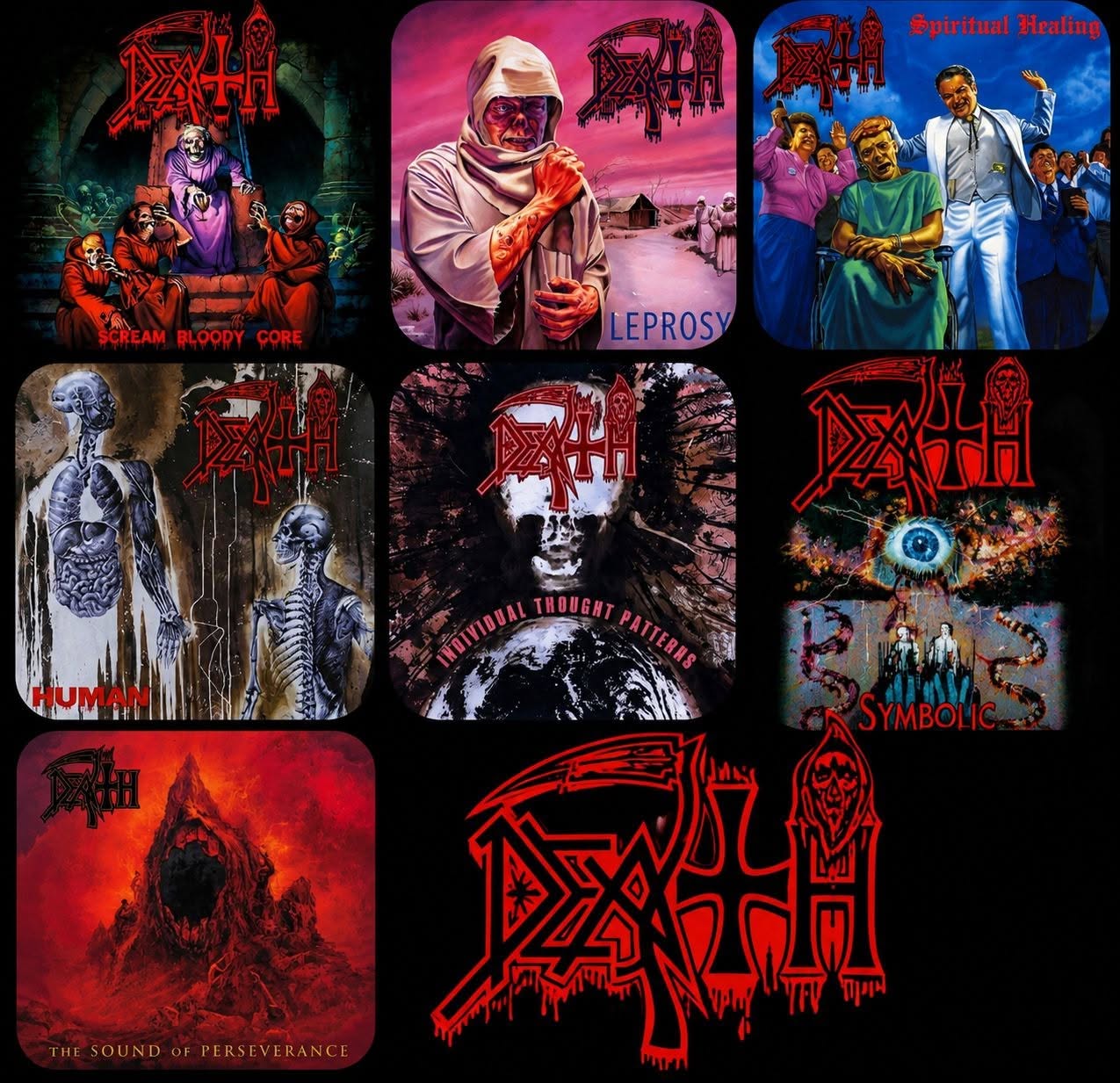
When the band began laying down the groundwork for their landmark sixth studio album, Symbolic, in 1995, they were still legally under contract with Relativity. The guitarist vividly recalled the agonizing feeling that it was going to destroy him creatively to hand over such a masterpiece to them, knowing firsthand that the corporate executives simply did not care about the music. It would have completely shattered his spirit to watch that brilliant guitar-driven record get thrown away due to standard corporate neglect.
The extreme metal pioneer explained that he never went around complaining about his circumstances, but he remained vocal about the fact that his band had long been denied the fair, high-profile opportunities that were being handed out to countless other artists signed to major mainstream labels. That narrative changed completely when they joined forces with the iconic metal label Roadrunner, a company that genuinely stood behind the band’s creative vision. All Chuck ever wanted was a legitimate chance to compete on the global stage, stating from the heart that if they received that platform and blew it, he would be the very first to admit they messed up. He simply demanded that fair opportunity.
Partnering with Roadrunner proved to be an incredibly shrewd and highly successful business move. The band’s final studio offering, The Sound of Perseverance, achieved remarkable commercial success for an extreme release. Shifting roughly 30,000 physical copies upon its initial release, the album stands today as a flawless, technically brilliant, and enduring cult classic that continues to set the gold standard for high-performance guitar playing.

