

Paul Reed Smith: 🎸 “The Country a Guitar Is Made In Doesn’t Matter”:
Feb. 4, 2026, 9:15 a.m.
Paul Reed Smith Destroys One of the Biggest Guitar Myths
Why the founder of PRS is telling guitarists exactly what they don’t want to hear
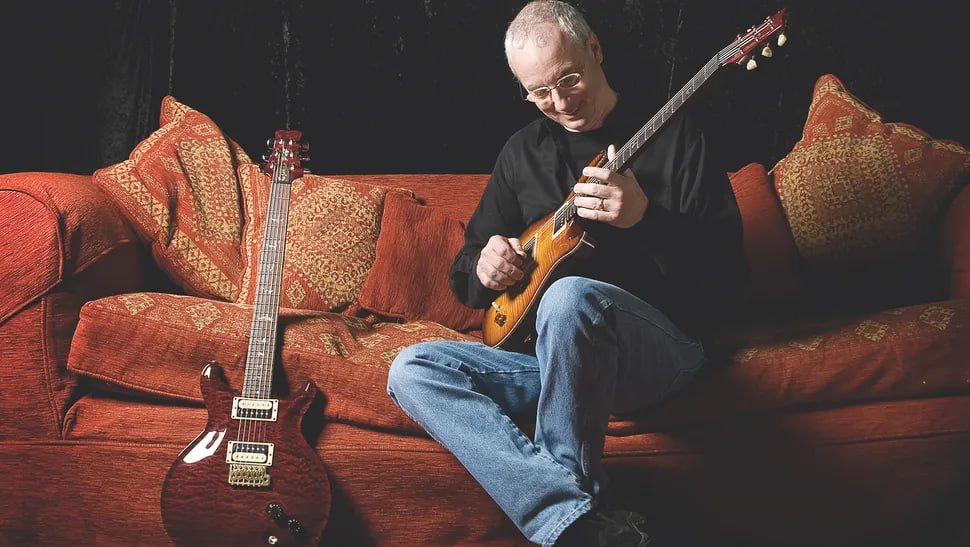
Guitar players have always had a deep affection for vintage instruments. Old guitars are often credited with almost mystical qualities, as if decades-old tonewoods, hardware, and finishes somehow possess magical sonic powers that modern instruments can never replicate.
According to Paul Reed Smith, legendary luthier and founder of PRS, much of this thinking is simply not true.
Speaking with American Musical Supply, Paul Reed Smith openly distances himself from the long-standing belief that “old is always better.”
“Nobody thinks that a newly trained veterinarian can be outmaneuvered by an older vet,” says Paul Reed Smith. “But everyone assumes an old guitar can outplay a new guitar. I just don’t buy that idea.”
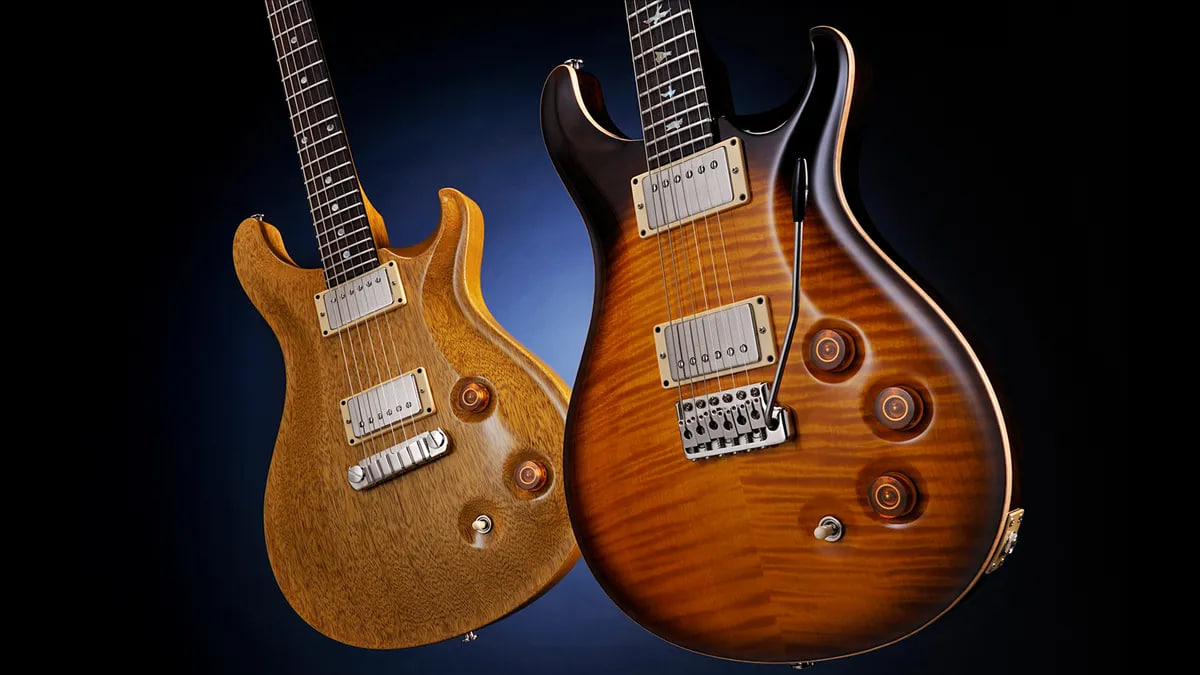
Modern guitars versus vintage mythology
Smith explains that he is far from alone in this opinion. He points to respected professional musicians who openly praise the advantages of modern instruments.
One such player is Jimmy Herring of Widespread Panic.
“Jimmy Herring was the first person who said to me, ‘My PRS guitars can do things my vintage guitars simply can’t do,’” Smith recalls. “I thought that was a beautiful statement.”
Over the last four decades, the fascination with vintage guitars has only intensified. The market has wrapped even relatively modest 1960s models in an aura of mystique, elevating them far beyond their original intent as working instruments.
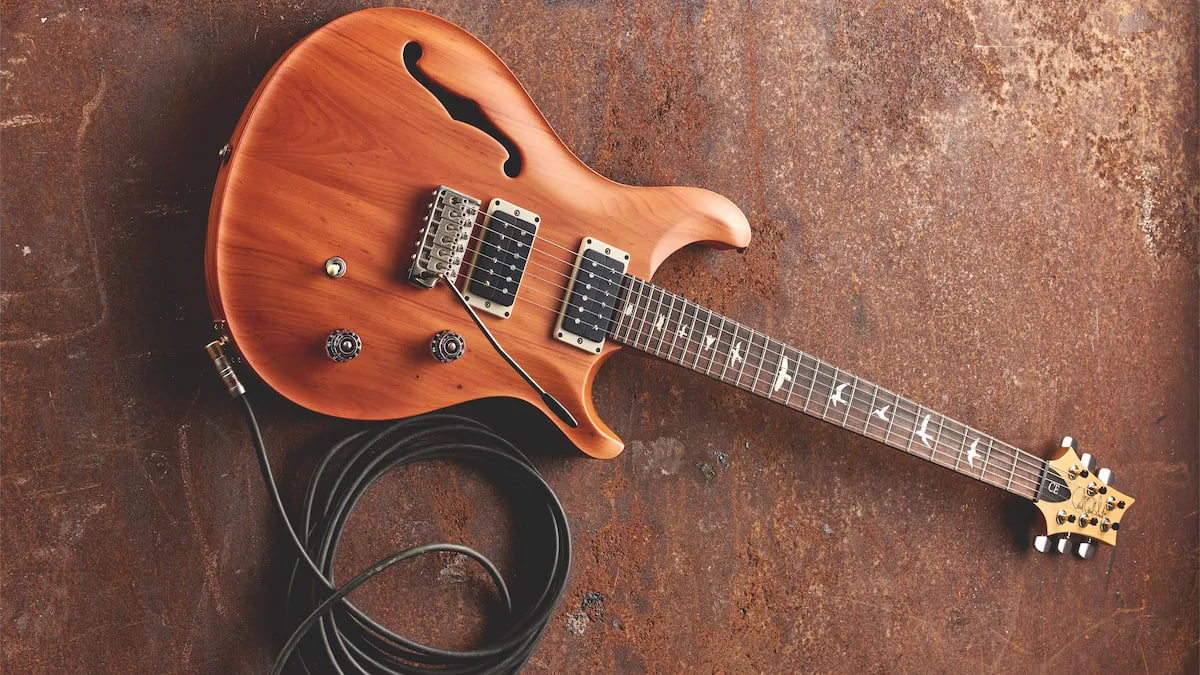
David Gilmour’s perspective — and Smith’s response
The debate has even drawn comments from icons such as David Gilmour, the legendary guitarist of Pink Floyd. Discussing the guitars used on his solo album Luck and Strange — a record he described as his strongest work since Dark Side of the Moon — Gilmour suggested that vintage guitars naturally sound better.
“All those pieces of wood gradually come into harmony with each other over years of playing,” he explained.
For Paul Reed Smith, however, this argument doesn’t hold up.
Tonewood: properties matter more than species
Smith emphasizes that he has never been overly concerned with specific wood species.
“The species itself is far less important than the actual qualities of the wood,” he explains.
He has also mocked the elitism surrounding where tonewoods come from, famously stating that Guatemalan fence posts can make just as good guitars as Honduran mahogany when selected and worked properly.
This philosophy has led PRS to experiment with unconventional materials, including:
-
alternative body woods such as Urban Ironbark
-
non-traditional fretboard materials like Richlite and Ebonol
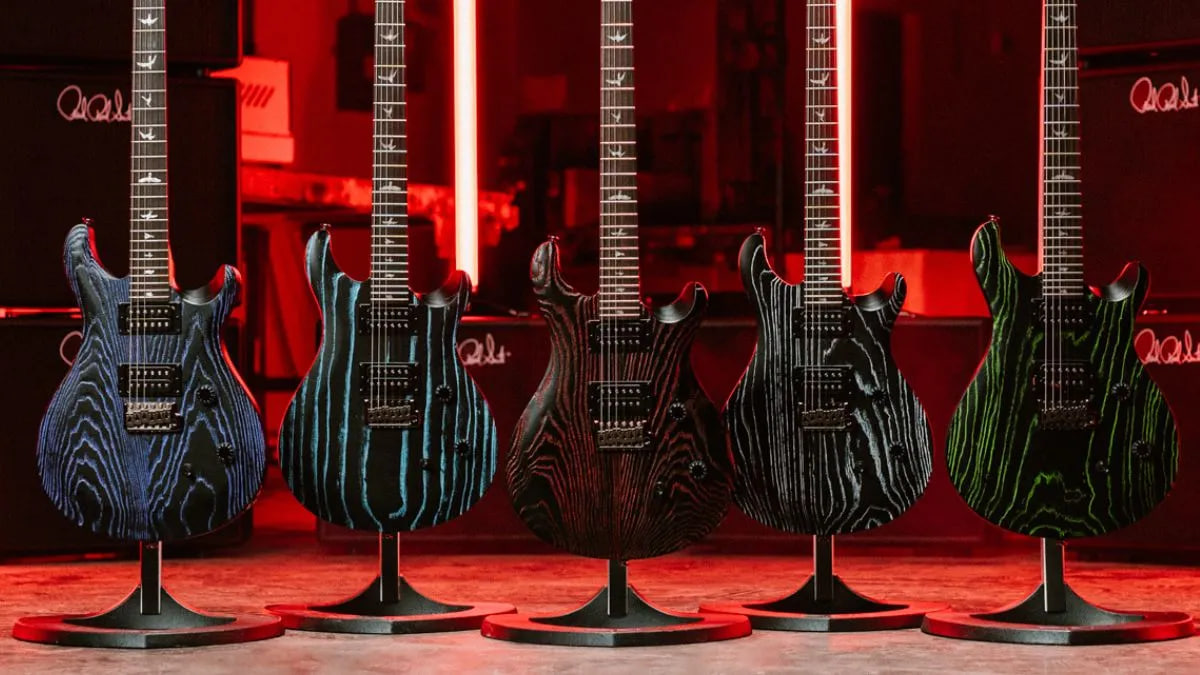
Why the country of manufacture doesn’t define quality
Expanding on these beliefs, Paul Reed Smith now argues that the country where a guitar is made should not be a deciding factor for guitar or bass players.
Writing in a Premier Guitar column, he states:
“I’ve always believed it’s not about the country an instrument is made in. It’s about the skill level of the people building it.”
He recalls early visits to overseas manufacturing facilities:
“We discovered that for decades they had been trained to work fast, while our philosophy was about learning how to work well.
Once they understood how to work well, the instruments they produced reached the same level as those made here in the United States.”
Smith’s conclusion is direct and definitive:
“The country a guitar is made in does not matter very much. The care, skill, and attention of the instrument makers absolutely does.”
The Carlos Santana story
To illustrate his point, Paul Reed Smith shares a telling real-world example.
When Carlos Santana asked for a more affordable version of his signature model, Smith chose to manufacture it outside the U.S.
“When we presented him with the prototype, he was impressed and said, ‘This was made in America, right?’
I replied, ‘No, this was made overseas.’ The approval contract was on the table, and he leaned over and signed it immediately.”
What guitarists should focus on instead
Rather than obsessing over tonewood mythology or manufacturing location, Paul Reed Smith urges players to focus on what truly matters: the instrument itself.
“You should evaluate a guitar the same way, regardless of where it’s made,” he concludes.
“How does it look? How does it feel in your hands? How does it sound acoustically? How does it sound plugged in?
And most importantly — does it do the job you need it to do?”
🎶 Final takeaway for players
In a world where legendary brands like Fender, Gibson, and PRS define generations of music, Paul Reed Smith’s words carry serious weight. His stance doesn’t dismiss vintage guitars — but it challenges players to rethink why they choose the instruments they love.
Ultimately, inspiration, craftsmanship, and performance matter far more than age, mythology, or a name stamped on the back of the headstock.

