

the untold story behind the EVH 5150 III, the amp that redefined modern metal
Dec. 27, 2025, 9:15 a.m.
“He dimed everything and just walked away”:
From Eddie Van Halen’s instinctive brilliance to merciless crash testing — an inside look at how the EVH 5150 III was born
Wolfgang Van Halen and EVH Gear’s Matt Bruck reflect on the long, difficult road to creating a modern tube amp legend — and arguably the ultimate metal amplifier available today
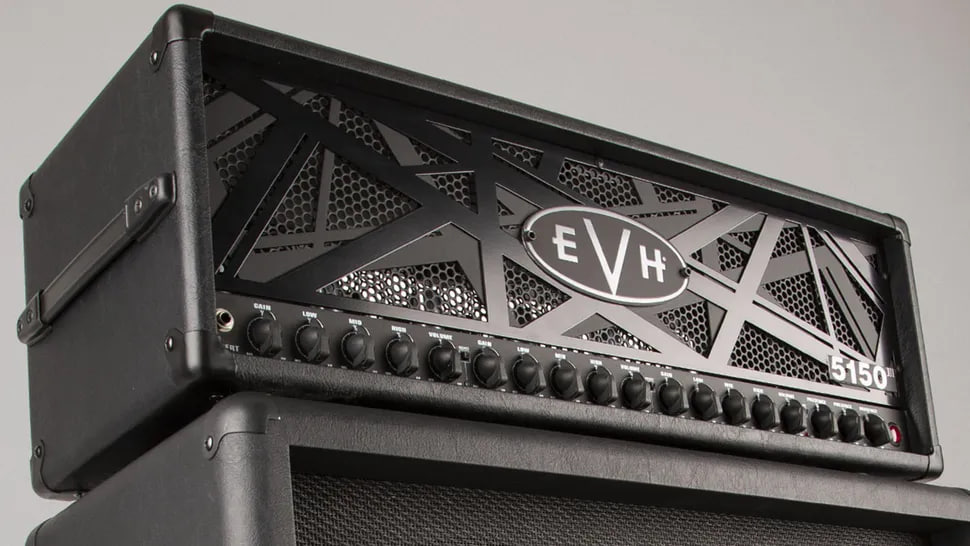
When the EVH 5150 III was officially released in 2007, Wolfgang Van Halen was only 16 years old. Since then, the amplifier made famous by his father, Edward Van Halen, has grown into one of the most dominant and recognizable guitar amps on the planet.
Today, the 5150 name is more than a product — it’s a benchmark.
As Wolfgang recently told Guitar World:
“It honestly feels like you can’t be in a metal band without owning a 5150 — or at least some version inspired by it.”
That sentiment is echoed by Matt Bruck, who worked closely with Eddie throughout the amp’s development:
“It’s one of the most successful amplifier lines ever created. The legacy lives on. We were incredibly lucky to have Ed involved for as long as we did. I feel humbled by what this amp represents, but I’m not surprised by its impact.”
For Wolfgang, the 5150 III is deeply personal:
“There’s a real sense of pride in it. I have no hesitation using these amps live and in the studio. This amp is truly my dad’s and Matt’s creation. I’m just grateful to witness how far it’s come.”
How did the 5150 III actually come together?
Matt Bruck:
The development process was long and challenging. We weren’t tweaking an existing design — we rebuilt the amp from the ground up. That meant creating a completely new foundation before anything else could happen.
We designed a new chassis and developed custom transformers. They’re incredibly robust — overbuilt by design. If you want something exceptional, you don’t cut corners.
Wolfgang Van Halen:
I vividly remember my dad testing it in the studio. From downstairs, you could hear a faint feedback tone. As you walked closer to the studio, it kept getting louder.
You’d open the first door — louder. Open the studio door — and there was a guitar sitting there, every knob maxed out, feeding back endlessly.
He left it like that for an entire week, just to see if it would survive.
[Laughs]
That’s probably the harshest test any amplifier could go through.
Matt Bruck:
I had written down all the technical details so I wouldn’t forget them, but the story Wolf just told is absolutely accurate. The development took nearly two years, and the final stage was something we literally called “crash testing.”
Was “crash testing” Eddie’s idea?
Matt Bruck:
Absolutely. To him, it meant trying to break the gear on purpose.
[Laughs]
The logic was simple: if it survives this, it’ll survive anything on the road.
He cranked everything, leaned the amp against the cabinet, and let it scream in an endless feedback loop. I was convinced the building was going to catch fire.
And how did Eddie react to that concern?
Matt Bruck:
I kept telling him, “It’s going to overheat. It’s going to blow up. We’re going to have a fire.”
He just said, “Don’t worry. Let’s see how long it lasts.”
After about five days, he finally said, “Alright, it passed.”
That says everything about Ed’s unconventional genius. He thought far outside the box.
Wolfgang Van Halen:
It reminded me of how video game controllers are tested — with machines pressing a button millions of times until it fails.
This was the amplifier version of that process.
[Laughs]

