

The Complete History of the PRS SE Series: How an Affordable Guitar Line Changed the Industry Forever
July 10, 2026, 9 a.m.
The story of the PRS SE (Student Edition) series is one of the most remarkable success stories in modern guitar manufacturing. It demonstrates how PRS Guitars, a company renowned for premium American-made instruments, successfully transferred its uncompromising quality standards to overseas production while redefining what musicians could expect from an affordable guitar.
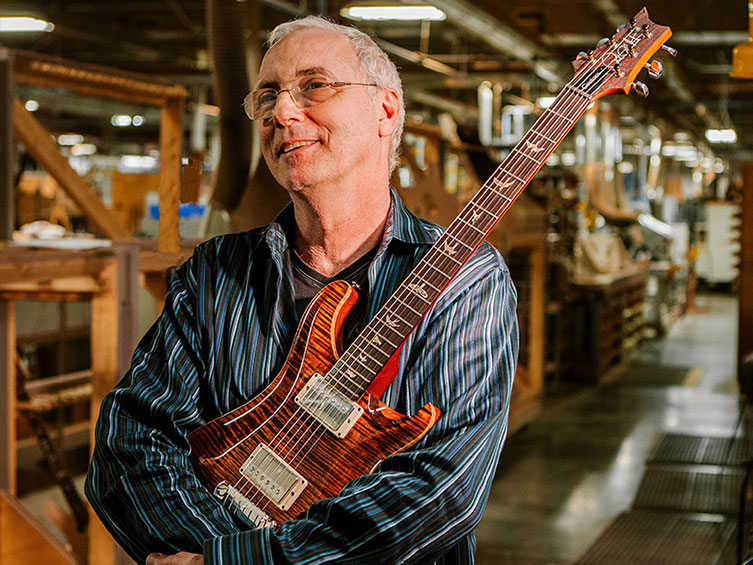
Below is a detailed look at the evolution of the PRS SE lineup—from its unexpected beginnings to its current position as one of the most respected guitar series in the world.
The Beginning: Carlos Santana Challenges Paul Reed Smith (2000–2001)
By the late 1990s, PRS Guitars had earned a reputation for producing high-end American instruments built in Maryland. Their Core models were admired by professionals around the globe but remained financially out of reach for many young players.
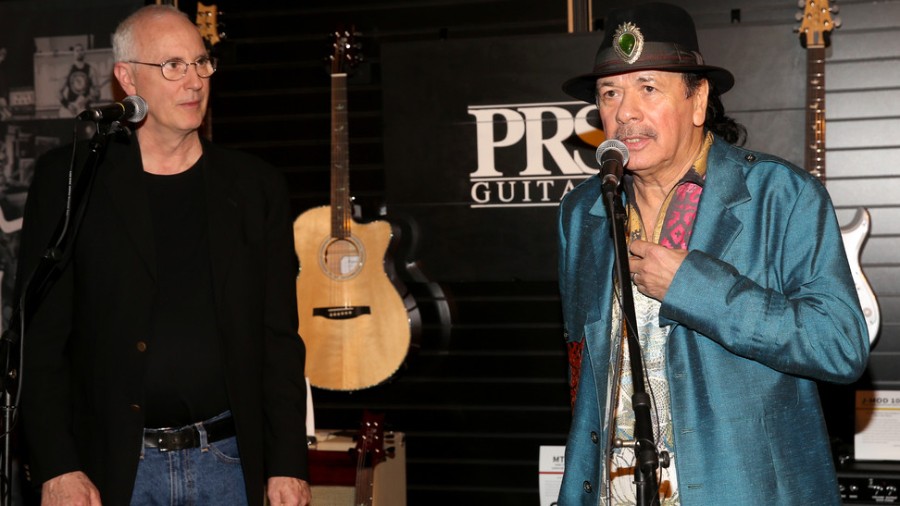
The idea of creating a more affordable PRS was not initially Paul Reed Smith's own. Instead, it came from one of the company's most influential artists—legendary guitarist Carlos Santana.
According to company history, Santana approached Paul Reed Smith with a direct request. Young fans attending his concerts dreamed of owning a guitar like his but simply couldn't afford one. He encouraged Paul Reed Smith to create an instrument that would capture the character of a PRS while remaining attainable for students and beginning musicians.
Paul Reed Smith agreed—but only under one important condition. The new guitars would never become cheap imitations. Instead, they would carry the same philosophy of quality and playability that defined every PRS instrument. The new lineup became known as SE, meaning Student Edition.
The First Generation: The Korean Years at World Musical Instrument (2001–2013)
In 2001, the very first PRS SE Santana debuted during the NAMM Show, marking the official launch of the new series.
Production was established in South Korea at World Musical Instrument Co. (WMI) in Incheon. At the time, WMI had already developed an excellent reputation for manufacturing instruments for numerous major guitar companies.
To keep retail pricing within approximately $500–700, several compromises had to be made compared to American-built PRS models.
Early PRS SE guitars featured:
- flat-top mahogany bodies instead of the signature carved violin top;
- simple dot or slash fingerboard markers instead of the famous bird inlays;
- headstocks displaying the model name, such as "Santana SE," rather than Paul Reed Smith's own signature.
These differences intentionally preserved the exclusivity of the premium Maryland-built guitars while allowing new players to experience the PRS design philosophy at a much lower price.
Early Difficulties—and an Unexpected Rescue
The project nearly ended before it truly began.
Many longtime PRS enthusiasts questioned whether introducing affordable imported guitars would damage the company's premium reputation. Initial sales failed to meet expectations, and Paul Reed Smith reportedly considered discontinuing the entire project.
Unexpectedly, the greatest supporters of the SE series became guitar teachers across the United States.
Teachers quickly recognized that these instruments arrived with excellent neck geometry, reliable tuning stability, proper scale length, and consistent factory setup. Instead of spending lesson time correcting poorly built beginner guitars, instructors could immediately focus on teaching music.
Word spread rapidly among educators and students alike. As recommendations increased, demand for PRS SE instruments grew dramatically, effectively saving the series from cancellation.
The Second Generation: More PRS DNA (2010–2016)
During the following decade, manufacturing quality at WMI improved significantly, allowing PRS to reduce the visual differences between imported and American-made instruments.
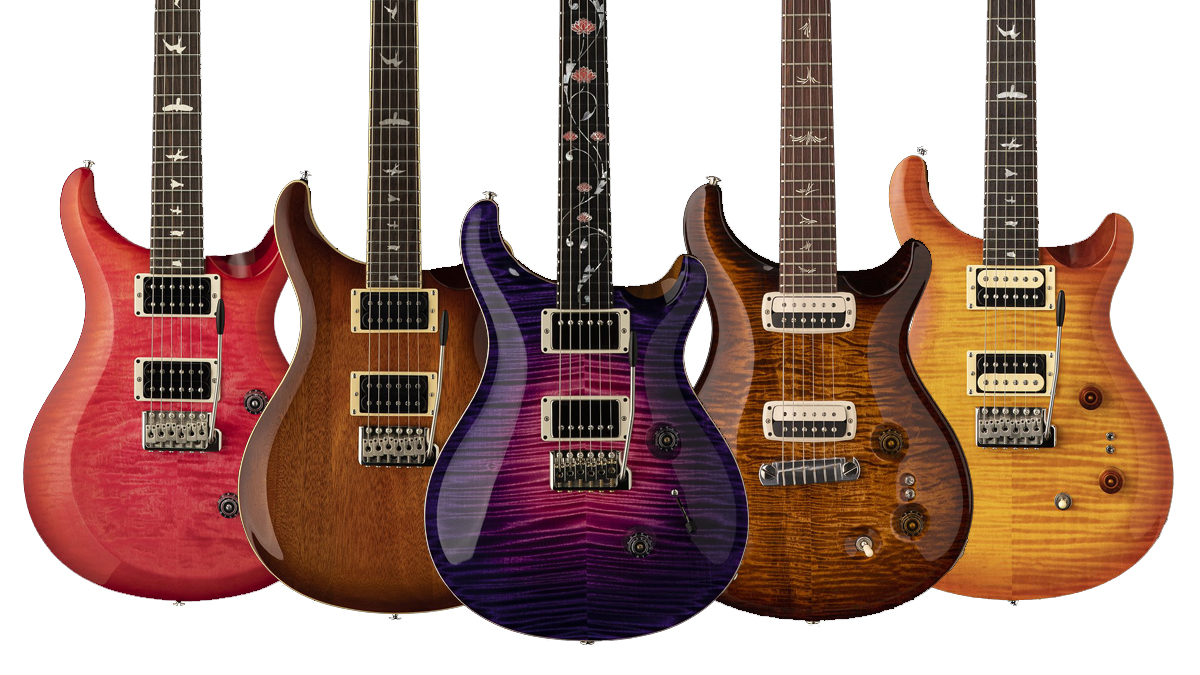
One of the biggest advancements arrived in 2012 with the introduction of the beveled top.
Although still less complex than the carved violin tops used on Core models, the new beveled design created a far more three-dimensional appearance that closely resembled classic American PRS guitars.
Another milestone was the introduction of the iconic bird inlays.
Once reserved exclusively for premium American instruments, the famous flying birds eventually became standard features on many SE models, making them visually much closer to their higher-end counterparts.
The Third Generation: Moving Production to Indonesia (2017–Present)
By 2017, manufacturing costs in South Korea had increased substantially. To keep the SE line affordable without sacrificing quality, PRS began transferring production to Indonesia.
The company's new manufacturing partner became Cor-Tek (Cort), one of the world's largest guitar manufacturers.
Rather than simply licensing production, PRS worked closely with Cort to establish a dedicated Indonesian factory built specifically for manufacturing PRS SE guitars.
The collaboration extended far beyond construction.
Management teams from PRS, including Chief Operating Officer Jack Higginbotham, introduced comprehensive cross-training programs. Employees from Maryland regularly visited Indonesia, while Indonesian staff traveled to the United States to study PRS production methods firsthand.
Every improvement was aimed at maintaining consistent quality across the entire product line.
One exception involves the SE Hollowbody models. Because these semi-hollow instruments require specialized wood-pressing techniques, they are produced at another dedicated Cor-Tek facility located in China.
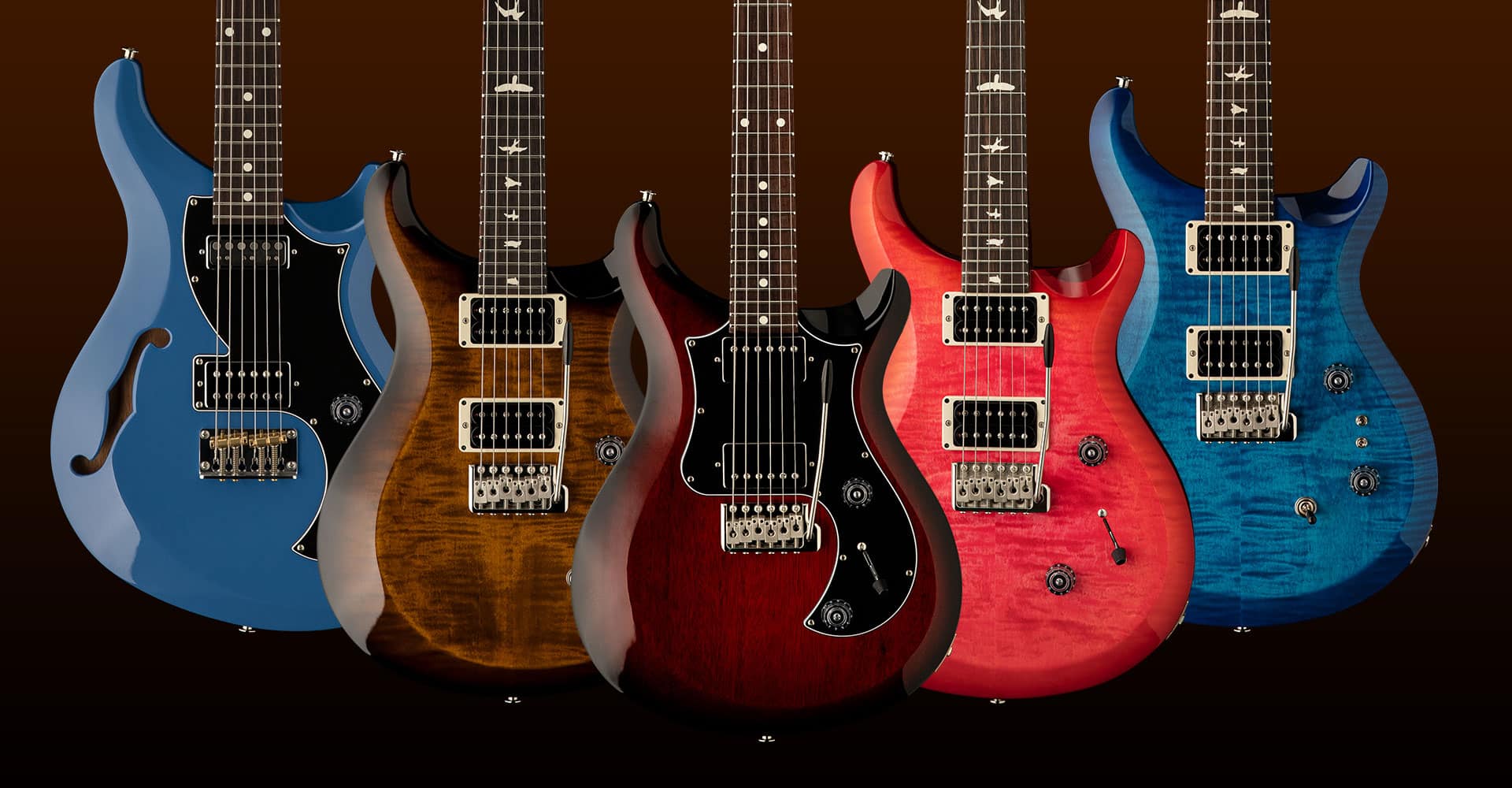
A Major Identity Shift: The Signature Headstock (2017)
One of the most symbolic moments in PRS SE history also arrived in 2017.
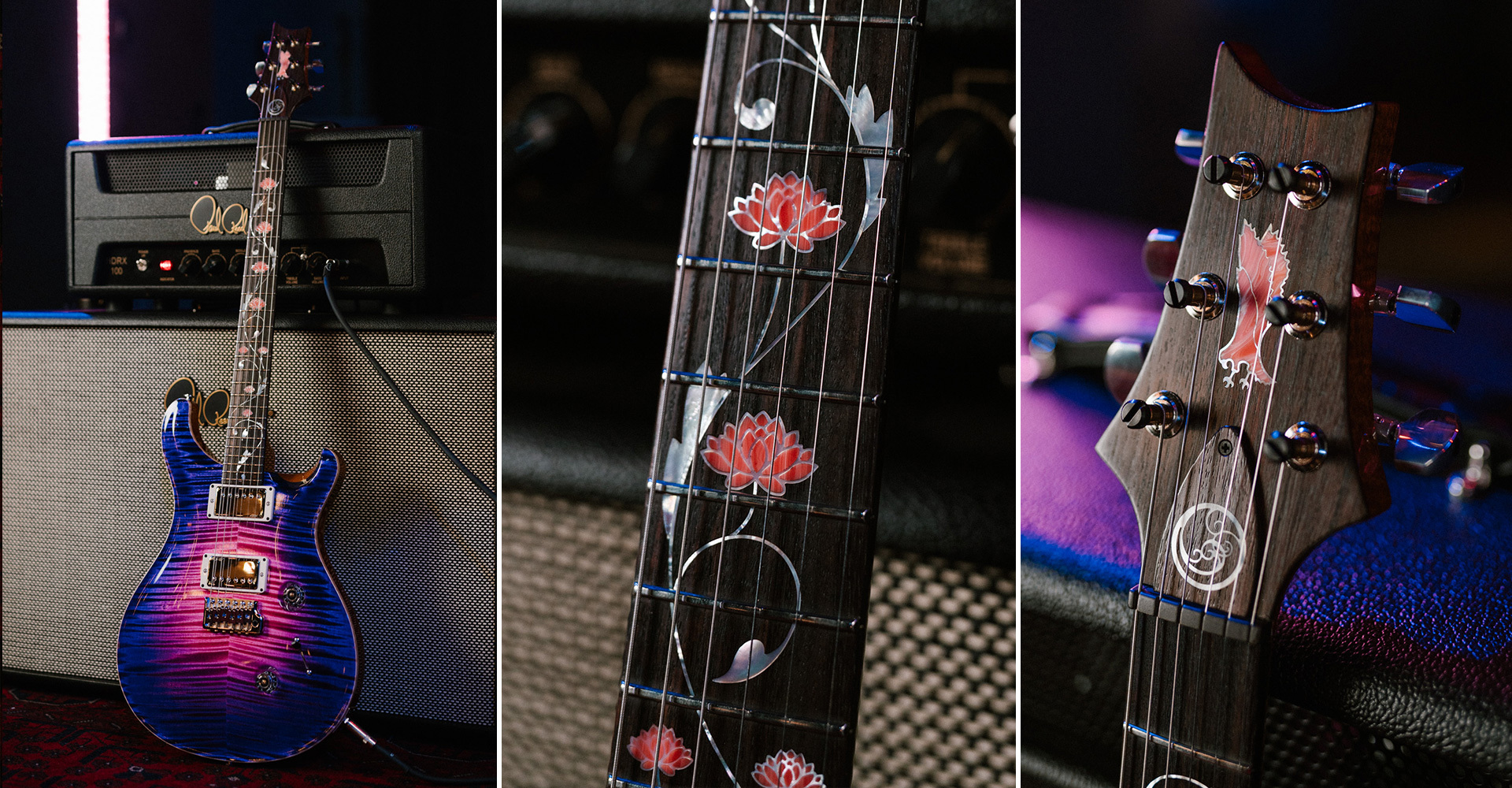
Confident that the imported instruments had reached the quality standards expected from the brand, Paul Reed Smith approved a complete redesign of the headstock.
The earlier small lettering disappeared.
In its place appeared the large handwritten Paul Reed Smith signature already used on American-made models, while the "SE" designation became a much smaller detail.
For many players, this change represented something much larger than a cosmetic update.
It confirmed that PRS SE was no longer viewed as a compromise or an entry-level substitute—it had officially become a full member of the PRS family.
Today: Signature Models, Innovation, and Worldwide Success (2022–2026)
The modern PRS SE lineup has grown far beyond its original purpose.
Rather than serving as affordable versions of the Custom 24, today's range includes more than twenty different instruments covering solid-body electrics, semi-hollow models, hollowbody guitars, acoustics, and numerous artist signature editions.
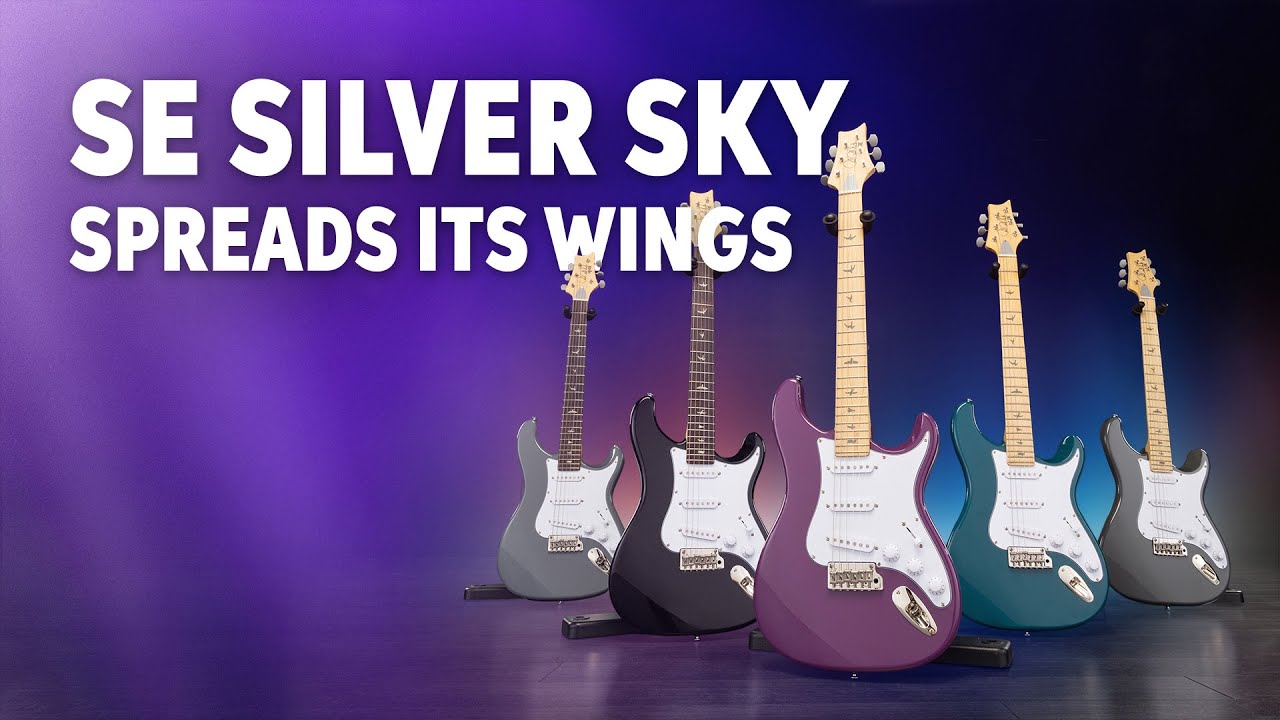
A defining milestone came in 2022 with the release of the PRS SE Silver Sky, developed in collaboration with John Mayer.
The model quickly became one of the company's biggest commercial successes, proving that internationally recognized artists were fully confident in releasing signature instruments manufactured within the SE series.
The lineup has continued expanding with sophisticated instruments such as the SE DGT created with David Grissom, SE Piezo models featuring onboard piezo systems, and CE models equipped with bolt-on neck construction.
The Legacy of the PRS SE Series
The greatest achievement of the PRS SE series extends far beyond affordable pricing.
What originally began as a Student Edition has become the primary working instrument for thousands of professional touring musicians around the world.
By combining consistent quality control, continual product development, close international manufacturing partnerships, and the same design philosophy that built the reputation of PRS Guitars, the SE lineup permanently changed expectations for what an imported guitar could be.
More than two decades after its introduction, the PRS SE family stands as proof that outstanding craftsmanship and professional performance are no longer limited to premium American-made instruments—and that expanding access to great guitars can have a greater impact on the music world than producing only exclusive, high-priced models.

