

🔥 How Paul Reed Smith pitched his guitars to Kramer and Yamaha — and accidentally built PRS history
Feb. 9, 2026, 9:15 a.m.
When everyone said no:
“Al Di Meola would call Yamaha and other companies and say, ‘I think you need to pay attention to what’s going on here,’” recalls Paul Reed Smith, reflecting on the early days that would eventually give rise to PRS as we know it today.
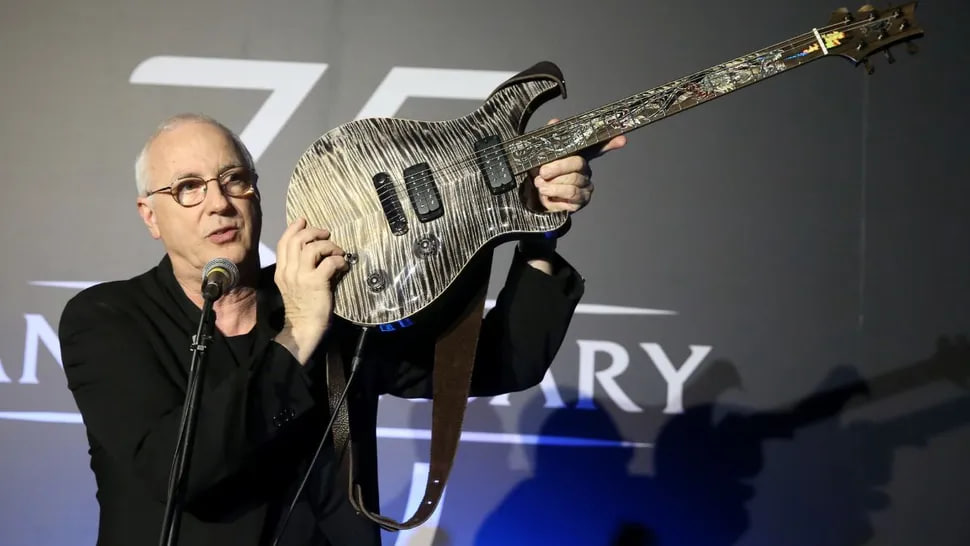
Before launching his own company, Paul Reed Smith had a very different plan in mind. In a candid conversation with Zak Kuhn, he revealed that his original intention was not to start an independent brand, but to design guitars for established manufacturers.
At the start of the discussion, Smith invites his interviewer to “come out swinging,” and Kuhn wastes no time. He asks directly whether Smith really pitched a guitar to Kramer, and whether the initial strategy involved selling PRS designs to other companies.
“That was absolutely the idea,” Smith confirms. “At the time, Kramer was one of the biggest guitar companies in the world, and the Floyd Rose tremolo was their hallmark. So I had to build a prototype they would take seriously — with a Floyd installed.”
During its peak years, Kramer ruled the shred scene, largely thanks to its close association with Eddie Van Halen. Smith believed that partnering with established brands would be a smarter move than striking out on his own.
“I went to Ovation, I went to Yamaha, I went to almost everyone and asked, ‘Do you want to do this?’” he continues. “One guy told me, ‘I like the locking tuners — you’ll do well with that.’ And I said, ‘That’s not what I’m trying to do!’ That’s when we realized we’d have to do it ourselves.”
A true self-starter, Paul Reed Smith spent his early years building guitars by hand and waiting outside arenas for a chance to put one into the hands of a major artist. Two of his earliest supporters were Carlos Santana and Al Di Meola, which only strengthened his belief in his designs.
“I was honestly shocked,” he says of the repeated rejections. “I thought we had something special. I had Carlos Santana, Al Di Meola, and Howard Leese endorsing my guitars. And Al Di Meola was actively trying to help me. He would call Yamaha or other companies and say, ‘You really need to pay attention to what’s happening here.’”
Still, every attempt ended the same way.
“I wasn’t accepted by Yamaha or Kramer — the offers were either nonexistent or weak,” Smith explains. “If I was going to make enough money to put my kids through college, I had to earn a living. Carlos Santana and Al Di Meola playing my guitars was a big deal, and I truly believed my ideas were valid.”
He recalls another telling moment:
“I remember Walter Cronkite, of all people, coming into my shop while I was trying to get him to invest. He said, ‘I don’t know — I just sold a guitar company.’ Then I realized he was on the CBS board and had just sold Fender. At that point, I knew I couldn’t ask him again.”
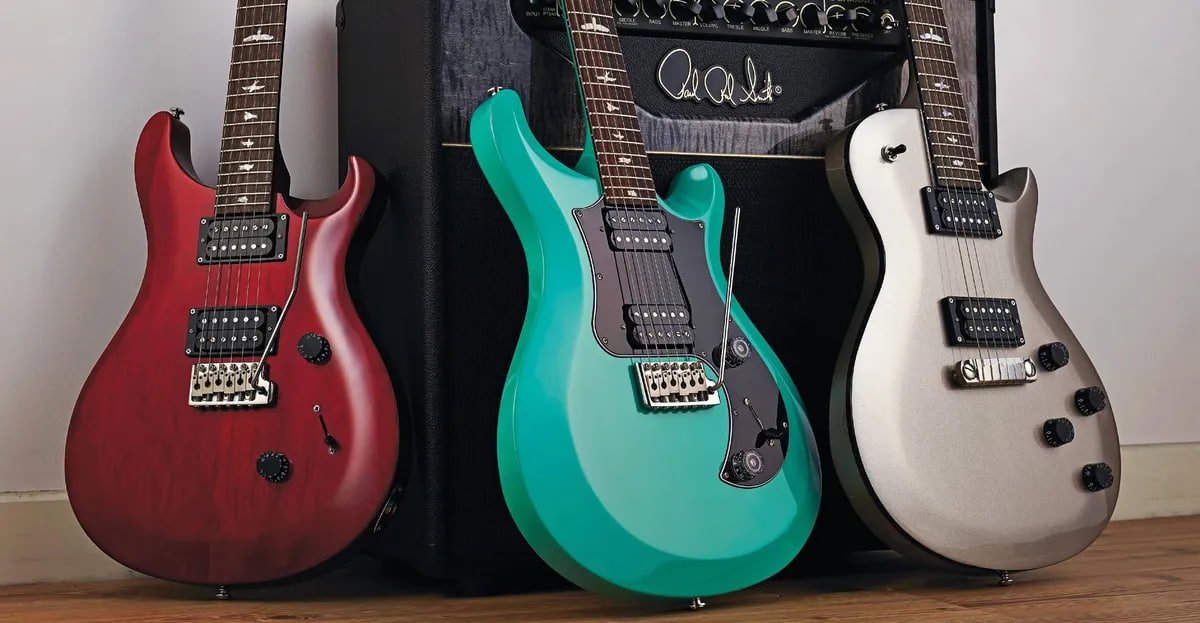
Despite his original intentions and relentless determination, Paul Reed Smith ultimately had no choice but to go solo. Forty years later, PRS is thriving. John Mayer’s Silver Sky stands as one of the most successful signature guitars of recent years, Herman Li has been recruited from Ibanez, and the company continues to release highly competitive sub-$1,000 instruments.
Meanwhile, Kramer, Fender, and Yamaha are left to wonder what might have been.

