

The Song That Saved Radiohead: How “Creep” Changed Everything
May 6, 2026, 9:15 a.m.
With over 40 million monthly listeners on Spotify, Radiohead remain one of the most influential rock bands on the planet. Their breakout single Creep, now approaching 3 billion streams on the platform, continues to stand as their most recognizable and enduring track.
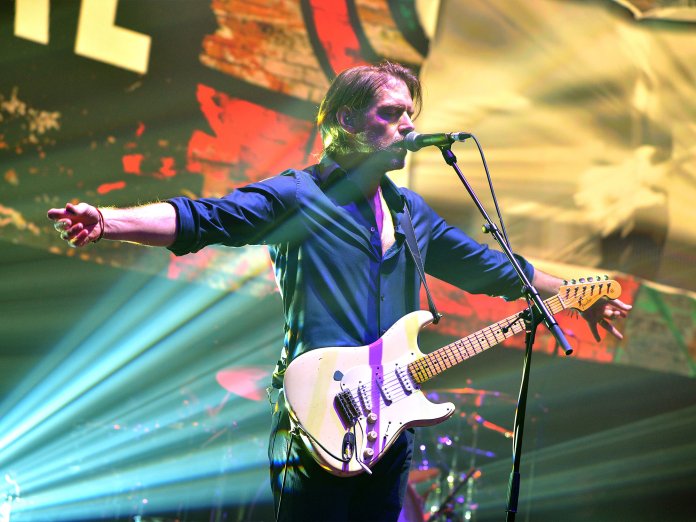
In a recent interview with Uncut, guitarist Ed O’Brien reflected on just how crucial that song was to the band’s survival. According to him, without its massive success, Radiohead might not have had a future at all.
When asked about the point in their career where they truly felt they had created something artistically unique, O’Brien pointed to The Bends:
“You could clearly hear our influences on Pablo Honey, but The Bends was much broader. Just look at how the album flows — it opens with Planet Telex and closes with Street Spirit. Two completely different moods — one powerful and sonically playful, the other deeply emotional.”
He continued:
“We knew the first album had its flaws, and Creep carried a lot of that weight. If it hadn’t been such a big hit, there’s a real chance we wouldn’t have been given the opportunity to make another record — the label might have dropped us.”
Despite its success, the band themselves have a complicated relationship with the song. They rarely perform it live, and frontman Thom Yorke has openly expressed his dislike for it in the past, even going as far as dismissing it rather bluntly on stage.
There’s also a well-known anecdote involving guitarist Jonny Greenwood, who reportedly added harsh, abrasive guitar bursts to sabotage a recording — though the producer ultimately kept them in the final mix.
Another standout track from that era, Fake Plastic Trees, has its own fascinating backstory. Thom Yorke was inspired to write it after watching Jeff Buckley perform live.
“That show reminded me of a vulnerable side of myself that I had been trying to suppress,” Yorke later explained.
Initially, he recorded the song alone, unsure whether it should even be released:
“It felt too personal — like I was exposing too much of myself.”
Recording the track proved to be a long and exhausting process, made even more intense by pressure from EMI, who hoped it would replicate the success of Creep.
Yorke later described the sessions as:
“an absolute nightmare.”
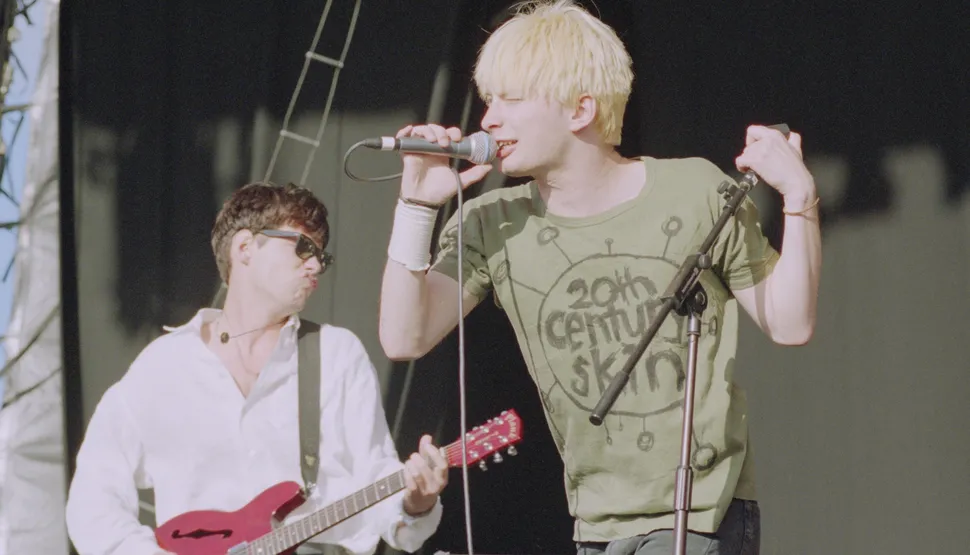
Meanwhile, Ed O’Brien recalled that at one point, the song sounded overly grandiose — comparing it to November Rain by Guns N’ Roses.
In the end, what helped define the song’s character was actually a mistake:
“The engineer missed a cue, so the electric guitars came in late. It wasn’t intentional, but we decided to keep it,” Yorke explained.
That delayed surge of sound became one of the track’s most powerful features.
Yorke also admitted that hearing the final version for the first time was overwhelming:
“When you’re recording, you’re not fully aware of yourself — it’s almost like meditation. Then you hear it back, and it’s like seeing yourself clearly for the first time.”
Although Radiohead are known for avoiding their biggest hits in live performances, recent tours have seen them reintroduce songs like Fake Plastic Trees and Let Down more frequently — especially during their European shows, their first major run since 2018.
Interestingly, Fake Plastic Trees wasn’t initially the hit EMI had hoped for. But three decades later, it has found a lasting place in music history — proving that sometimes, true impact just takes time.

