

How John Lennon’s Framus Hootenanny Became a 1960s Icon
Dec. 21, 2025, 9:15 a.m.
🎸 The story of the Framus Hootenanny 12-string is one of the most fascinating chapters in Beatles history. Once just a modest acoustic instrument, it eventually helped define the sound of the mid-’60s and became a treasured tool for artists like The Animals, The Rolling Stones — and, most famously, John Lennon.
A New Direction for the Beatles
When Help! was released in August 1965, it revealed a very different version of The Beatles. Their fifth album — and second film soundtrack — leaned heavily toward acoustic textures and introspective songwriting.
This shift was largely inspired by the band’s meeting with Bob Dylan in America. After introducing them to marijuana, Dylan urged John and Paul to write more meaningful lyrics rather than sticking to their boy-meets-girl formula. His influence pushed the band into a more mature, thoughtful creative phase.
Lennon Discovers His Future Classic
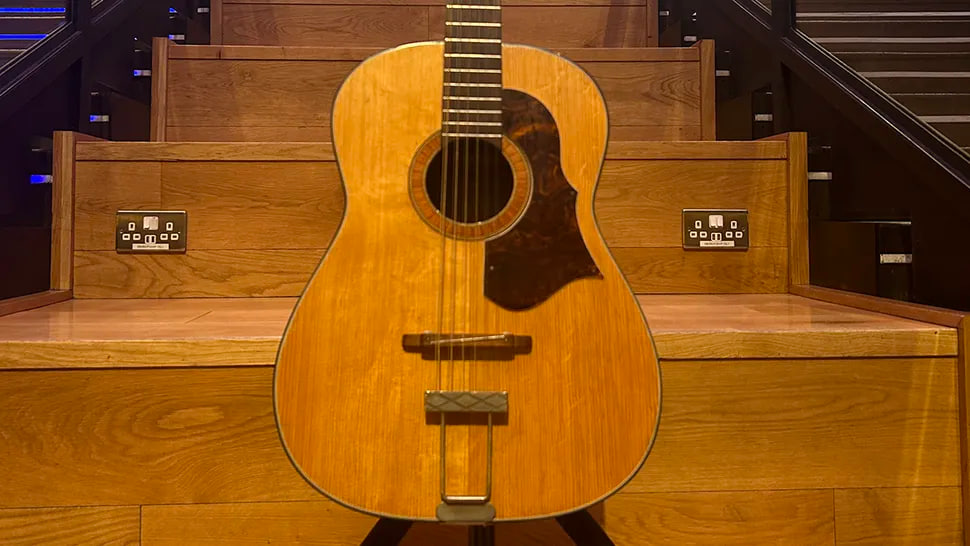
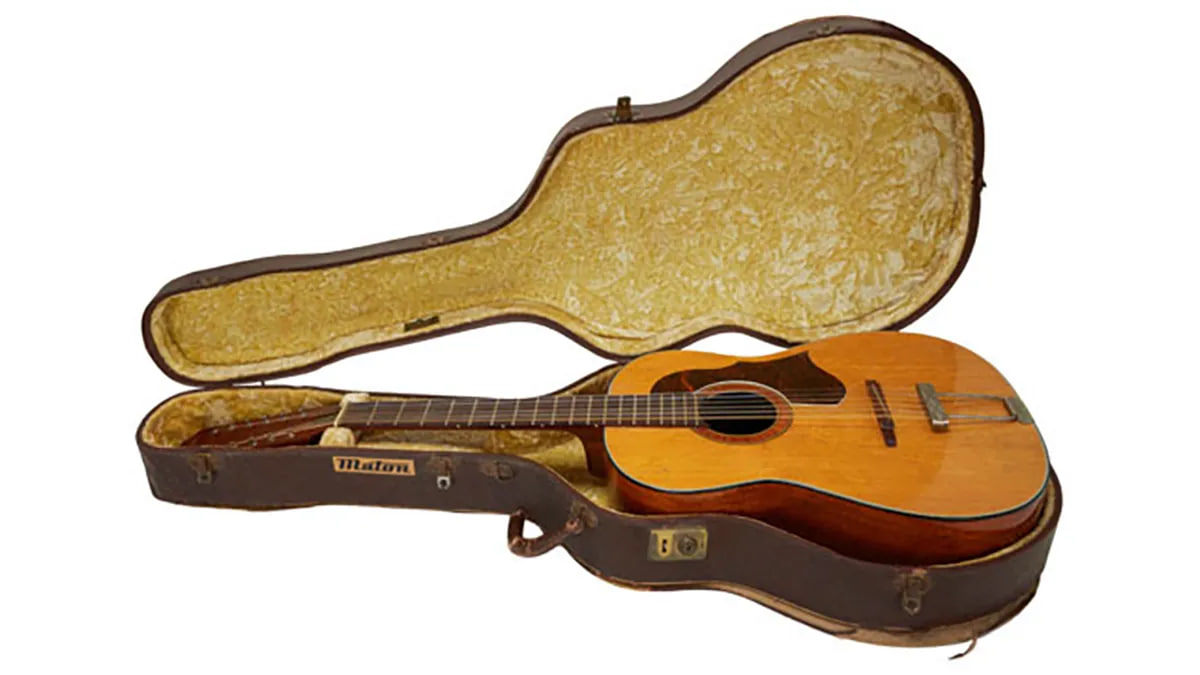
Shortly after returning to London, Lennon purchased what would become one of his most recognizable acoustic guitars: the Framus Hootenanny 12-string. It originally came paired with an Australian-made Maton case — a detail that later helped authenticate it.
The Beatles already owned American acoustics, including:
-
Gibson J-160Es (John & Paul)
-
Paul’s Epiphone Texan
Despite having access to top-tier American brands like Martin, Lennon surprisingly gravitated toward the German-made Framus. He loved its tone, how it blended with George Harrison’s Gibson, and the convenience of its adjustable bridge — a major advantage over fixed-bridge acoustics with high 1960s action and heavy strings.
Framus in the British Invasion
The brand was already well-established among British musicians:
-
McCartney’s very first guitar was a Framus Zenith
-
Bill Wyman famously played a Framus Star Bass
-
Groups like The Animals and The Herd regularly used Framus instruments
A Key Ingredient in the Beatles’ Mid-60s Sound
The Hootenanny appeared throughout Help!:
-
“You’ve Got To Hide Your Love Away” — played by both Lennon and Harrison
-
“It’s Only Love” — Lennon’s delicate acoustic foundation
-
“Help!” — the main rhythmic drive
It continued into Rubber Soul:
-
“Girl” — Lennon with a capo at the 7th fret
-
“I’ve Just Seen A Face” — Harrison’s rhythmic support
-
“Norwegian Wood” — more of the Hootenanny’s sparkling character
Lost for Decades — Then Rediscovered
At the end of 1965, Lennon gifted the guitar to Gordon Waller of Peter & Gordon. Eventually, Waller passed it on to his manager, who stored it in his attic — where it remained forgotten for decades until its rediscovery, still inside the same Maton case.
How Experts Confirmed It Was Lennon’s
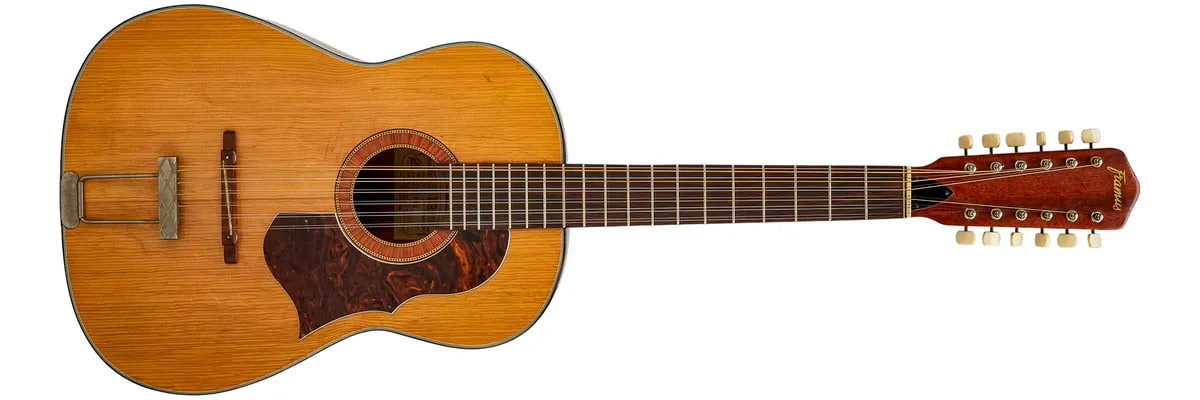
When Julien’s Auctions prepared to sell the guitar, they consulted Beatles gear authority Andy Babiuk. He authenticated the instrument — Framus 5/024 Hootenanny, serial #51083 — using:
-
detailed wood-grain patterns
-
specific top features
-
the distinctive swirl of its faux-tortoiseshell pickguard
Restoring a Legend
Years of attic storage took a toll, leaving Julien’s with a choice: display it as a relic or restore it. They opted for restoration and hired Ryan Schuermann of LA Guitar Repair.
He completed:
-
a neck reset
-
top repairs
-
heat-straightening the bridge
-
fret restoration
After careful work, the guitar looked stunning, played beautifully, and produced the same shimmering tone heard on the original Beatles recordings.
The Auction That Made History
On May 29, 2024, an anonymous buyer purchased the Hootenanny for $2,857,500 — the highest price ever paid for a guitar owned by a Beatle.
If Paul’s recently rediscovered Höfner bass is valued around £10 million, one can only imagine what collectors might pay for:
-
his Epiphone Texan used on “Yesterday”
-
Lennon’s Gibson Casino from Get Back
-
Harrison’s psychedelic “Rocky” Strat
A Piece of History You Can Still Own
Many Beatles instruments have modern reissues, and now that Framus has revived the Hootenanny, fans can experience a piece of musical history without spending a fortune.

