

David Gilmour: why the Pink Floyd legend chose melody over speed — a perspective that reshapes guitar playing
April 23, 2026, 9:15 a.m.
The name David Gilmour of Pink Floyd has long been synonymous with emotion, depth, and musical honesty. Even though he is widely regarded as one of the greatest guitarists of all time, he openly speaks about his limitations — and that honesty is exactly what makes his style so distinctive.
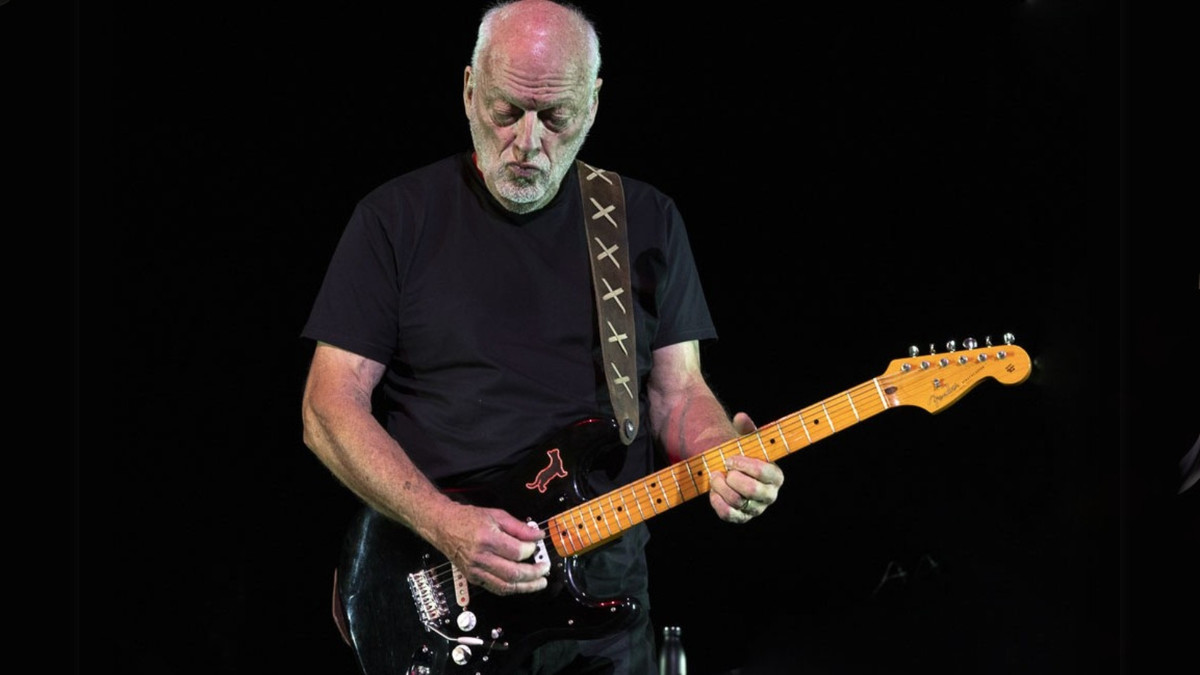
Why speed isn’t everything in guitar playing
Fast playing is not a requirement for greatness. David Gilmour is a perfect example — his style is built not on speed, but on emotion, space, and melody.
In a recent interview with YouTuber Rick Beato, Gilmour shared his thoughts candidly:
“I wasn’t gifted with enormous speed on the guitar… When I was younger, I thought I could get that if I practiced enough, but it just wasn’t ever going to happen.”
A conscious choice: depth over speed
Rather than chasing something that didn’t come naturally, Gilmour focused on what he did best. He was drawn to melodic artists, especially bands like The Shadows, known for their instrumental clarity.
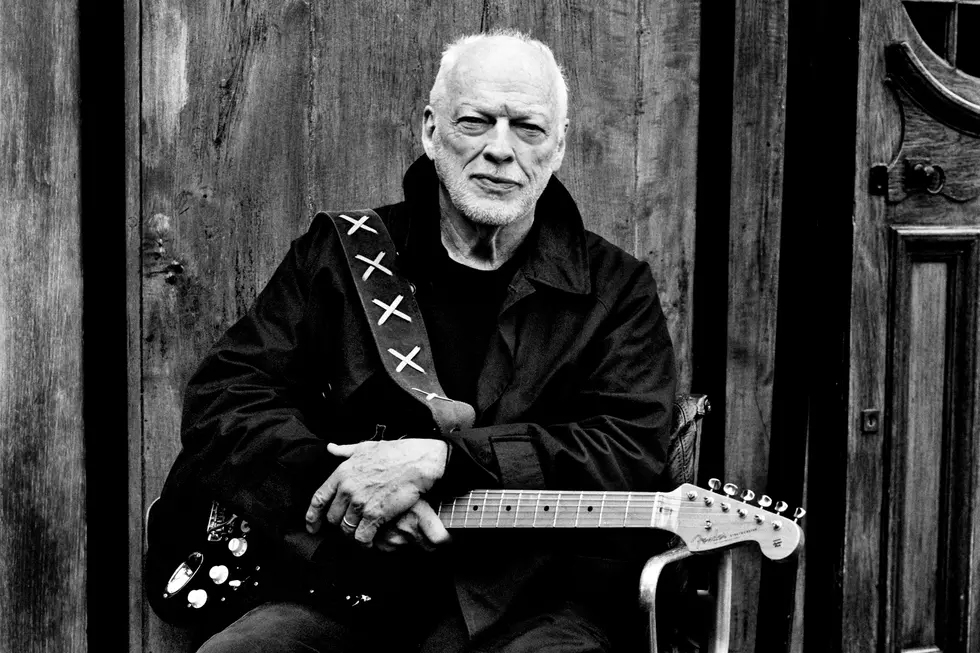
He explains:
“Back in the ’60s, The Shadows were just playing melodies. I think that’s where I come from. I just want to play a nice tune!”
This philosophy became the foundation of his unmistakable tone.
Live performance: when music takes on a life of its own
Even carefully crafted songs can transform on stage. Gilmour admits that the intensity of live performance can reshape the music entirely:
“When you’re on stage with 150 dB blasting and leaning into that wall of sound, the tunes can change…”
In these moments, solos become spontaneous and alive.
Long solos and the magic of the moment
According to Rick Beato, extended guitar solos are a core part of a true rock show. Gilmour approaches this with humor:
“Sometimes I think, ‘God, I’m going on too long… time to stop!’ I actually have no idea how long these things last. I just play until I feel like maybe it’s time to end.”
This instinctive approach makes every performance unique.
The “Gilmour Effect”
Despite his humility, fans deeply connect with his playing. Rick Beato even coined a term:
“I call it the Gilmour Effect. No matter which guitarist I feature, there are always hundreds of comments saying they prefer your playing!”
It’s a clear reminder that emotion often outweighs technical speed.
What’s next for Gilmour
Following the release of Luck and Strange earlier this year, there’s more to come. Gilmour confirmed plans to return to the studio with his wife and lyricist Polly Samson:
“Polly Samson and I intend to get back to work as soon as we can.”
A philosophy of space and expression
Many guitarists use speed to fill space. David Gilmour does the opposite — he leaves space intentionally.
He understands both how to play and how not to play.
Silence and single notes carry immense weight in his style.
While speed can be developed with discipline,
emotion cannot be taught by a metronome.
Roots in blues and expressive playing
Gilmour openly admits:
“I wasn’t particularly gifted at fast playing. When I was younger, I thought I could learn it through practice, but it just wasn’t meant to be.”
In his early years, he studied blues deeply, drawing inspiration from legends like Eric Clapton, Jimi Hendrix, and Howlin’ Wolf.
He was also influenced by masters such as Peter Green and B.B. King, whose music was never about speed.
Through blues, Gilmour learned to:
- value every single note
- develop expressive vibrato
- use silence as a powerful musical tool

