

Rethinking the Acoustic Guitar: How Emerald Guitars Put Players First with Carbon Fibre Innovation
April 26, 2026, 9:15 a.m.
An unconventional beginning
Unlike many leaders of long-established guitar brands, Emerald Guitars founder Alistair Hay entered the world of acoustic instruments from a completely different background. His earlier career in Formula 1 powerboat racing made him a leading expert in carbon fibre technology.

The idea to build guitars from this material came to him in 1999 while waiting for a delayed flight. Flipping through a guitar magazine, he wondered what would happen if carbon fibre expertise could be applied to acoustic instruments.
Breaking the “wood-only” tradition
Acoustic guitars are traditionally made from wood, as their tone depends heavily on resonance and vibration. While alternative materials have been explored in electric guitars, acoustics have remained more resistant to change.
However, Hay points out a key similarity between racing boats and guitars: both rely on controlled flexibility and vibration rather than pure rigidity.
Bold design and innovation
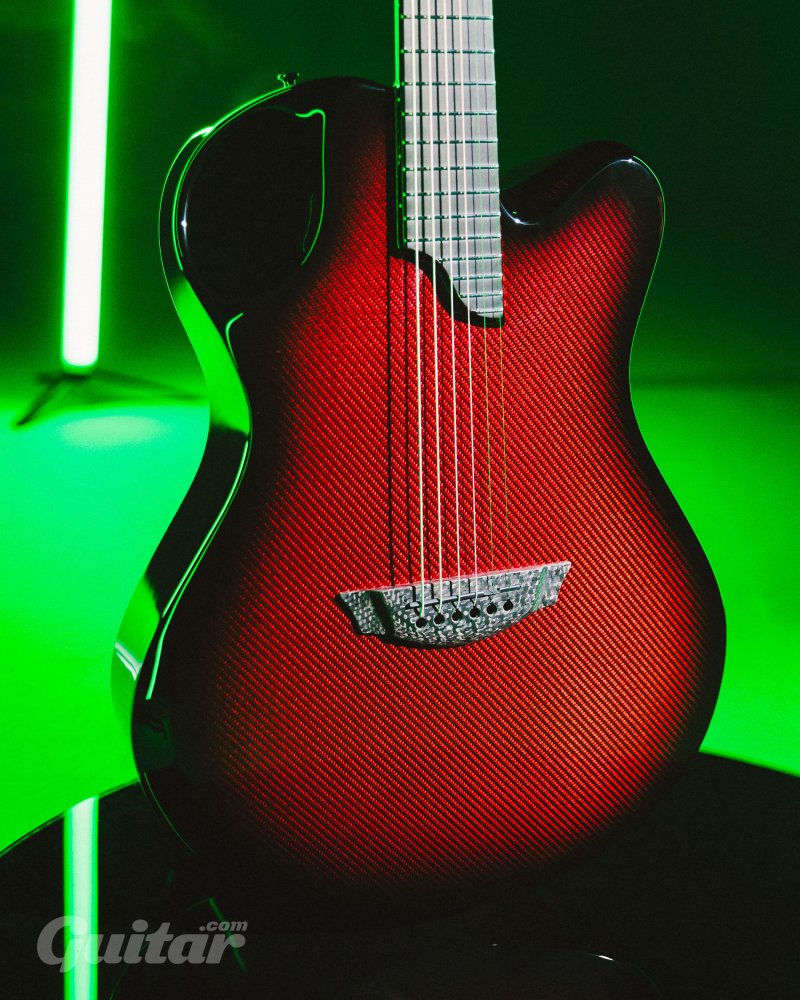
From its workshop in Ireland, Emerald Guitars has built a reputation for creating visually striking instruments that would be nearly impossible to produce using wood.
Signature design elements include:
- ergonomic body contours
- bevelled edges
- offset soundholes
These distinctive instruments have gained significant attention on social media platforms in recent years.
Crafting the sound
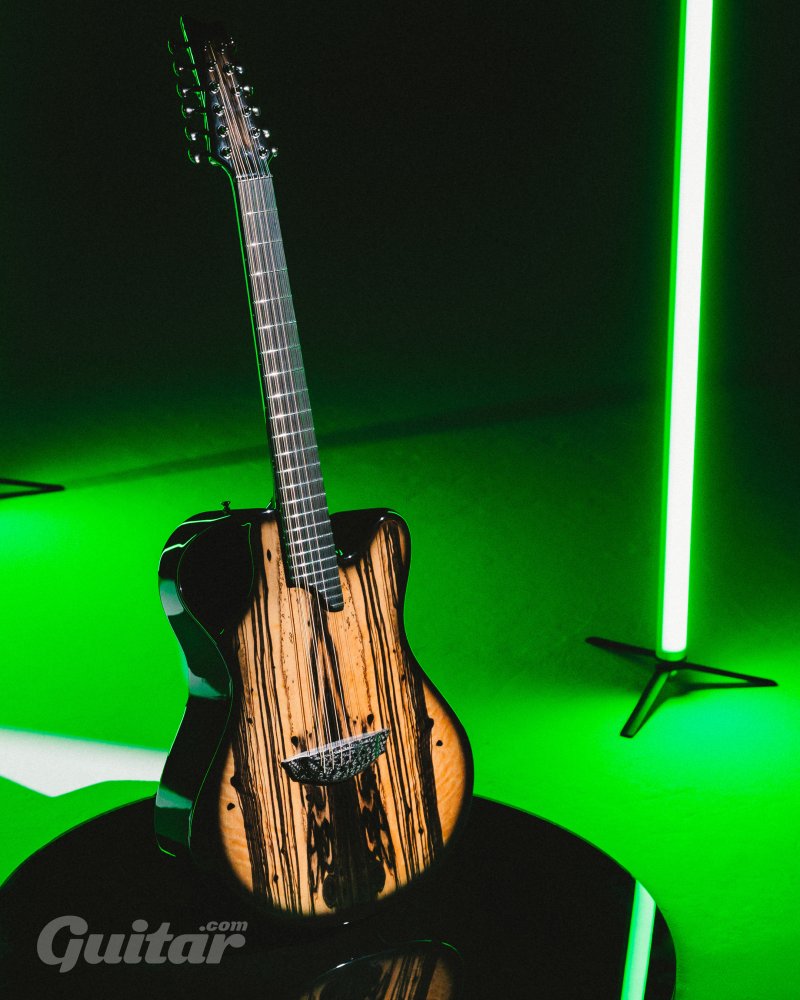
While the visual aspect is important, tone remains central. Early development involved extensive experimentation to avoid an artificial or overly synthetic sound.
Today, Emerald’s tonal philosophy focuses on:
- clarity
- warmth
- richness
- projection
The offset soundhole innovation
One of the brand’s defining features is the repositioned soundhole, placed closer to the player’s ear.
Initial traditional designs were not commercially successful, but the introduction of the X20 model marked a turning point. It embraced the strengths of carbon fibre rather than copying traditional wooden designs.
Ergonomics at the core
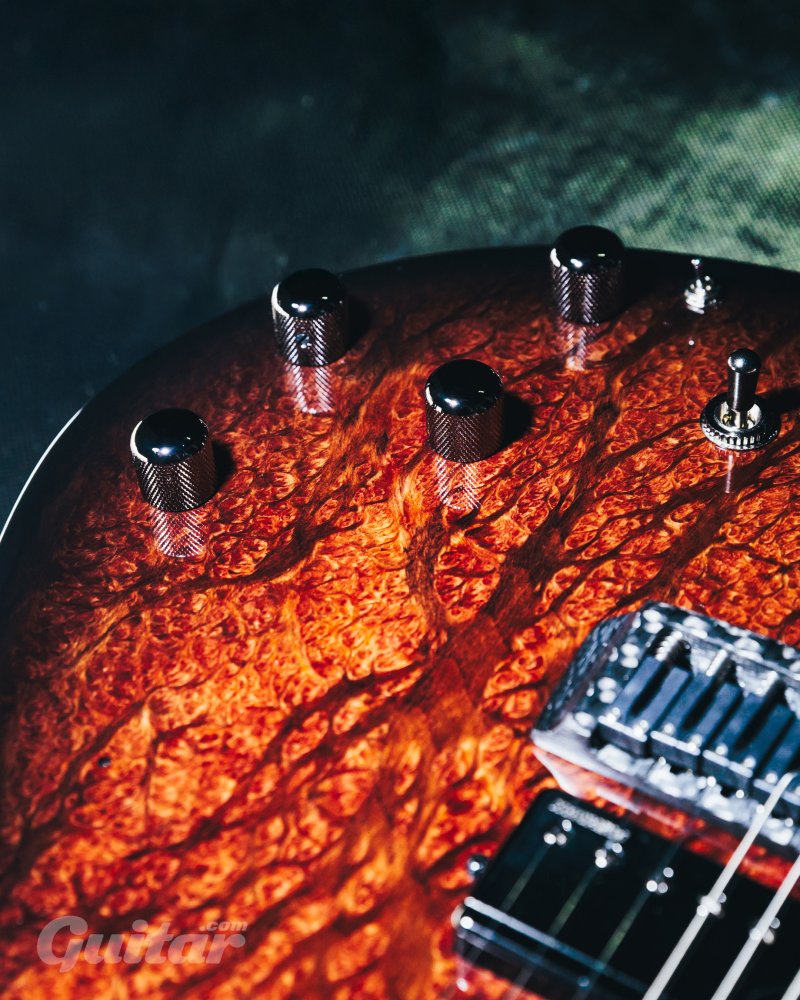
What truly sets Emerald Guitars apart is its player-focused design philosophy.
The instruments are shaped to fit the body more naturally, offering:
- enhanced comfort
- improved playability
- a more intimate connection with the instrument

A different approach to construction
Traditional acoustic guitars rely on internal bracing. Carbon fibre guitars do not require this.
Instead, Emerald controls the stiffness of the soundboard by layering carbon fibre in different configurations, allowing for precise tonal shaping and consistency.
Blending carbon and wood aesthetics
Despite its modern materials, the company incorporates visually stunning wood veneers such as:
- cocobolo
- ziricote
- royal ebony
- quilted maple
These are placed on the top of the guitar for visual impact without affecting tone.
Creative collaboration with players
Customers play an active role in shaping the designs. According to Alistair Hay, players who choose carbon fibre instruments often think more creatively, leading to unique and inspiring builds.
Conclusion
The story of Emerald Guitars demonstrates how innovation can redefine tradition.
Carbon fibre doesn’t replace wood — it expands the possibilities.
And most importantly, it places the player’s comfort and creativity at the center of the instrument’s design.

