

The truth about "Gear Acquisition Syndrome"
Jan. 8, 2026, 9:15 a.m.
GAS Explained: When Buying Music Gear Turns Into Gear Acquisition Syndrome
Almost every musician knows the rush that comes with buying new gear. A fresh guitar, pedal, amp, or plugin can instantly spark excitement, expand creative possibilities, and inspire new sounds. Your brain rewards you with a surge of dopamine — a chemical “thank you” for doing something that feels good. Modern marketing is expertly designed to trigger exactly this response, promising that next hit of inspiration and satisfaction.
At its core, expanding your rig isn’t a bad thing. Musicians need tools, and shaping a personal sound is an essential part of the creative journey. But it’s worth pausing to ask an honest question: is the purchase intentional, or purely emotional? Do you really need another effects pedal when several already sit unused? Is that high-end studio compressor or vintage amp truly necessary, or simply desirable?
When purchases are driven primarily by emotion rather than need or logic, you may be dealing with GAS — Gear Acquisition Syndrome. The term was first coined in 1996 by Steely Dan guitarist Walter Becker. Interestingly, GAS sounds like “gas” in English, humorously translating to “bloating,” which perfectly reflects the feeling of excess accumulation.
Although GAS is often joked about in forums and blogs, scientific research confirms that this pattern of behavior is very real. Previous articles and a detailed study by Jan-Peter Herbst and Jonas Menze from the University of Huddersfield explore how musicians consume instruments and music technology — and where things can spiral out of control.
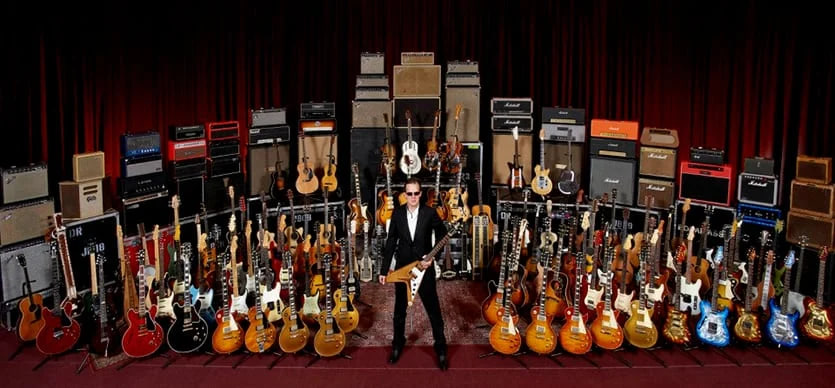
What Is GAS?
Breaking the term down explains the concept clearly:
- Gear — instruments, effects, plugins, studio equipment
- Acquisition — purchasing
- Syndrome — a behavioral pattern
GAS is not about sensible or necessary purchases. It refers to compulsive buying of gear that isn’t truly needed.
How Can You Recognize GAS?
The syndrome can manifest in different ways. A good starting point is self-reflection: how often do you buy gear, and how essential is it really? If you notice a pattern of frequent purchases that aren’t required for work or creativity — especially if those items spend most of their time unused — this may be a warning sign.
When buying starts to feel compulsive or uncontrollable, it’s important to take the situation seriously and seek help. There’s no shame in that. Because compulsive behavior can cloud self-awareness, trusted friends or colleagues may sometimes notice the issue before you do — and gently pointing it out can be helpful.
What Is Not GAS?
Not every emotional or impulsive purchase qualifies as GAS. Researching a specific sound, reading reviews, testing gear, and making a considered decision is completely normal. Likewise, buying equipment because a new job requires it is not GAS.
Even the occasional irrational purchase doesn’t equal addiction. Treating yourself from time to time is perfectly okay. Awareness is the key difference.
It’s also important not to trivialize GAS with jokes. For those genuinely affected, humor can minimize a serious issue.
A Brief Detour: What Is a Compulsive Disorder?
From a medical perspective, a compulsive disorder involves an internal urge to repeat certain thoughts or actions, regardless of whether they make logical sense. People often recognize the behavior as unnecessary or distressing but struggle to stop. The boundary between normal and disordered behavior can be subtle and fluid.
Professional Support for GAS
If professional help is needed, psychotherapists, psychiatrists, or clinical psychologists are appropriate points of contact. Speaking with a trusted person can also be a valuable first step. What matters most is being heard by someone who takes the issue seriously — not someone who laughs it off.
What Fuels GAS?
We live in a culture of constant consumption and nonstop advertising. Signature gear videos, artist endorsements, music store visits, and recommendations from friends all fuel the desire for more.
Useful questions to ask yourself include:
- Am I fully using the gear I already own?
- Do I already have something that does the same job?
- Am I focused on making music — or just acquiring equipment?
Gear is ultimately a means to an end. Music is the goal. Chasing equipment costs time and money that could otherwise be invested in practice, writing, recording, or financial stability.
How Can You Prevent GAS?
Preventing GAS requires discipline, self-awareness, and a willingness to change habits. The most effective tool is self-reflection. Avoid impulse buys, give yourself time to think, sleep on decisions, and discuss potential purchases with fellow musicians.
Alternatives to buying new gear include:
- buying used equipment,
- trading gear,
- renting instruments,
- exploring your existing setup more deeply.
Limitations often encourage creativity. Rearranging pedals, experimenting with unconventional signal chains, or using gear in unexpected ways can unlock entirely new sounds.
GAS — Final Thoughts
The reality is that some musicians genuinely suffer from GAS, and the topic deserves respect. Engaging with gear is part of being a musician, and enjoying equipment is perfectly natural. However, keeping track of purchases and recognizing unhealthy patterns is essential. With awareness, balance, and care, it’s possible to maintain a healthy relationship with both music and the tools that help create it.
“It is impossible to grasp the infinite” — everyone remembers this saying, except for amateur collectors. On the contrary, each of them, to the best of their ability, racks their brains over how to grasp this infinite.

