

Positive Grid Spark Neo: The Wireless Guitar Headphones That Make You Want to Play More Than Ever
June 8, 2026, 9 a.m.
The guitar gear market is constantly introducing new products designed to make practice easier and more enjoyable. However, only a handful genuinely change a player's routine. The new Positive Grid Spark Neo appears to be one of those rare products, encouraging guitarists to pick up their instruments more often and stay engaged longer.
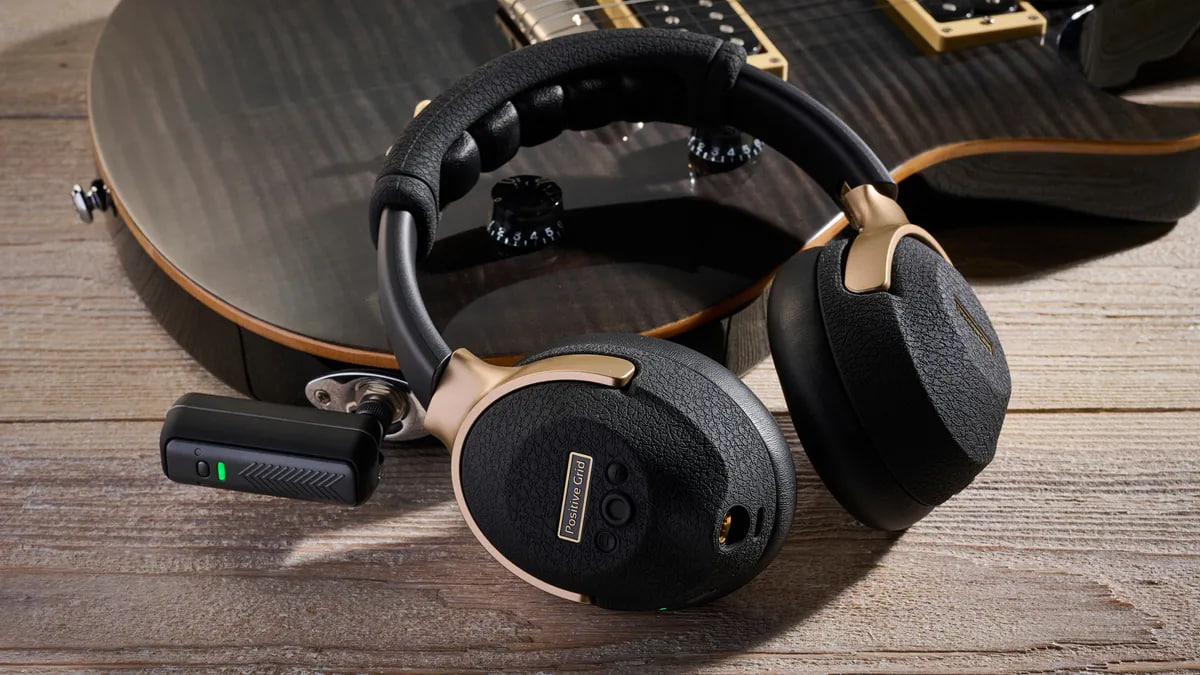
Positive Grid recently unveiled the Spark Neo, a dedicated wireless headphone-based guitar practice system.
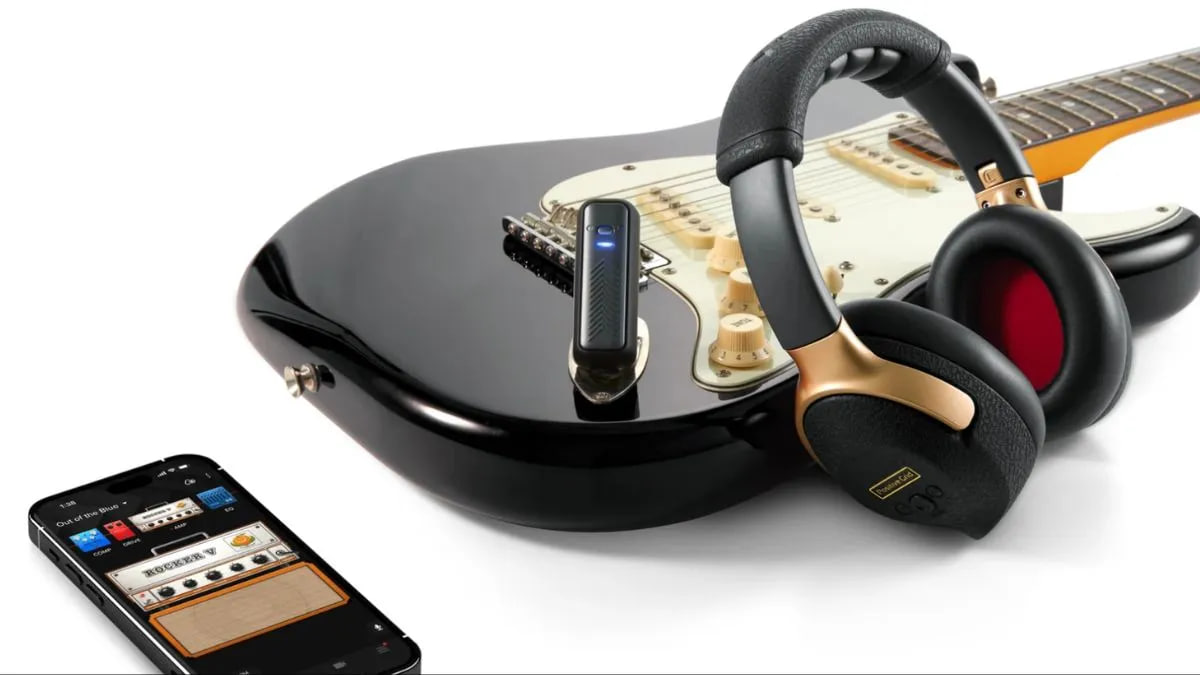
The package includes specially designed headphones, a 2.4GHz wireless transmitter, and the company's Spark app for iOS and Android. This software platform delivers amp modeling, effects processing, and a range of intelligent practice tools that have helped the Spark ecosystem become one of the most successful smart-amp platforms in recent years.
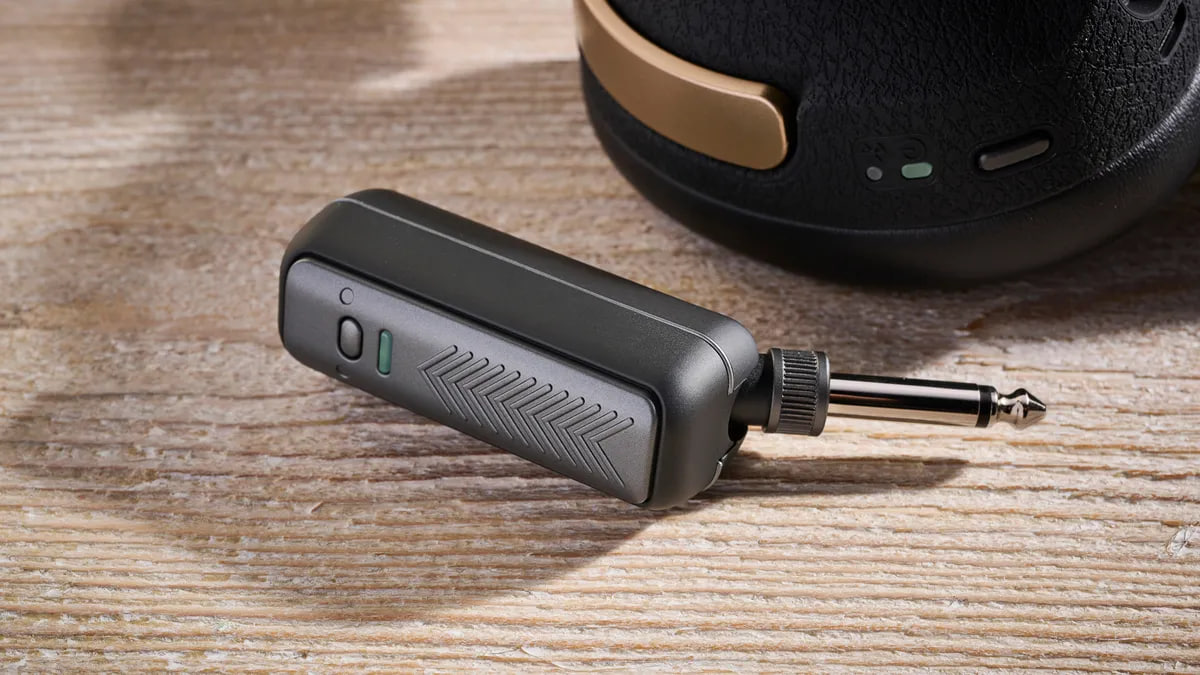
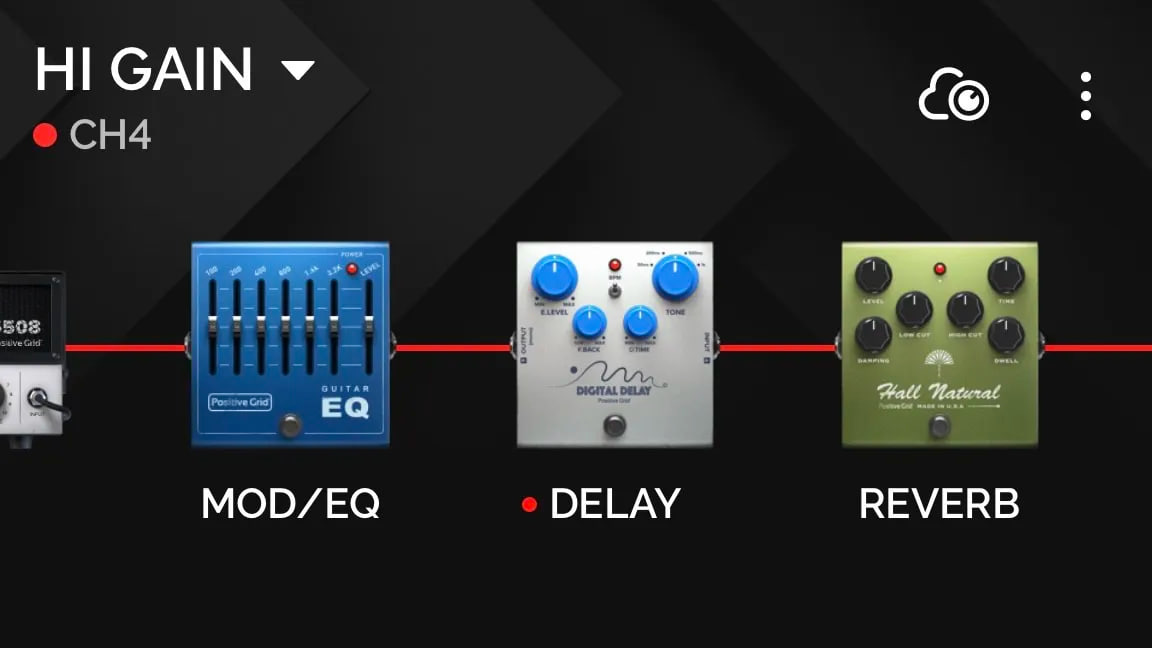
The Spark Neo offers a completely wireless experience and up to six hours of playing time on a single charge. Through the Spark app, users gain access to 33 amplifier models, 43 effects, thousands of tone presets, and a variety of smart practice features. Four favorite presets can even be stored directly inside the hardware for use without opening the app.
For players unfamiliar with the Spark ecosystem, the concept is simple yet highly effective. To date, Positive Grid has released several core Spark products, including the Spark 40, Spark 2, Spark Mini, and Spark Go. All of them share the same software foundation: the Spark app, which runs on mobile devices and connects wirelessly to compatible hardware.
The app provides expected features such as amp and effect modeling, preset management, and signal-chain customization. However, it also includes numerous learning and practice tools designed to help musicians improve more efficiently.
Users can stream music and backing tracks directly through the platform, record social-media-ready videos with processed guitar audio, and access more than 100,000 user-created presets through ToneCloud.
Among the standout features is Auto Chords, which analyzes streamed music and automatically generates chord charts to simplify learning songs.
Smart Jam listens to your playing and creates backing tracks that match both the harmony and style of your performance. Spark AI takes things even further by generating custom presets from simple text prompts, including artist names, song titles, genres, or descriptive tonal requests.
The reviewer openly admits that he is far from a traditionally trained guitarist. His playing style developed through years of self-teaching, combining experience, intuition, and a fair share of bad habits.
Rather than spending hours practicing exercises with a metronome, he has always preferred jamming along with songs or creating original riffs.
Growing up during the guitar-driven music explosion of the 1990s, he found himself inspired by musicians such as Kurt Cobain, Noel Gallagher, Billie Joe Armstrong, and John Frusciante. Instead of chasing extreme technical virtuosity, he gravitated toward rhythm playing, where memorable riffs often matter more than flashy solos.
That background made the arrival of Spark Neo especially intriguing. Could this be the product that finally encouraged more disciplined practice?
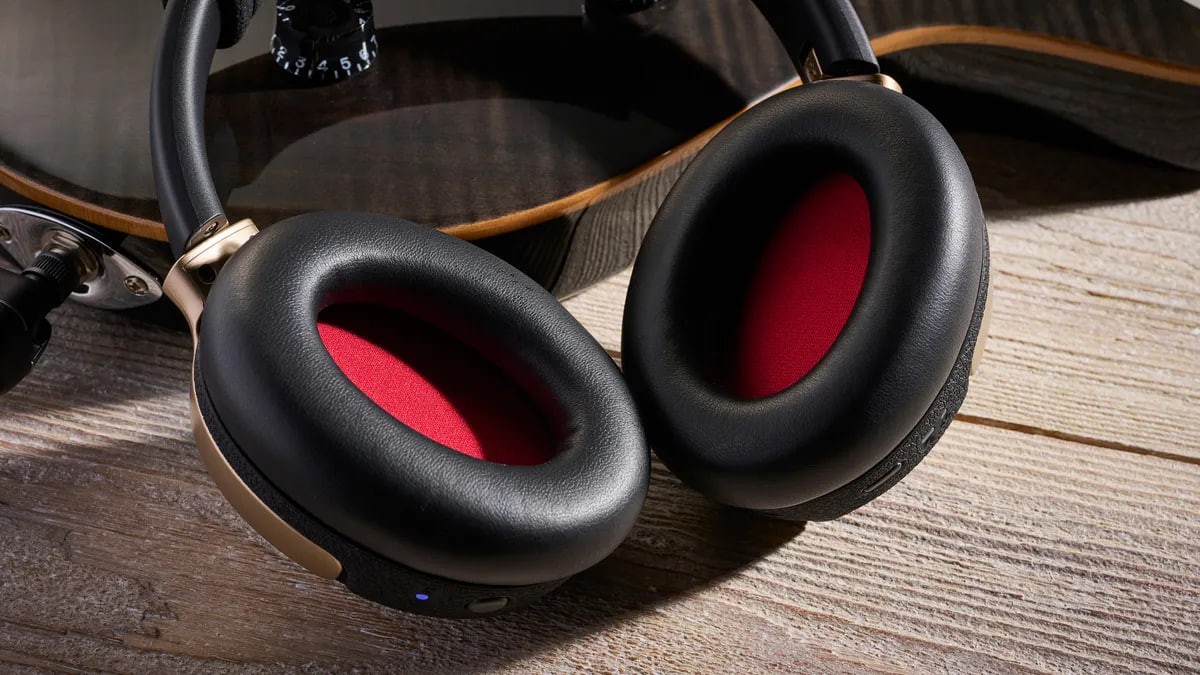
At the heart of the system are the headphones themselves. They feature Bluetooth connectivity alongside an integrated receiver for the wireless transmitter, creating a truly cable-free setup. The headphones can also function as standard Bluetooth headphones for everyday listening, although they do not include a microphone for phone calls.
Inside are specially tuned 40mm drivers engineered by Positive Grid to reproduce guitar and bass tones with impressive accuracy.
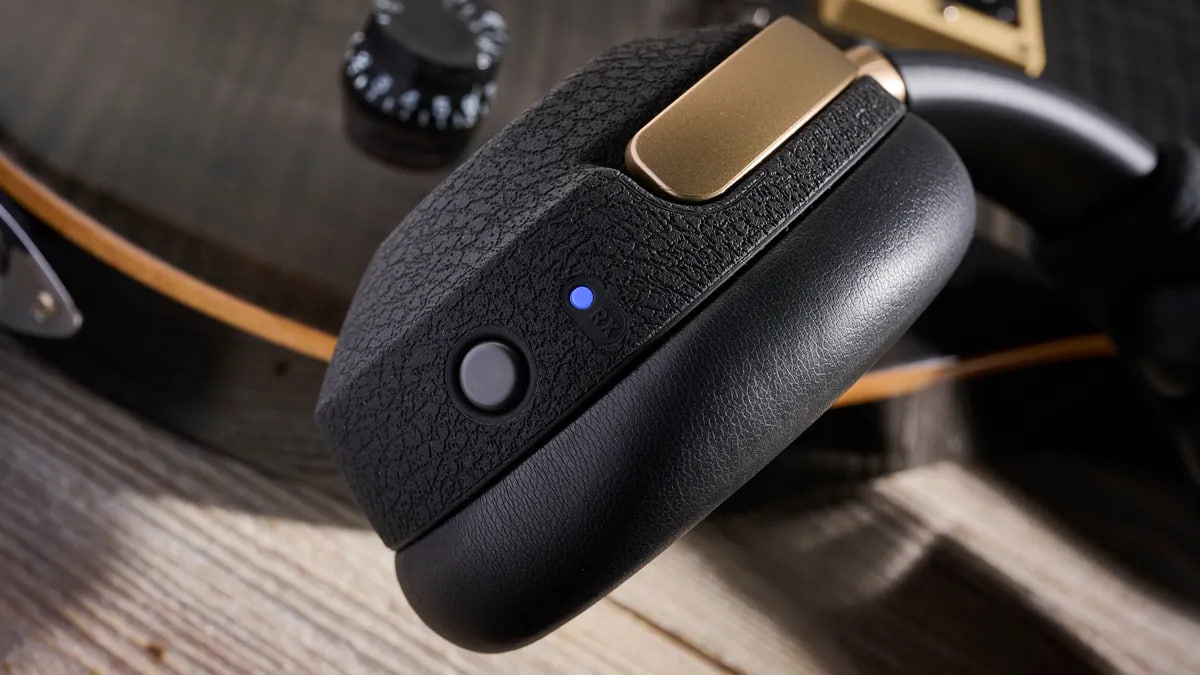
Five external controls handle power, Bluetooth pairing, wireless pairing, volume adjustment, and preset selection. Users can instantly access four stored presets without opening the app.
There is also a traditional quarter-inch input on the right earcup, allowing direct cable connection whenever the wireless transmitter is unavailable.
The included transmitter resembles the Spark LINK system but operates independently. Its wireless range is approximately 3–5 meters and it is not compatible with Spark LINK products.
Like all Spark devices, Neo uses the same Spark app platform. Existing Spark users only need to update the app to gain compatibility.
After receiving the unit several weeks before launch, the reviewer spent significant time exploring its capabilities.
Having reviewed musical equipment for nearly two decades, he has noticed an industry trend toward creating products that attempt to do everything. While versatile, such products often lack a clear focus.
The Spark Neo feels refreshingly different. It is unapologetically designed as a practice tool.
Unlike full amplifiers, multi-effects processors, or computer-based plugins, Spark Neo minimizes distractions and keeps players focused on what matters most: playing guitar.
Although it offers extensive tonal flexibility, the workflow encourages music-making rather than endless tweaking.
This design philosophy becomes especially valuable for players who often practice late at night. Since headphones are already a necessity in many situations, Spark Neo streamlines the process dramatically.
Simply connect the transmitter, pair the headphones and phone, and start playing.
Performance remains stable throughout, with no noticeable signal dropouts, distortion, or latency.
The freedom from cables also means players can move around freely without disconnecting equipment.
Phones can be placed in a pocket or left behind entirely if presets have already been stored. As long as everything is charged, the system is ready to go almost anywhere.
Travelers and musicians frequently away from home may find Spark Neo particularly appealing. The headphones and transmitter occupy minimal space and recharge conveniently via USB-C.
Players familiar with Spark products already know the quality of Positive Grid's amp modeling. Neo includes 33 amplifier models and 43 effects, delivering sounds that often exceed expectations for hardware at this price point.
A major advantage comes from offloading graphical processing and interface duties to the smartphone. This allows more development resources to be invested in sound quality rather than expensive onboard displays.
The reviewer highlights the Crunch preset, based on a Dumble ODS 50-style amplifier, as an immediate standout. The tone felt remarkably authentic and premium.
That quality extends throughout the effects library. Delays sound organic, modulation effects feel rich and detailed, and reverbs deliver spacious, studio-like depth.
Available amplifier models range from classic Marshall and Fender tones to modern high-gain favorites inspired by Mesa/Boogie and Soldano.
Players who prefer not to build sounds from scratch can choose from genre-based preset categories including Pop, Blues, Rock, Metal, Alternative, Bass, and Acoustic.
ToneCloud further expands the possibilities through an ever-growing collection of user-generated presets searchable by artist, song, genre, or playing style.
One particularly impressive aspect is the speed and simplicity of the platform. There are no cumbersome registration procedures, and popular presets are clearly identified.
Spark AI deserves special mention. Users can enter artist names, song titles, genres, or descriptive phrases, and the system generates four custom presets within seconds.
Testing included everything from specific songs to descriptions like "overdriven 80s rock rhythm" and "glassy ambient clean reverb and delay."
In most cases, at least one or two generated tones proved highly usable.
Perhaps the most impressive characteristic of Spark Neo is its immersive nature.
Weighing 360 grams, the headphones strike a balance between durability and comfort. The headband and earcups remain comfortable during long sessions.
Their closed-back design effectively reduces outside noise through passive isolation alone.
The result is a focused environment that encourages deeper engagement with the instrument.
Additional interaction comes through Auto Chords and Quick Jam, both closely integrated with YouTube.
Users can stream original songs complete with automatically generated chord charts, as well as search for backing tracks, guitar-less mixes, and solo-free versions.
Everything works seamlessly without complicated audio routing or extra connections.
Not every Spark feature is available, however. Unlike some other Spark hardware, Neo currently lacks Smart Jam, looper functionality, and integrated video capture.
The reviewer views this as a missed opportunity, particularly given the product's practice-focused design.
Another omission is a dedicated carrying case. While the headphones fold for easier transport, additional protection would be welcome.
Despite these shortcomings, the overall experience remains highly positive.
The Spark Neo is not the first product in this category. Competitors include Boss Waza Air, Fender Mustang Micro, and Boss Katana:GO.
Yet the combination of wireless freedom, simplicity, and Spark ecosystem integration helps Neo stand out.
Even with access to numerous alternative products, the reviewer repeatedly found himself returning to the Neo.
Minor complaints exist, but they never overshadow the core experience.
If the idea of grabbing a guitar and playing within seconds—without dealing with cables—sounds appealing, Spark Neo delivers exactly that experience.
Considering its price is comparable to many premium lifestyle headphones, the value proposition is difficult to ignore.
Ultimately, the Positive Grid Spark Neo may well be the most convenient, immersive, and player-focused Spark product released to date.

