

🔥 How Paul Reed Smith built PRS, the secret celebrity players — and why the internet is wrong about tonewood
Jan. 26, 2026, 9:15 a.m.
How Paul Reed Smith built PRS, the secret celebrity players — and why the internet is wrong about tonewood
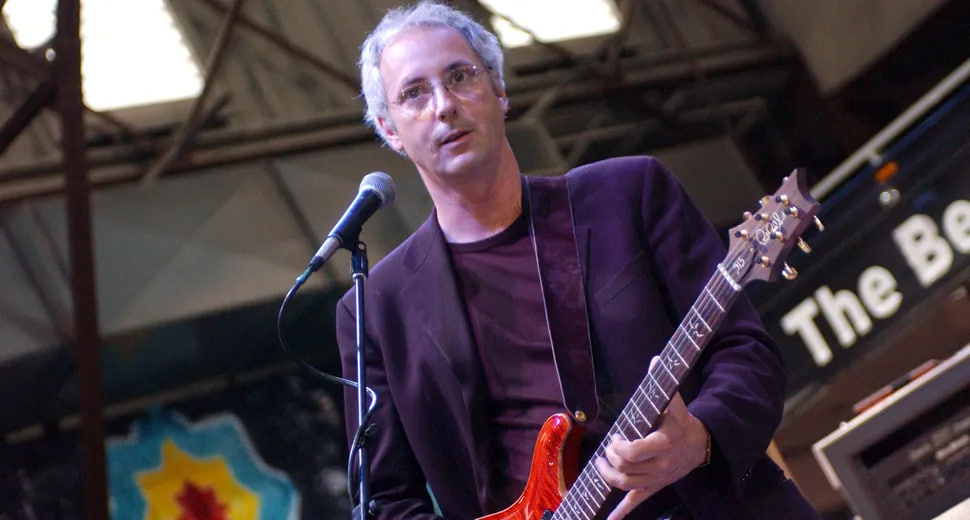
Forty years ago, Maryland native Paul Reed Smith took a leap of faith and started his own guitar company with no idea how it would turn out. Fortunately, he rolled the dice — and won.
Today, he is one of the world’s most respected builders. His instruments embody the ideal of a boutique guitar: flawless craftsmanship, innovation and unmistakable tone.
Early on, he built guitars for Peter Frampton, Al Di Meola and Carlos Santana. After seeing how well his ideas worked for them, he launched PRS at the 1985 NAMM Show with the debut of the Custom 24.
From elite boutique to global powerhouse
Over the decades, PRS has grown into a global force. Signature artists include John Mayer, Orianthi, John McLaughlin, as well as modern metal icons from Alter Bridge, Opeth and Periphery.
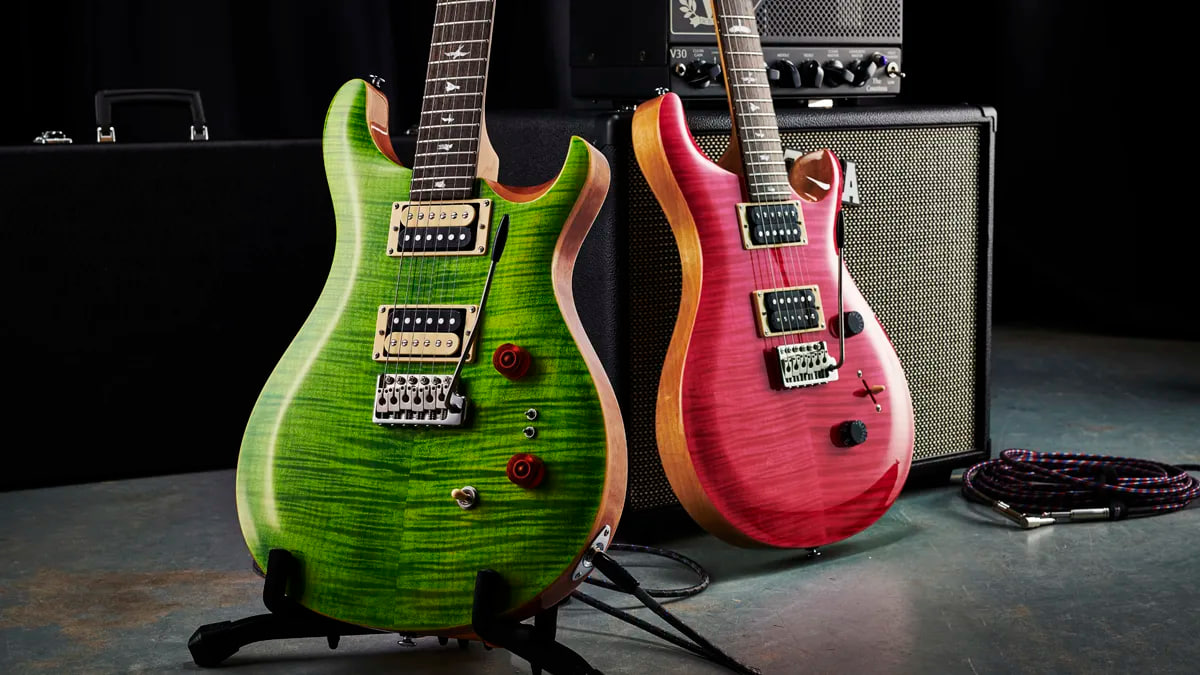
While inspired by classic ’50s formulas, models like the Custom 24 have their own identity:
-
iconic bird inlays
-
stunning flame tops
-
ultra-stable tremolo systems
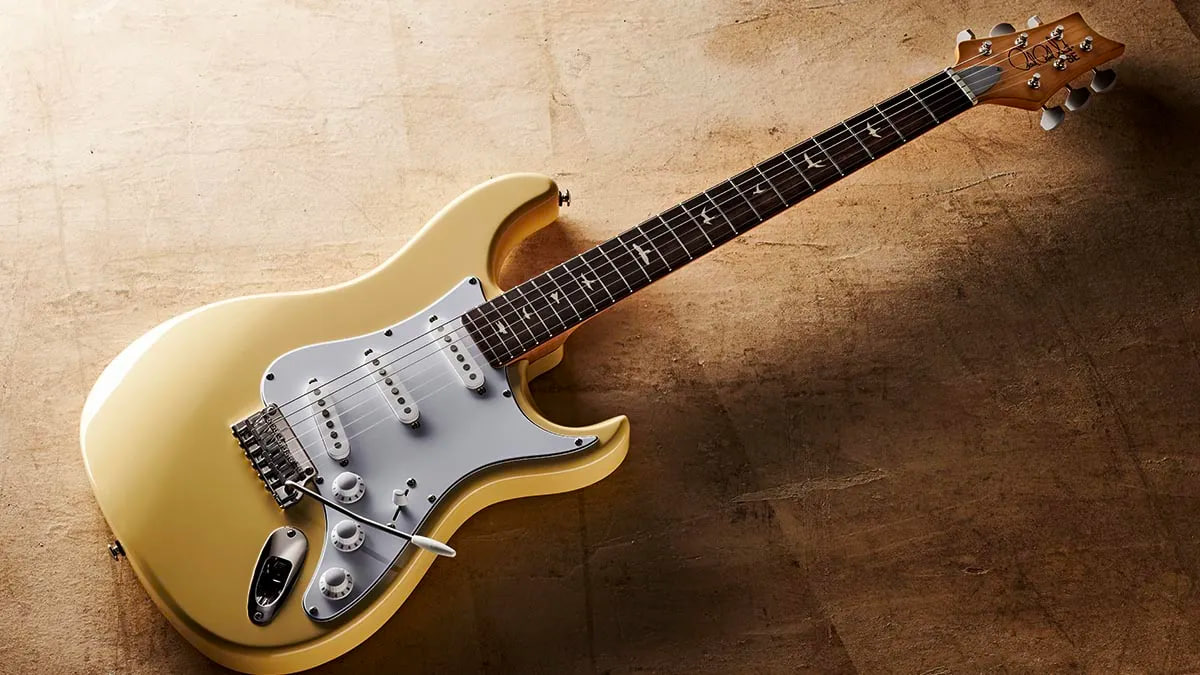
For years, U.S.-made Core models were seen as guitars for doctors and lawyers. That changed in 2001 with the launch of the SE Santana — bringing PRS quality to the mainstream.
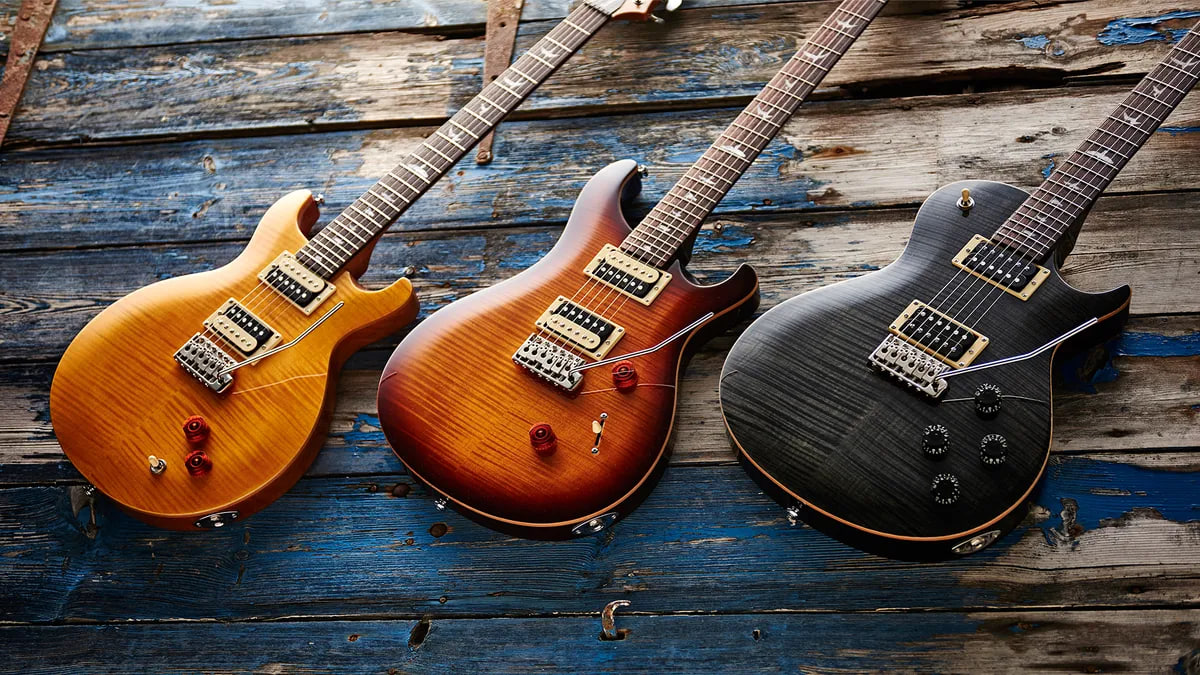
Today, the SE line includes semi-hollows, extended-range and piezo models and is widely considered the best in its price class. PRS is now the world’s third best-selling guitar brand.
“Don’t stop — it will take longer than you think”
If Paul could talk to his younger self, he’d say:
“Don’t stop. It will take longer than you think, but you’ll survive.”
One night, he dreamed a voice said:
“It’s ten times more complicated than you ever imagined.”
And it proved true — from designing pickups for John Mayer to perfecting neck stability and finishes that don’t kill tone.
Guitars are tools for the job
“When I watched Carlos Santana play the Oscars, all I wanted was for the guitars to stay in tune and do their job. You only get one shot. Break a string? You’re dead.”
How it all began
Paul describes two types of people: quiet talents and loud dreamers. He was the latter.
“I showed my guitars to everyone and they said, ‘No, no, no!’ But Carlos Santana said, ‘What do you have?’ He didn’t care what others thought.”
He learned that magic doesn’t guarantee success — only a 15-minute meeting.
Ted McCarty — the mentor
Ted McCarty, legendary Gibson president, became his mentor.
“He handed us the baton. He was like the grandfather I never had.”
The SE line — saved by teachers
SE models were nearly discontinued until guitar teachers across America made students buy them:
“They couldn’t teach kids on guitars that wouldn’t stay in tune. Teachers saved the line.”
“Not just for doctors and lawyers”
The myth never bothered him:
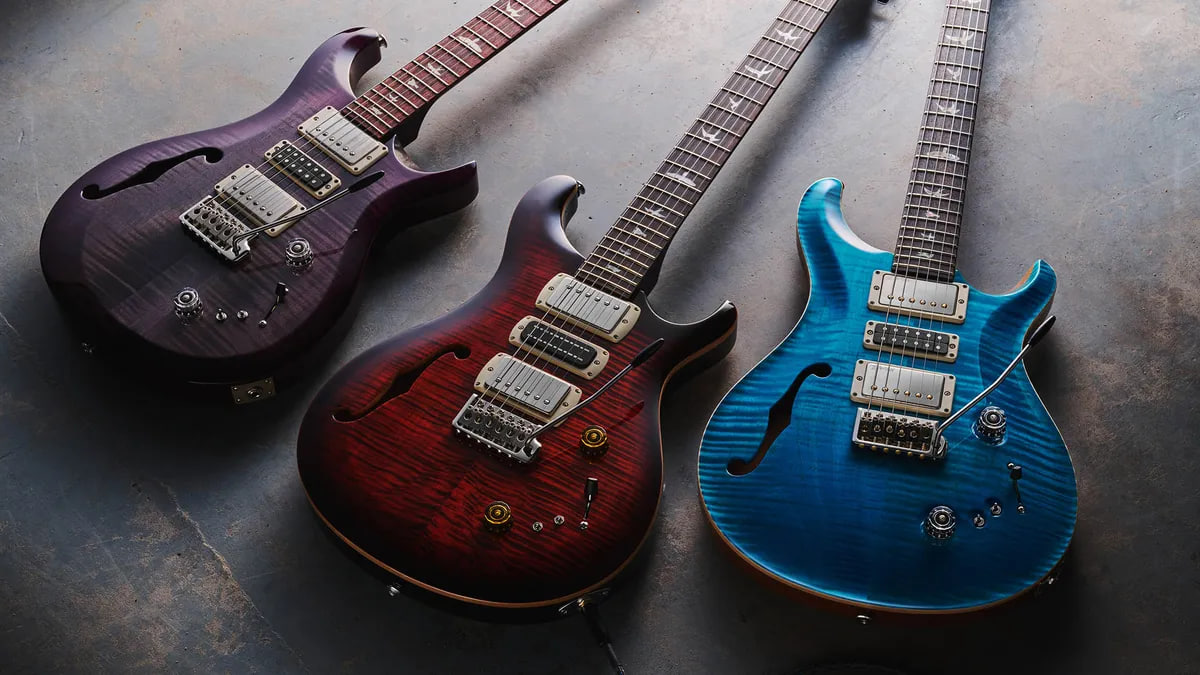
“Doctors and dentists bought early Private Stocks. But S2 and SE changed that.”
New TCI pickups offer a sound that doesn’t resemble Gibson, Fender.
The internet is wrong about tonewood
“According to the internet, only the microphone matters on a Stradivari. Same with guitars. I don’t buy it.”
Pickups are half the story — not all of it.
The greatest PRS sound ever
Santana’s “Smooth”. It was the sound of Tokyo.
The most impactful PRS guitar I’ve ever made.
Secret PRS players
-
Jimmy Page (Outrider tour)
-
Jeff Beck (home recording)
-
Joe Bonamassa (first McCarty)
-
David Gilmour — the dream collaboration
The future of PRS
Paul wants McCarty III and TCI embraced by players. He reminds us:
Les Paul vanished until Slash revived them.
Strat disappeared until Hendrix revived them.
PRS is building the future.
PRS Factory Tour with Ladkor (Part 1)
PRS Factory Tour with Ladkor (Part 2)
PRS Factory Tour with Ladkor (Part 3)

