

Lenny Kravitz on Recording, Rare Guitars, and the Vintage Tone That Changed His Life
Jan. 15, 2026, 9:15 a.m.
How Lenny Kravitz Found Legendary Guitars in Parking Lots and Built One of Rock’s Most Iconic Tones
“People used to show up in the parking lot asking the crew to tell me they had guitars to sell… One guy was about to go on trial and needed money for a lawyer. That’s how I got my goldtop Les Paul.” — Lenny Kravitz on recording albums and finding rare gear in the most unexpected places.
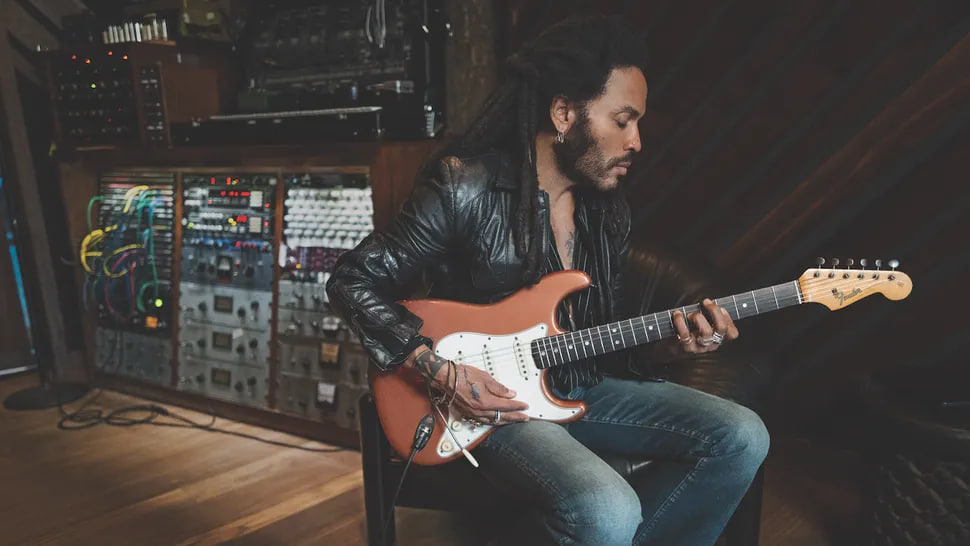
Since his very first release, Lenny Kravitz has become synonymous with massive riffs, flawless guitar tone, and a unique musical identity that blends rock, soul, funk, and R&B into one unmistakable sound. Now, as he unleashes his fiery new album, the legendary musician invites us deep into his creative world — and into one of the most impressive vintage guitar collections in modern music.
Ever since Let Love Rule arrived back in 1989, Kravitz has been carefully shaping his own musical universe. Fearless when it comes to mixing genres, he possesses an extraordinary sense of taste and a deep knowledge of classic music history. Yet rather than copying his heroes, he uses their legacy as fuel for his own artistic vision.
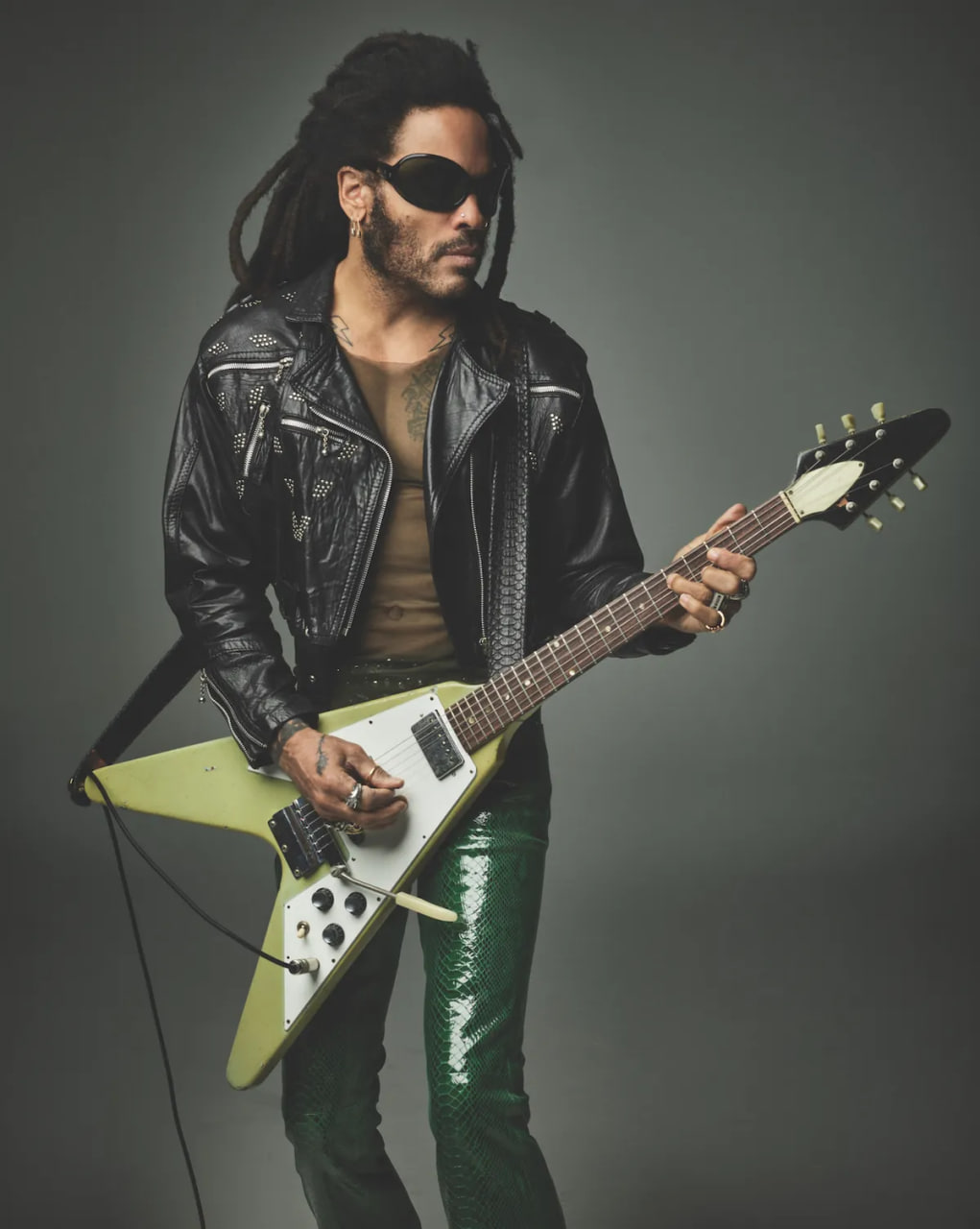
It’s no surprise that Kravitz is a true tone chaser. For decades, he has hunted down vintage gear in pursuit of the ultimate sound.
“I’ve been doing this from the very beginning. Even on my first record I was already obsessed with tone. I compared modern and vintage gear, and the vintage always won. It simply has more warmth, depth, and dimension.”
That same philosophy drives his latest album, Blue Electric Light — his first full-length release since 2018’s Raise Vibration. Once again, he joined forces with longtime bandmate and guitar partner Craig Ross.
“Craig is one of the most underrated guitarists out there. We’ve played together for over 30 years, and he can play absolutely anything. There are no limits to what he can do.”
Although the album was finished more than a year ago, Kravitz waited for the perfect moment to release it.
“We wanted the timing to be right with the tour and the promotion. There was no rush for me.”
In fact, he used that extra time to refine every detail.
“I mixed this album so many times you wouldn’t believe it. Now I can honestly say everything is exactly where it should be. It feels like a new beginning and a new wave of energy.”
🎸 Inside Lenny Kravitz’s Guitar Arsenal
His studio is filled with carefully selected gear:
-
vintage microphones
-
tube amplifiers
-
rare outboard equipment
-
legendary guitars and basses
“Everything in my studio has been tested under a microscope. Some gear sounds great on stage, but not everything holds up in a recording environment.”
His main studio amps include:
-
Tweed Fender Deluxe
-
Blackface Deluxe modified by Howard Dumble
-
Gibson Skylark
Kravitz prefers smaller combo amps for their purity and focus.
“I don’t really use pedals. Just EQ and sometimes an effect for solos. Rhythm guitars need to stay pure.”
🎵 His Go-To Recording Guitars
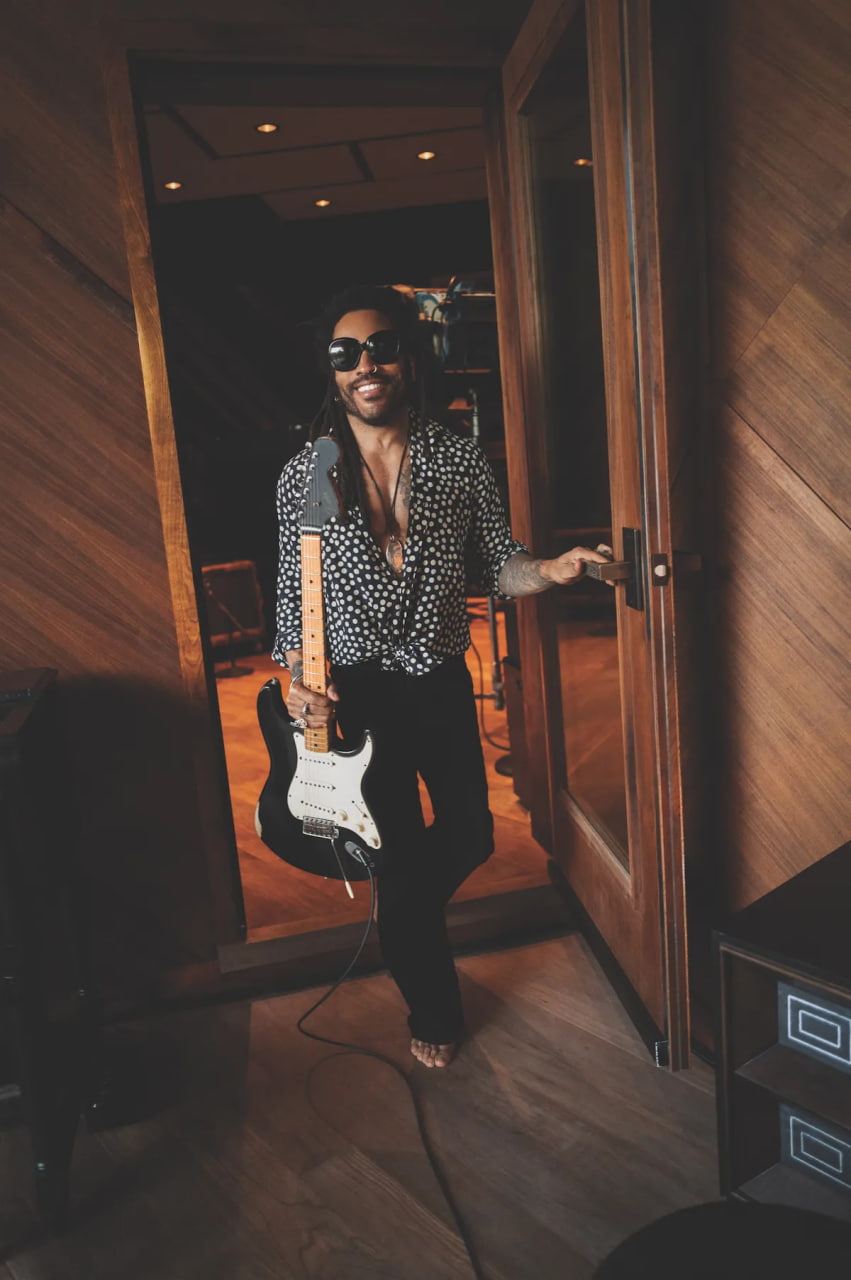
His number-one studio guitar is a converted 1953 Les Paul Goldtop with PAF pickups.
“It’s the purest-sounding guitar I own. I used it on Are You Gonna Go My Way and on every album since.”
Also featured on his records:
-
1959 Les Paul Standard
-
1959 Les Paul Custom
-
several Stratocaster models
-
Gibson J-200
-
Gibson Dove
-
Everly Brothers acoustics
🎼 Recording Philosophy
Most tracks are recorded live.
“Craig and I usually nail it in the first or second take. Then I add bass, keyboards, and vocals.”
For Kravitz, vintage gear is only half the story.
“The real secret is knowing how to use it. Every link in the chain matters — from the mic to the preamp to the compressor.”
🎶 Style & Inspiration
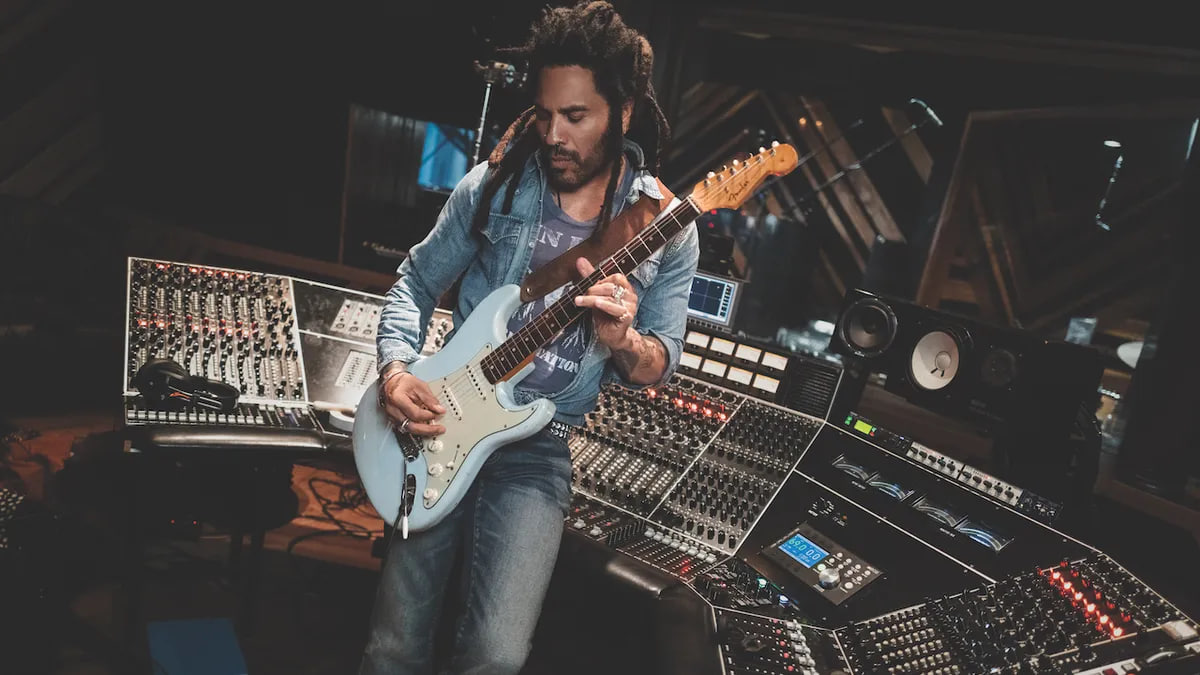
To him, the guitar is a painting tool.
“I paint with the guitar. You need to master every style — funk, rock, reggae, country, jazz — so you can express yourself freely.”
🎤 Early Influences
Growing up, Kravitz listened to:
-
Motown
-
Jimi Hendrix
-
Jimmy Page
-
The Beatles
-
Kenny Burrell
-
George Benson
-
Wes Montgomery
-
Kiss
-
Earth, Wind & Fire
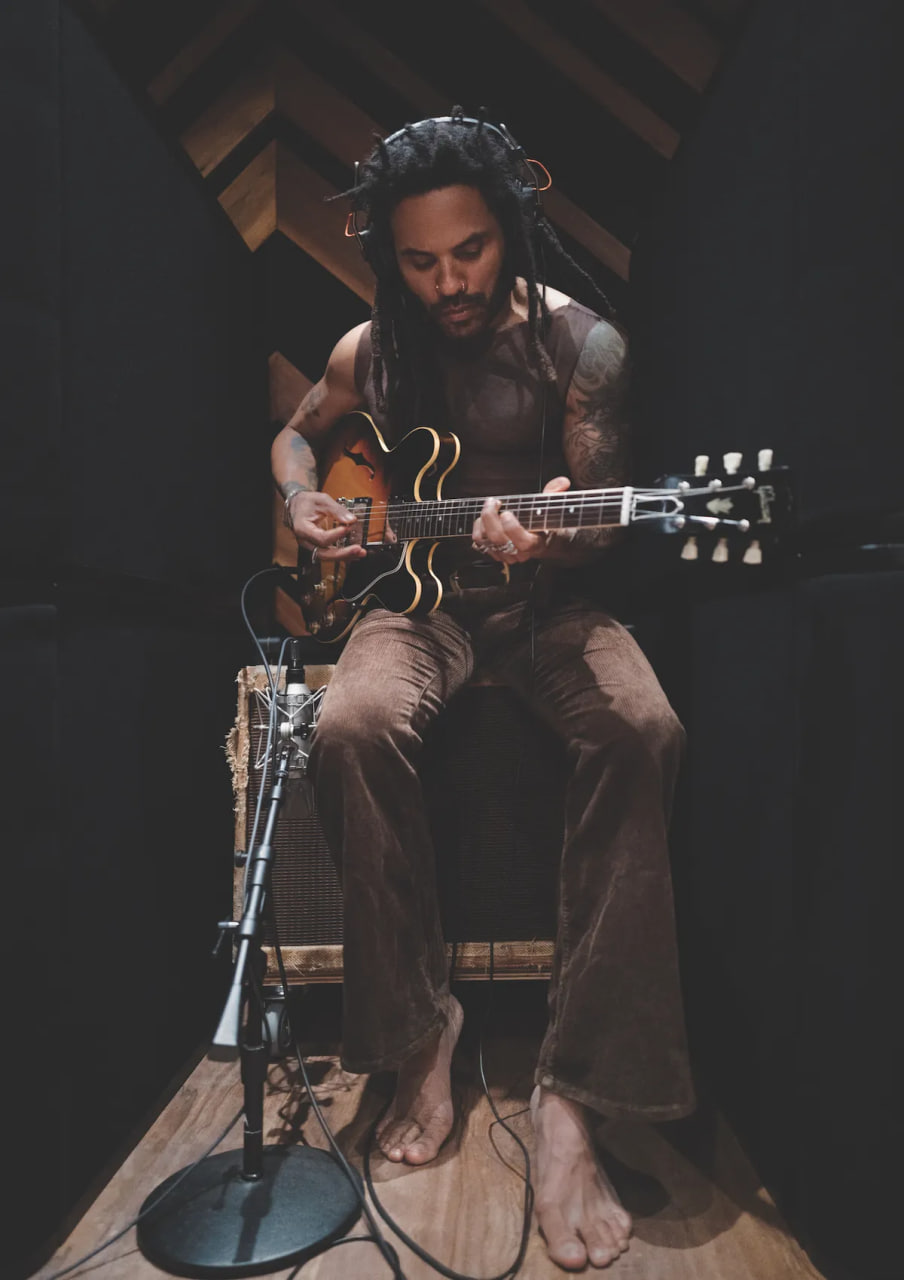
🎸 His First Guitar
His first guitar was a Yamaha acoustic with a pickup.
“I dreamed about a Stratocaster from the Fender catalog, but my dad thought it would be too loud.”
Later came a Fender Jazzmaster, followed by his first Les Paul Deluxe.
💰 First Big Purchases
After signing his first record deal, he bought:
-
Epiphone Sorrento
-
Telecaster
-
Fender bass
During his early tours, he began collecting vintage instruments.
“People would find me in parking lots and offer guitars for sale. One guy was selling his collection to pay for a lawyer. That’s how I got my goldtop Les Paul.”
His next album will be stripped-down and raw.
“Just guitar, bass, and drums. Pure rock and roll.”
⭐ Lenny Kravitz’s 6 Most Prized Vintage Guitars
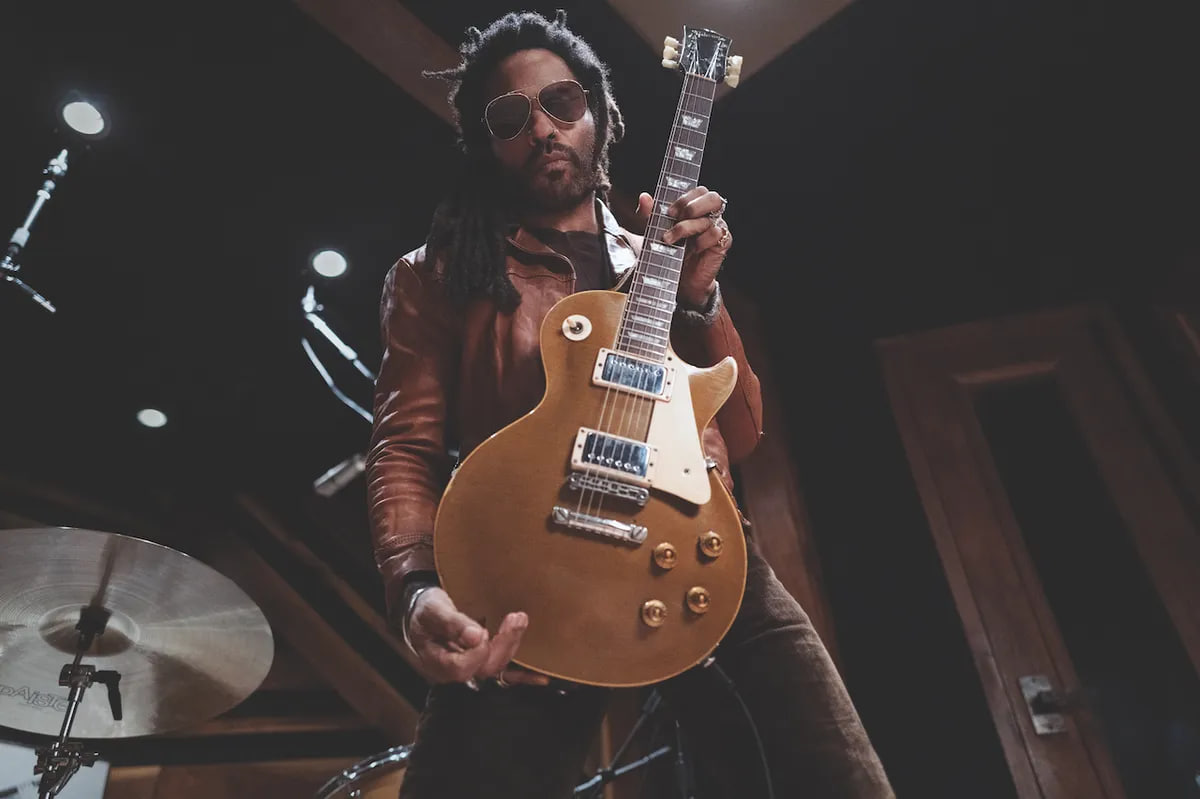
1. Gibson Les Paul Goldtop Conversion (1953)
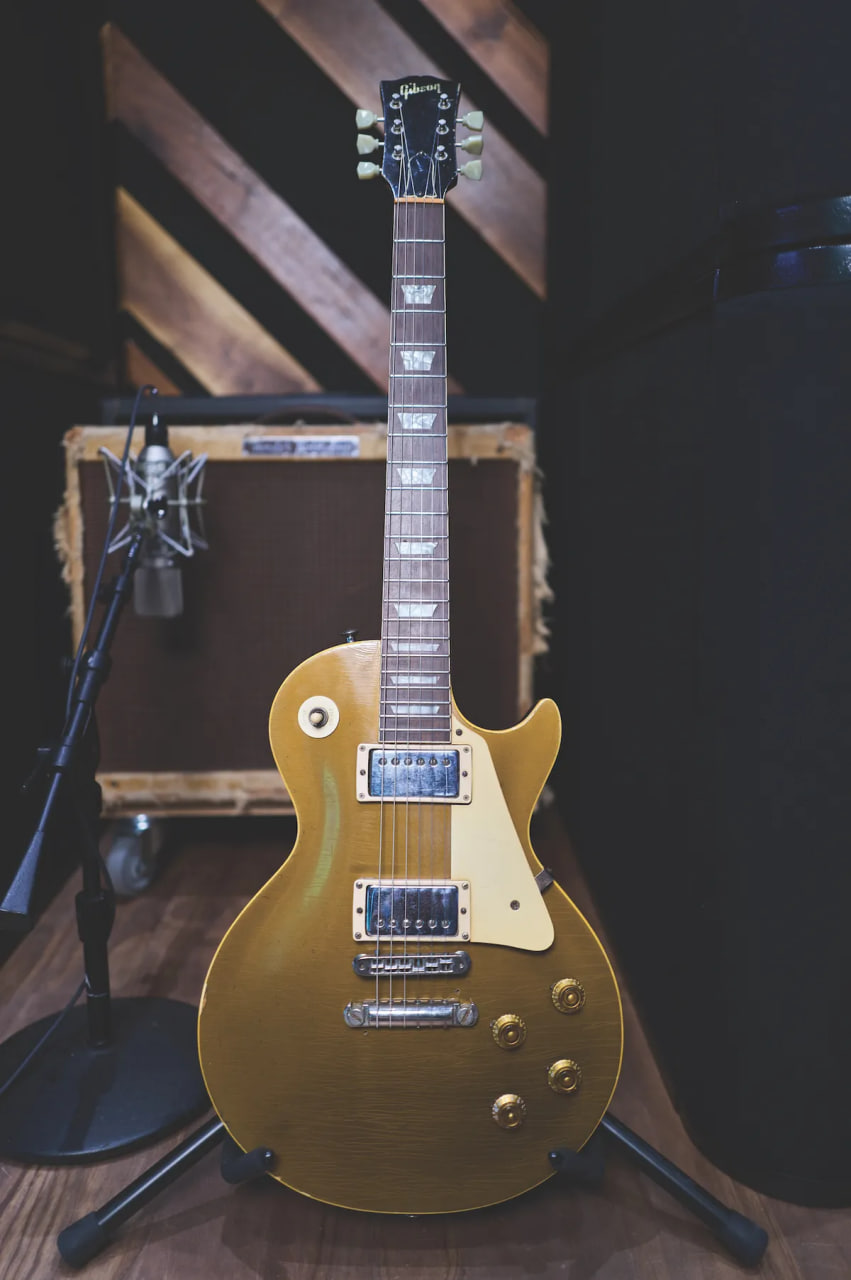
Lenny Kravitz’s number one guitar is a converted 1953 Les Paul Goldtop, which he purchased around 1992 while touring with Tom Petty and the Heartbreakers.
“I got word that there was a guy in the parking lot selling guitars,” Kravitz recalls. “Unfortunately, he was facing serious legal trouble and needed money for a lawyer. I went out to his car and ended up buying about five guitars that day, including this one.
From that moment on, it became my main studio Les Paul. It has that classic Les Paul bite, and the distortion is incredibly smooth and balanced across the entire frequency range — highs, mids, and lows. It leans slightly toward the cleaner side, the pickups aren’t overly hot, but they’re absolutely perfect. This guitar has been on every album I’ve made since I bought it, starting with Are You Gonna Go My Way.”
2. Gibson Les Paul Custom (1959)
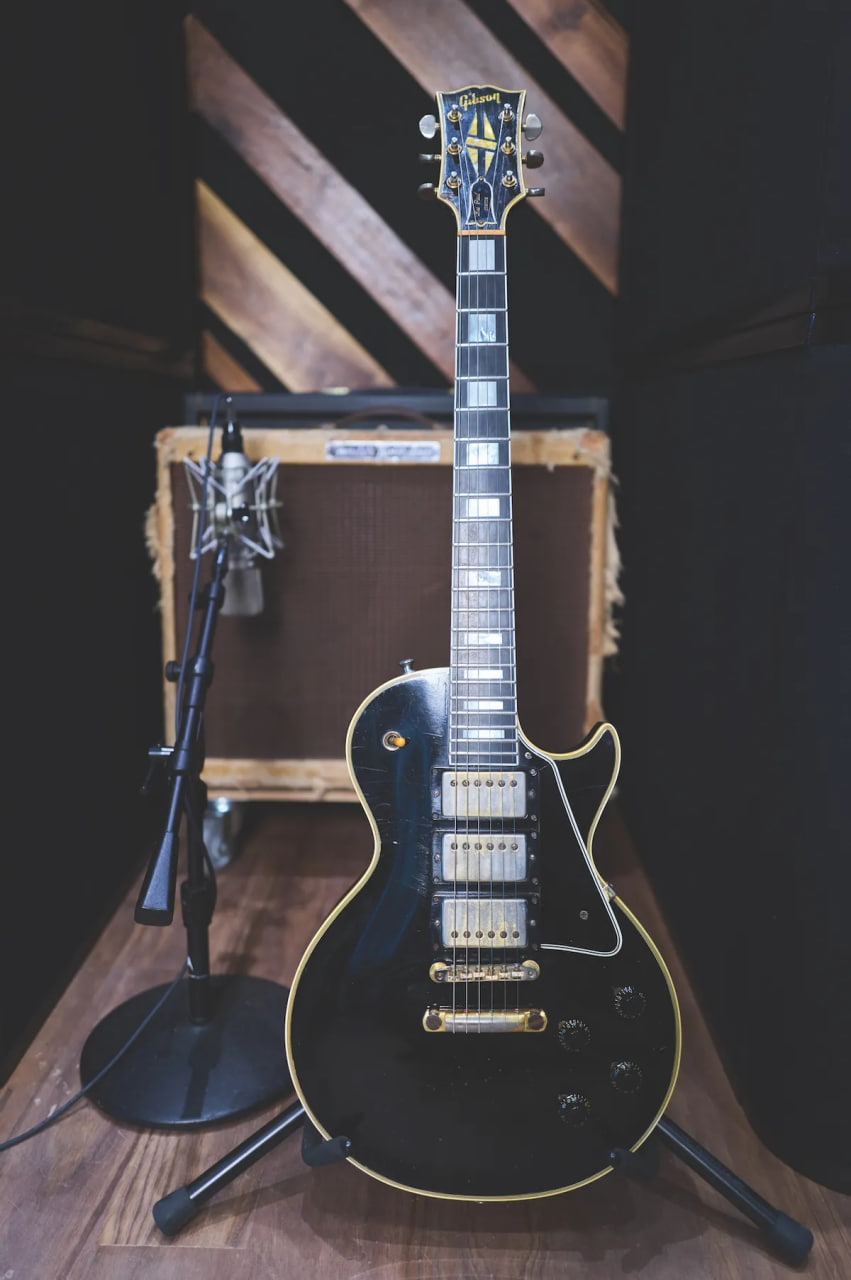
“I bought this one around the time of Are You Gonna Go My Way, or maybe Circus. It’s an absolutely fantastic guitar.”
With so many great examples to choose from, how does Kravitz decide which Les Paul to use on a track?
“Before I even start recording, I already have a clear idea of the character and tone I’m looking for.
I’ve used this guitar on countless recordings over the years, including on the latest album. I can’t remember every single song, but I know it’s appeared on pretty much all of my records since I got it, whether for rhythm, lead, or both.”
3. Gibson Les Paul Standard “Plain-Top” (1959)
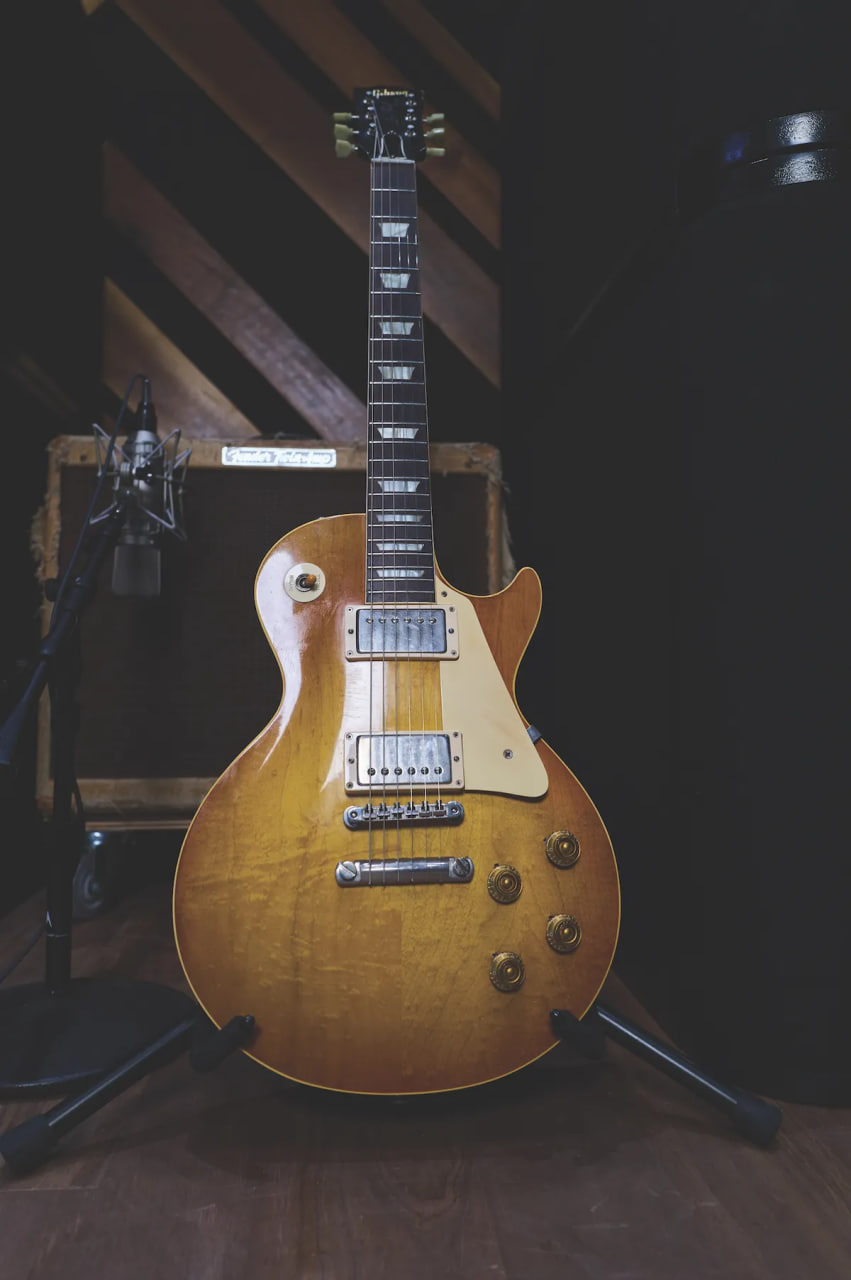
“I like flame tops, but I really love plain-tops,” Kravitz says. “There’s something special about them when the wood grain is right. I just think they’re incredibly beautiful.”
He bought this guitar a few years ago, possibly during his last tour.
“One of my friends, who’s a guitar dealer, was at a convention in Texas and knew I was looking for the perfect 1959 — all original, never refretted, and looking like it was made yesterday. I was at soundcheck when he sent my guitar tech a photo of this guitar, and I instantly fell in love with it.
I had to make a decision on the spot. I asked a million questions: how it played, what the neck felt like, how much it weighed… In the end, he convinced me, and I bought it. It has a beautiful tone, so it turned out to be a great purchase.
This new album is the first one I’ve used it on. It appears on Love Is My Religion. I played both the rhythm and the lead solo on it — a harmony solo between Craig and myself.”
4. Gibson ES-335 Bourbon Burst (1961)
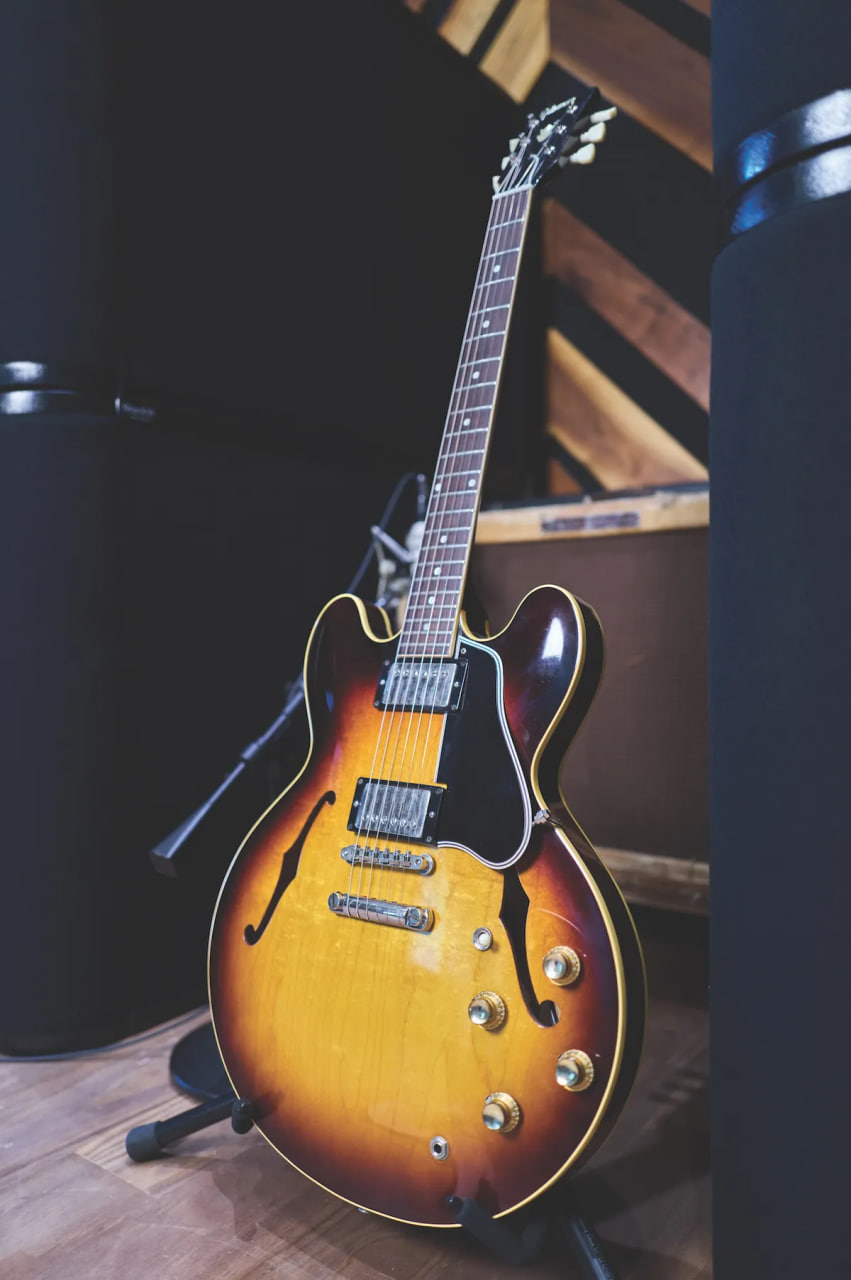
Kravitz was inspired to buy this ES-335 because of his admiration for guitarist Al McKay, who played a 1972 model.
“I’m a huge Earth, Wind & Fire fan,” Kravitz explains. “Al McKay is one of my favorite guitar players because his rhythm playing is just incredible. I learned so much about rhythm guitar from listening to him.
I didn’t have a 335 at the time — I’d owned one before, but I wanted a really clean example. I bought this one in Nashville during our last tour. There were two available: one that was worn and beautiful, and this one, which was incredibly clean.
I played both of them for about two hours, going back and forth trying to decide which one to buy. In the end, there was something about the tone of this one — it was just so even and balanced. I use it on Blue Electric Light and Spirit in My Heart.”
5. Gibson J-250 Brazilian (1967)
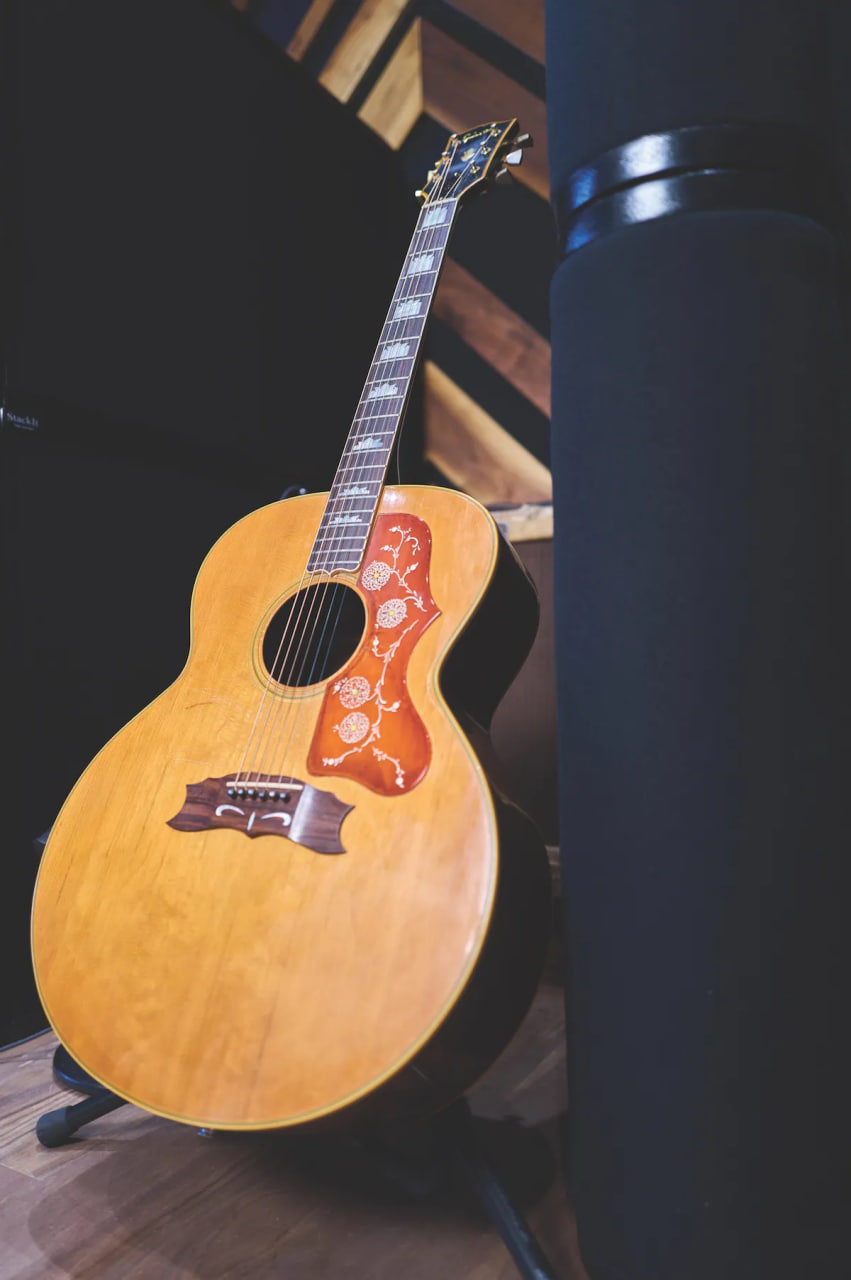
“My acoustic collection includes this Gibson, two Gibson Everly Brothers guitars that I’ve been using for years, and a Martin,” Kravitz says. “That’s my studio acoustic arsenal.
I’ve had this guitar for so long that I can’t even remember where I bought it. It has a beautiful, wide sound, and it’s been featured on several of my albums.”
6. Gibson Les Paul Standard Walnut (1968)
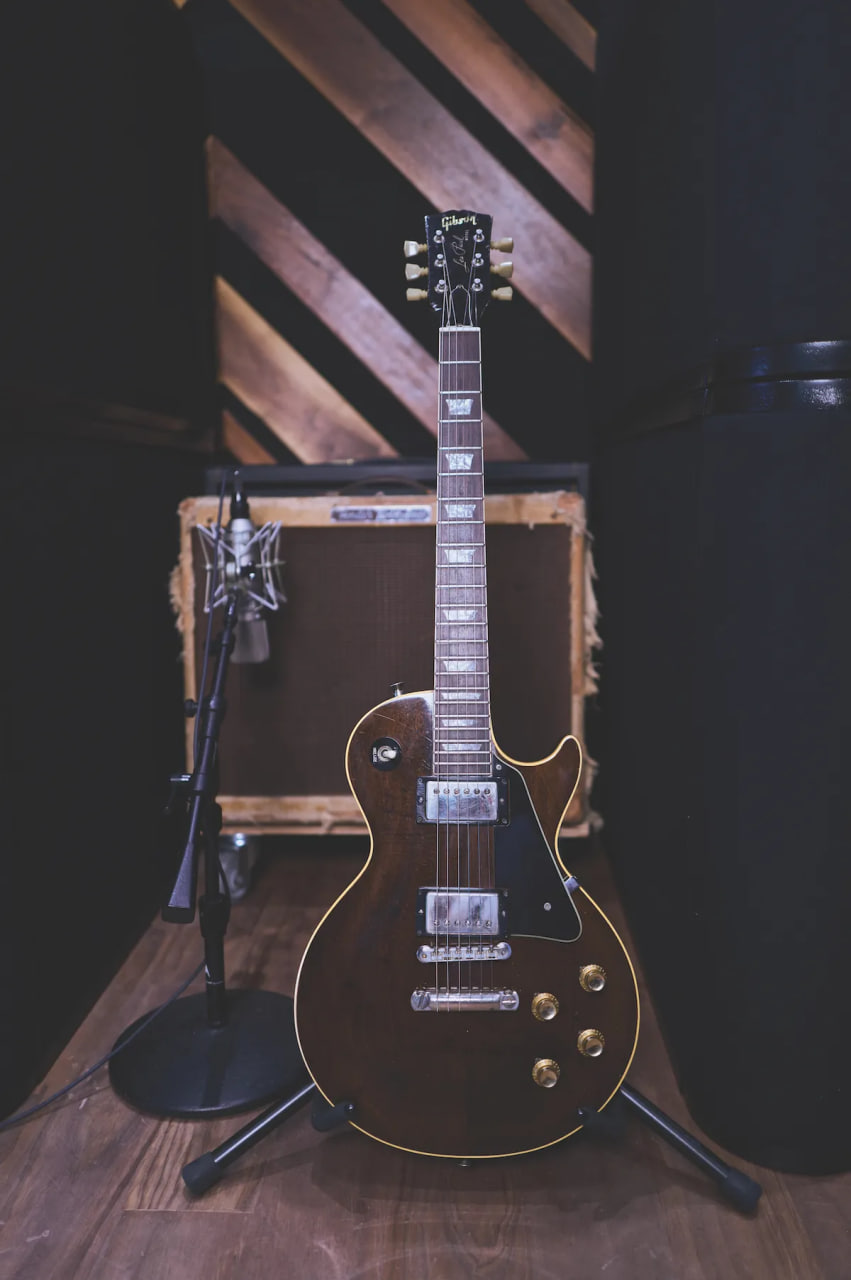
This stunning guitar was commissioned by Manny’s Music and built by Gibson using original 1959 parts.
“I got it from my old friend Rudy Pensa from Rudy’s Music SoHo,” Lenny says. “I’ve known him since I was a kid growing up in New York City.
Back when I was walking the streets trying to figure out what I wanted to do with my life, I used to go into Rudy’s shop on 48th Street and he would let me play the guitars.
Of course, I didn’t have any money back then, so I’ve known Rudy for a very long time.”
So far, this guitar hasn’t appeared on any recordings, but Kravitz believes its time will come.
“I just love the way it looks, and it’s probably the cleanest-sounding Les Paul I own. It’s hanging on the wall, waiting for me.”
This is not just a story about guitars.
This is a story about sound, soul, and timeless rock ‘n’ roll.

