

🎸 The Story of Jimmy Page’s Les Pauls: Four Guitars That Shaped Led Zeppelin
April 4, 2026, 9:15 a.m.
Few images in rock history are as iconic as Jimmy Page playing a Gibson Les Paul during the golden era of Led Zeppelin. But behind that legendary image lies a collection of instruments that helped define the sound of an entire generation.
Let’s explore the four Les Paul guitars that played a crucial role in shaping rock history.
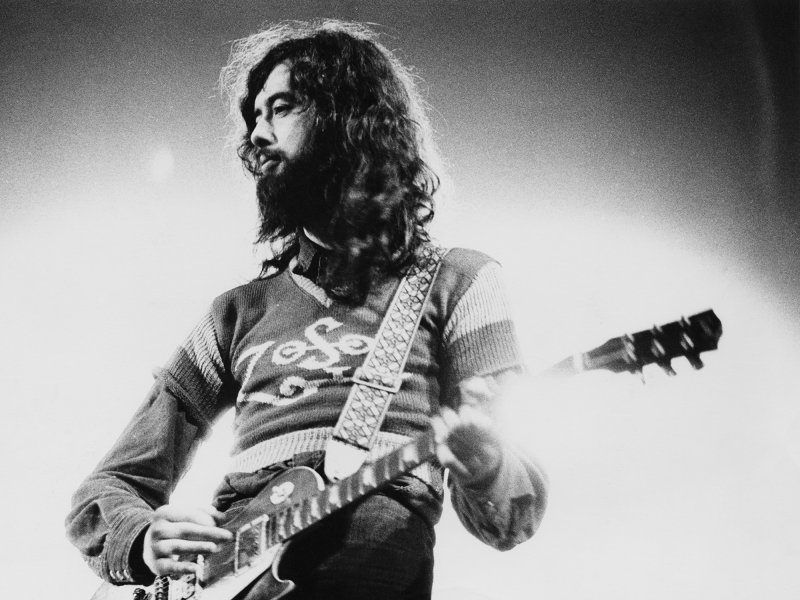
🔴 “Number One” — the guitar that started it all
In early 1969, Jimmy Page acquired his famous “Number One” Les Paul from Joe Walsh. It was immediately used in May to record Led Zeppelin II and quickly became his primary instrument.
Originally a 1959 Les Paul Standard Sunburst, it is now considered one of the most valuable vintage guitars ever made. With fewer than 2,000 units produced, these guitars became legendary thanks to players like Eric Clapton, Billy Gibbons, and Keith Richards.
Page paid around $500 plus travel expenses, totaling roughly $1,200 — a fraction of its current value.
Modifications included:
- Neck reshaped and refinished by Virgil Lay
- Installation of Grover tuners
- Push/pull pot for pickup polarity switching (similar to Peter Green mod)
Pickup changes:
- Originally PAF humbuckers by Seth Lover
- 1972: bridge replaced with T-Top
- 1990s: upgraded to Seymour Duncan
- Neck pickup replaced in 2000s with a 1960 PAF
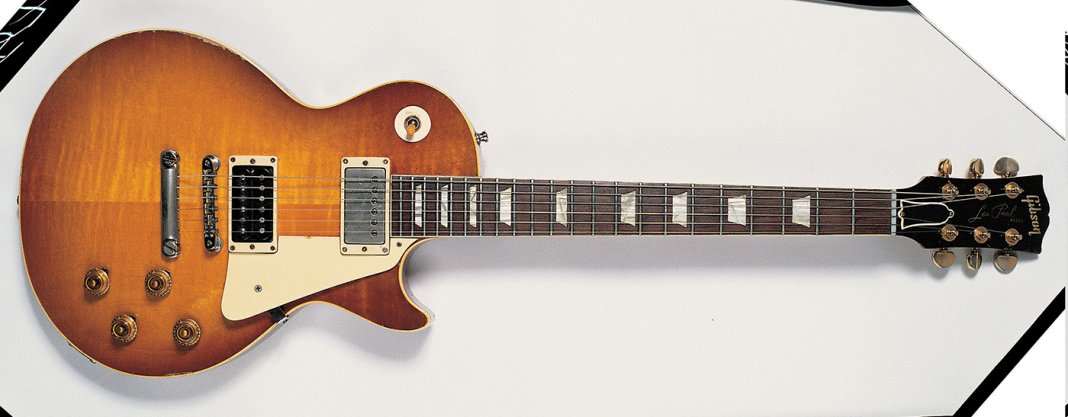
🔵 “Number Two” — the trusted backup
Another 1959 Les Paul Standard served as a backup to “Number One”. Nearly identical in specs, it also featured a shaved neck profile.
This guitar was often tuned to DADGAD, especially after Physical Graffiti. In 1980, it received wiring mods for series/parallel pickup switching.
It remains unclear whether this or “Number One” got the modification first.
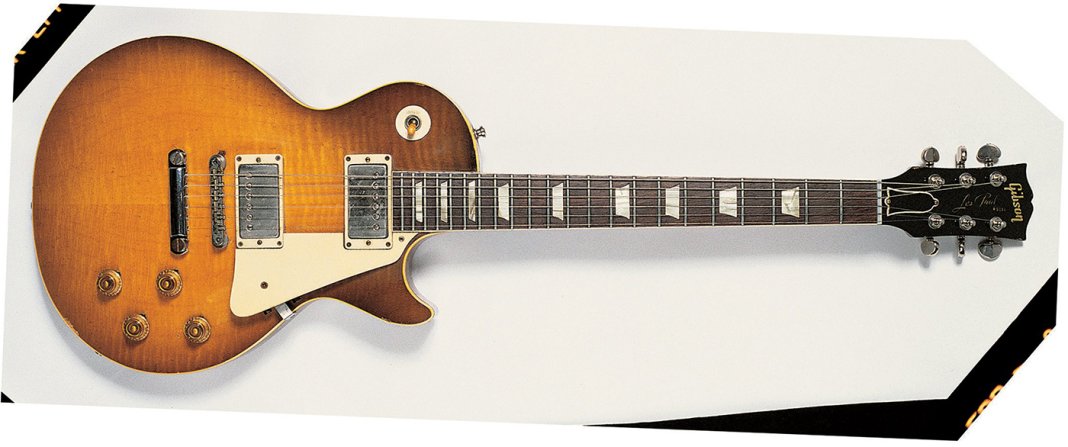
🟡 “Number Three” — the experimental workhorse
“Number Three” began as a late-1969 Goldtop, later repainted red. Unlike typical models with mini-humbuckers or P-90s, it was fitted with full-size humbuckers.
Acquired around 1970 after the theft of the Black Beauty, it was used live before becoming a platform for experimentation.
Key features:
- “Pancake” body construction (mahogany and maple layers)
- B-Bender system installed in the mid-80s by Gene Parsons
This mechanism allowed bending a single string to emulate pedal steel sounds. While innovative, Page believed it affected tone negatively.
Still, he used the guitar as recently as 2007.
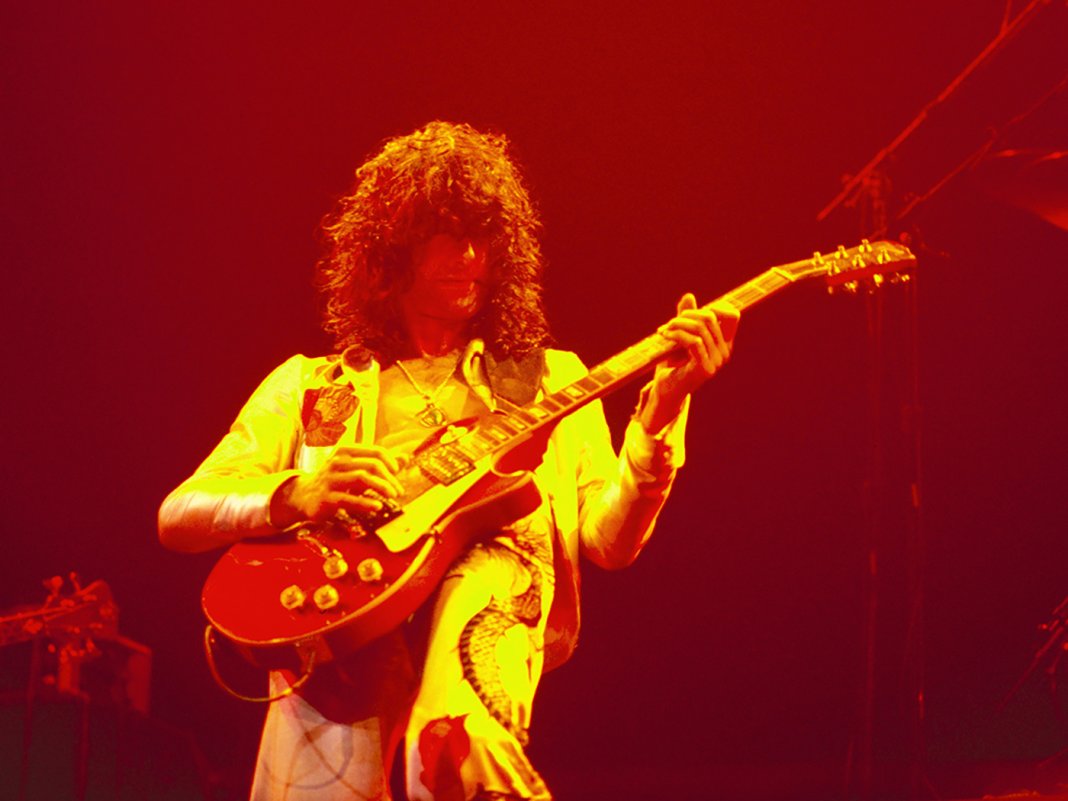
⚫ “Black Beauty” — lost and found
The 1960 Les Paul Custom “Black Beauty” was purchased by Jimmy Page at age 18. Featuring three humbuckers, it was widely used in early recordings.
In 1970, it was stolen at Minneapolis airport during a tour. Remarkably, it was returned to Page nearly 45 years later, in 2014.
⚡ A legacy that shaped rock forever
These four guitars didn’t just define a band — they helped shape the sound of rock music itself. Thanks to Jimmy Page, the Gibson Les Paul became the ultimate symbol of hard rock power and expression.
Their story continues to inspire musicians across generations, proving that the right instrument in the right hands can truly change the world.

