"I'll take all the money they give, and I won't feel ashamed!" Flea slammed the hypocritical rock business and stood up for honest earnings!
The famous bass player of the iconic American band Red Hot Chili Peppers, Flea, has never been known for his modesty in his statements. When his band rapidly soared to the top of the world Olympus in the early 90s, the musician spoke openly and harshly about the commercialization of rock, the music business, and the fine line between artistic integrity and a banal thirst for fame.
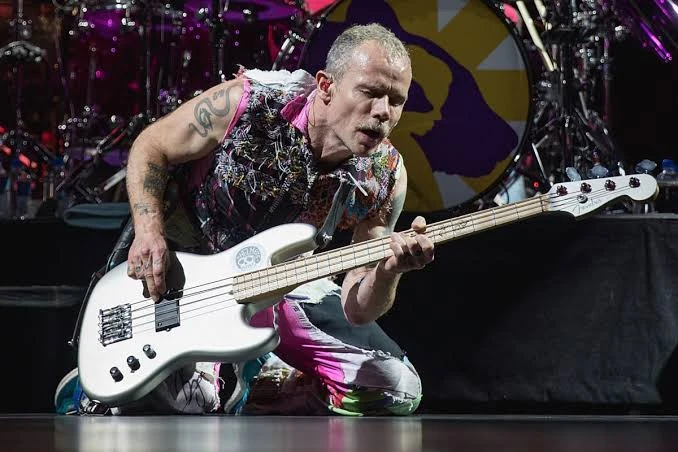
"Should we refuse?" — Flea on money and success
For Flea there has never been a contradiction between creating great music and receiving impressive fees for it — and he certainly saw no reason to apologize for his financial success.
In an interview with Bass Player magazine back in January 1992 Flea stated: "We are constantly criticized for making money. Recently, in an interview, I was talking about how important music is to me and that art is the only thing that matters. The journalist immediately asked: 'Well, what about all that huge money you're getting?'. My answer to such people is simple: So what? Do you want us to refuse it? That's absurd! I will take all the money I can get, and I won't feel the slightest bit of guilt for it."
The musician is firmly convinced: there is nothing shameful about success. Truly believing in music as the highest form of art, he found no reason why this should require sacrificing financial reward.
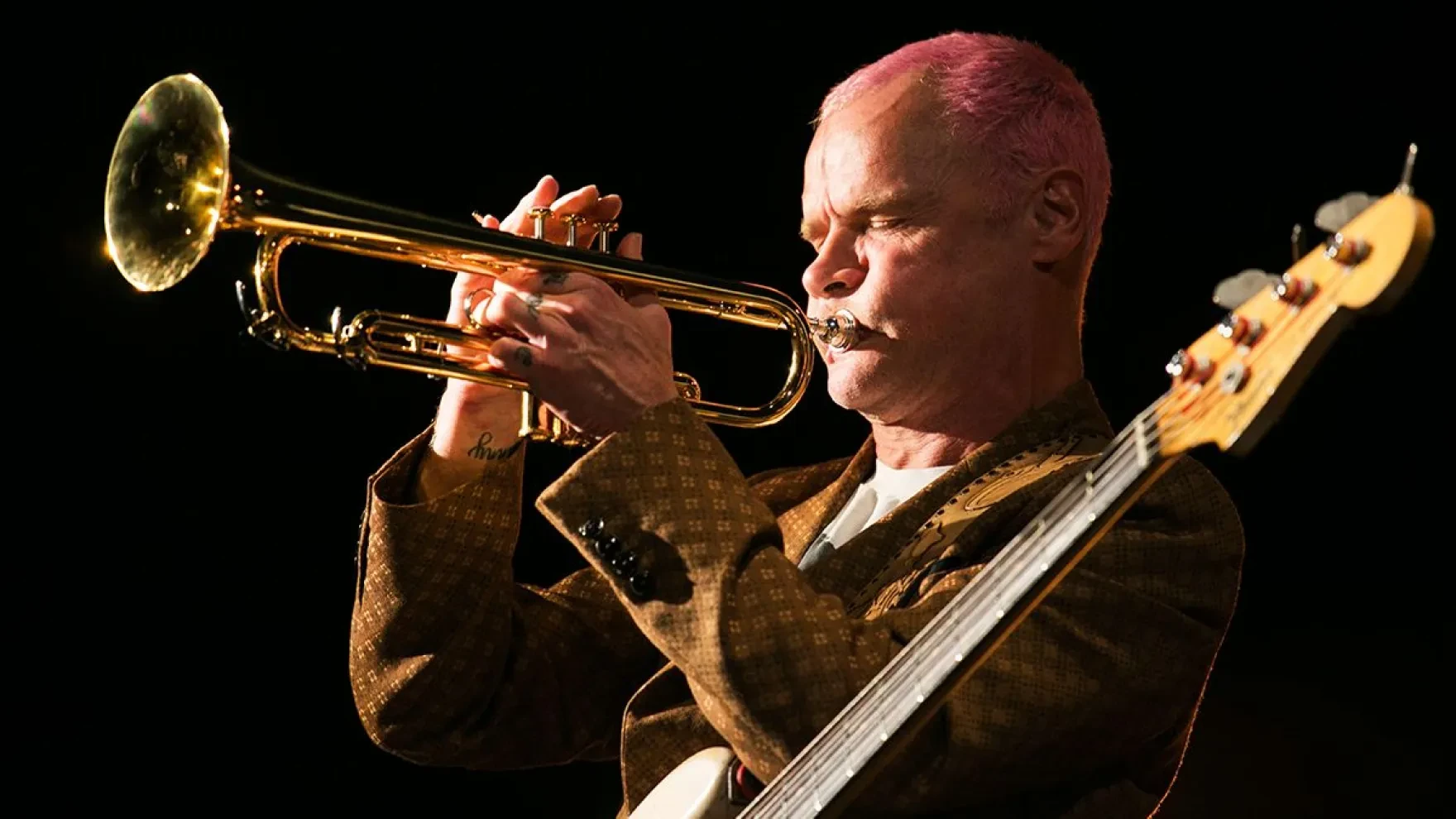
Rotten business, faceless metal, and true heroes of the scene
Flea described the underside of the recording industry without censorship: "The music business is no different from any other: things are bought and sold here. People who genuinely care about music are extremely rare. Obviously, independent labels are more willing to take risks — they bet on creativity, not on momentary profit. But the industry is full of slippery dealers who only think about their expense accounts and promote absolutely mediocre bands that fit perfectly into the latest pop trend. It's just disgusting."
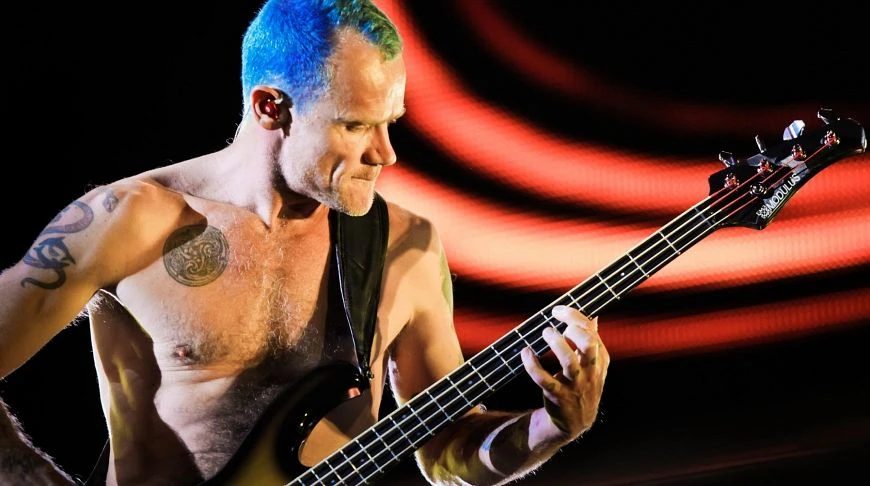
As the popularity of Red Hot Chili Peppers grew, the bassist became increasingly annoyed by the mainstream rock scene, which was oriented toward a pretty picture rather than raw emotions.
"I don't want to name names, but all these metal bands of seven or eight guys with long, straight, blonde hair sound exactly the same! It's the most soulless and formulaic material in the world. Why are they even doing this? Do they even know how to play instruments, or are they just poster boys for bad music? One thing is for sure: you aren't paid for being a musician — you're paid for being a rock star."
However, the bassist also highlighted those he genuinely admires: Fugazi, Jane’s Addiction, Butthole Surfers, Nirvana, Public Enemy and Ice Cube.
The cult of Ian MacKaye and the comparison to Les Claypool
A special place in Flea's heart has always been held by the frontman of the legendary Fugazi Ian MacKaye (Ian MacKaye): "You have to have huge respect for a band with such high uncompromising standards and principles. They do everything possible to make their concerts and records as accessible and cheap as possible for the fans. We want to earn money and live in comfort, while they are righteous and compassionate to the core."
The frontman of Fugazi impressed the bassist so much that he made a literary analogy: "I was reading a book by Tom Robbins (Tom Robbins) "Jitterbug Perfume" (Jitterbug Perfume), where there was a character with a swarm of bees in his head. When he was killed by a policeman, the bees terrorized the entire police force for weeks. I thought: if anything happens to Ian MacKaye from Fugazi, all of nature should rise up against the evil forces that stood against him!".
Also, Flea commented on the constant comparisons to another legendary bassist — Les Claypool (Les Claypool) from the band Primus: "Some compare us, but I think it's ridiculous. Les Claypool plays solo bass — for him, the bass guitar is the central lead instrument, and the rest of the band adjusts to him. In the Chili Peppers my parts are very important, but it's not solo bass. Even in the densest passages, my task is to hold the foundation and be part of the rhythm section. What he does Les, fundamentally different, but it is brilliant in its own way".