

Paul Stanley: “Bands Should Perform Their Hits the Way Fans Fell in Love With Them”
June 26, 2026, 9 a.m.
For every musician eager to dust off an obscure deep cut from the archives, there is a fan who simply wants to hear the song that changed their life.
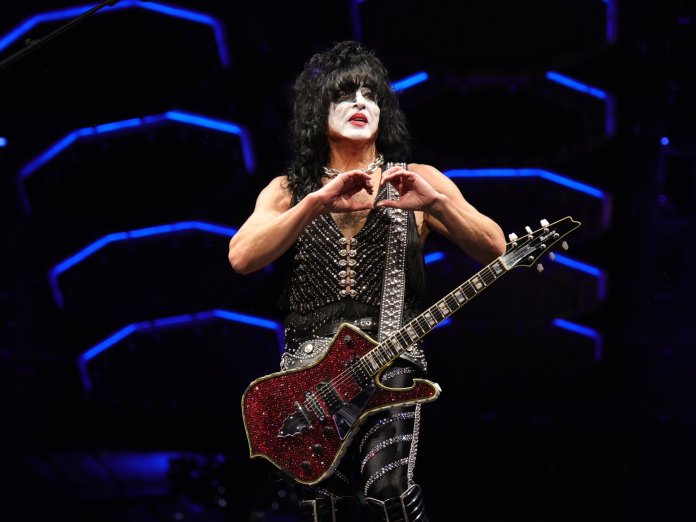
KISS frontman and guitarist Paul Stanley believes artists should never treat their most famous songs as a burden, nor should they radically reinvent them on stage. In his view, live performances should focus on delivering what audiences came to hear rather than satisfying a performer’s desire to escape boredom.
In a recent interview with Vulture, the legendary KISS vocalist shared his thoughts on the role that classic hits should play in a band’s live set. He firmly rejected the idea that performing well-known songs could ever become a chore.
When asked to name a track that his guitar has a “love-hate relationship” with, Paul Stanley responded:
“This may sound corny, but I’ve never considered playing any of those songs a chore. They helped make me who I am today, and I genuinely love every one of them.”
His comments add fuel to a debate that has existed in the music world for decades: what exactly should fans expect when they buy a ticket to a concert?
Some artists view live performances as an opportunity to reinterpret older material, present fresh arrangements, or shine a spotlight on lesser-known songs from their catalog. Others believe audiences primarily attend concerts to hear the tracks that defined a band’s legacy.

For Stanley, moving too far away from the original versions can diminish the experience for the audience.
Reflecting on his experiences as a concertgoer, he explained:
“When I went to see a band and they seemed bored enough with their own music to transform a heavy rock song into a reggae tune, I was incredibly disappointed and felt shortchanged. I paid to hear the song I loved in the way I loved it.”
According to the guitarist, an artist’s personal boredom should never outweigh the expectations of paying fans, especially when it comes to the songs that built the foundation of their career.
Expanding on his viewpoint, Paul Stanley stated:
“The idea of walking onstage in front of a sold-out crowd and showing disrespect simply to satisfy some personal need or relieve boredom is unimaginable to me.”
He continued:
“Play the song the way people know it. Play it the way it became famous. Show it the same respect you had when you first wrote it.”
Stanley believes that most radical changes happen for one reason alone: the performer has grown tired of playing the material.
“You’re only changing it because you’re bored with it, and as far as I’m concerned, that doesn’t matter. The best comparison I can make is that if you win the lottery, you shouldn’t complain about paying taxes.”
Not everyone in the rock world shares that perspective, however.
Metallica frontman James Hetfield has previously spoken about the value of challenging audiences by introducing deeper cuts and less familiar songs into the band’s live repertoire.
A similar opinion has been expressed by Avenged Sevenfold vocalist M. Shadows, who argues that relying too heavily on greatest hits can leave artists feeling creatively trapped.
He once explained:
“There are bands like Metallica and Iron Maiden that continue to introduce new material and constantly reinvent themselves. Some fans get frustrated by that, but it helps keep the musicians engaged and interested in what they’re doing.”
On the other hand, Mötley Crüe bassist Nikki Sixx has publicly supported a more hit-oriented approach to concert setlists.
Speaking with Utah radio station 103.5 The Arrow, he said:
“I really hate it when a band goes out and doesn’t play its biggest songs.”
As an example, he recalled attending a performance by David Bowie:
“I remember David Bowie doing that once, and I thought, ‘He’s one of my favorite artists. I don’t want to sit through a bunch of lesser-known tracks from albums I already know. I want to hear songs like Rebel Rebel.’”
The discussion surrounding live performances, fan expectations, and artistic freedom continues to divide musicians and audiences alike. Yet Paul Stanley’s position remains unmistakably clear: if a song helped make a band famous, it deserves to be performed in the way fans originally fell in love with it.

